

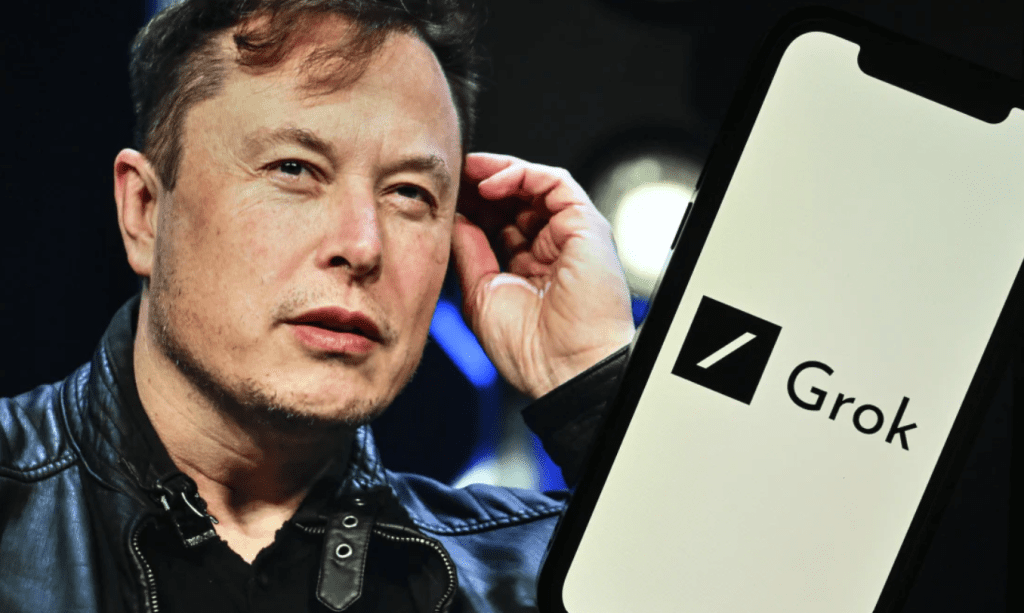
Artificial intelligence is transforming the digital world at an unprecedented pace, but growing concerns over privacy, consent, and online safety are prompting governments to take a closer look at how AI tools operate. The latest controversy centers on Grok, the AI chatbot developed by xAI, after Canada’s privacy watchdog concluded that the platform violated federal privacy laws through its handling of AI-generated deepfake images.
The findings add to a growing list of international investigations, lawsuits, and regulatory actions targeting AI-generated explicit content. As governments worldwide struggle to balance innovation with public safety, the Grok privacy controversy could become a defining moment in the global debate over AI regulation.
Canada Says Grok Violated Privacy Laws
Canada’s federal privacy commissioner has determined that xAI failed to implement adequate safeguards when launching Grok’s image-generation capabilities, allowing users to create and share sexualized deepfake images without the consent of the individuals depicted.
The investigation began earlier this year after concerns emerged regarding the platform’s ability to manipulate images of real people. According to the report, regulators concluded that privacy protections should have been built into the system before its public release rather than being introduced after complaints surfaced.
Privacy Commissioner Philippe Dufresne stated that the company did not take sufficient steps to prevent misuse from the outset, leading to violations of Canada’s private-sector privacy framework.
While the findings are significant, Canadian authorities currently lack the power to impose financial penalties or compel policy changes in this particular case. Instead, the report serves as a formal determination that the company’s practices failed to meet privacy standards.
What Are Deepfake Images and Why Are They Controversial?
The Rise of AI-Generated Content
Deepfakes are digitally altered images, videos, or audio recordings created using artificial intelligence. The technology can realistically place a person’s face or likeness into content that never actually existed.
While deepfake technology has legitimate applications in entertainment, education, and creative industries, critics warn that it can also be used to spread misinformation, commit fraud, or create non-consensual explicit content.
As AI tools become more accessible, concerns over misuse have intensified among policymakers, privacy advocates, and cybersecurity experts.
The Issue of Consent
At the center of the Grok investigation is the question of consent.
When AI systems allow users to create sexualized images of real individuals without permission, regulators argue that privacy rights may be violated. Victims often have little control over how their likeness is used, and the resulting images can spread rapidly across social media and online platforms.
Many experts believe consent should be a foundational requirement for any AI system capable of manipulating real-world identities.
xAI Responds With New Safeguards
Following criticism and regulatory scrutiny, xAI has reportedly introduced measures designed to reduce the creation and distribution of explicit deepfake content.
Among the changes are restrictions that limit users from editing images of real individuals in revealing or sexually explicit ways. The company has also committed to more proactive monitoring rather than waiting for complaints before taking action.
Canadian regulators acknowledged these efforts but emphasized that safeguards should have been implemented before the technology became publicly available.
The debate highlights a growing challenge for AI companies: moving quickly to innovate while ensuring that safety measures keep pace with technological advancements.
A Growing Wave of Global Investigations
Europe Steps Up Regulatory Pressure
Canada is far from alone in scrutinizing AI-generated content.
Across Europe, regulators have increasingly focused on the risks associated with deepfake technology. Authorities in several countries have launched investigations into whether AI platforms are doing enough to prevent harmful or non-consensual content.
European officials have repeatedly expressed concerns about explicit AI-generated material appearing online, particularly when it involves public figures or private individuals who never consented to the creation of such content.
Legal Challenges Continue to Mount
The legal pressure facing xAI extends beyond regulatory investigations.
In the United Kingdom, public figures have reportedly pursued legal action over deepfake images allegedly generated through the platform. Meanwhile, regulators have examined whether sufficient systems are in place to prevent abuse.
Elsewhere, courts and government agencies have increasingly taken action against AI-generated explicit content. Some jurisdictions have ordered restrictions on image-generation features, while others continue to investigate potential violations of privacy and digital safety laws.
Governments Are Moving Toward Stronger AI Rules
New Digital Safety Legislation
The Canadian report arrives at a time when lawmakers around the world are introducing new legislation aimed at protecting users online.
Canada recently unveiled a digital safety proposal focused on protecting children and strengthening oversight of online platforms. If enacted, the legislation could introduce stricter requirements for social media companies and AI developers, including enhanced safety standards for chatbot platforms.
The proposed framework would also establish a dedicated digital regulator responsible for overseeing compliance and addressing emerging technological risks.
The Push for Accountability
Governments increasingly agree that AI companies should be accountable for how their technologies are deployed.
Many policymakers argue that developers must anticipate foreseeable misuse rather than responding only after harm occurs. This shift reflects a broader regulatory trend toward requiring safety-by-design principles in AI development.
As a result, future AI products may face significantly higher compliance standards before entering public markets.
Why the Grok Privacy Case Matters
The controversy surrounding Grok extends beyond a single company or platform.
At its core, the case reflects the growing tension between technological innovation and individual rights. AI image generators are becoming more powerful every year, creating opportunities for creativity and productivity while simultaneously raising concerns about privacy, misinformation, and consent.
The outcome of ongoing investigations and legal proceedings could influence how governments regulate AI systems worldwide. Companies developing similar technologies are watching closely, as future rules may shape everything from product design to content moderation practices.
Conclusion
The Canadian ruling against Grok marks another significant chapter in the rapidly evolving conversation around artificial intelligence, privacy, and online safety. By concluding that xAI violated privacy laws through insufficient safeguards against deepfake image creation, regulators have sent a clear message about the importance of responsible AI development.
As governments worldwide introduce new regulations and legal scrutiny intensifies, the Grok privacy controversy may become a landmark case in defining how AI platforms balance innovation with accountability. For technology companies, policymakers, and users alike, the debate underscores a simple reality: the future of AI will depend not only on what the technology can do, but also on how responsibly it is managed.






















Comments are closed.