
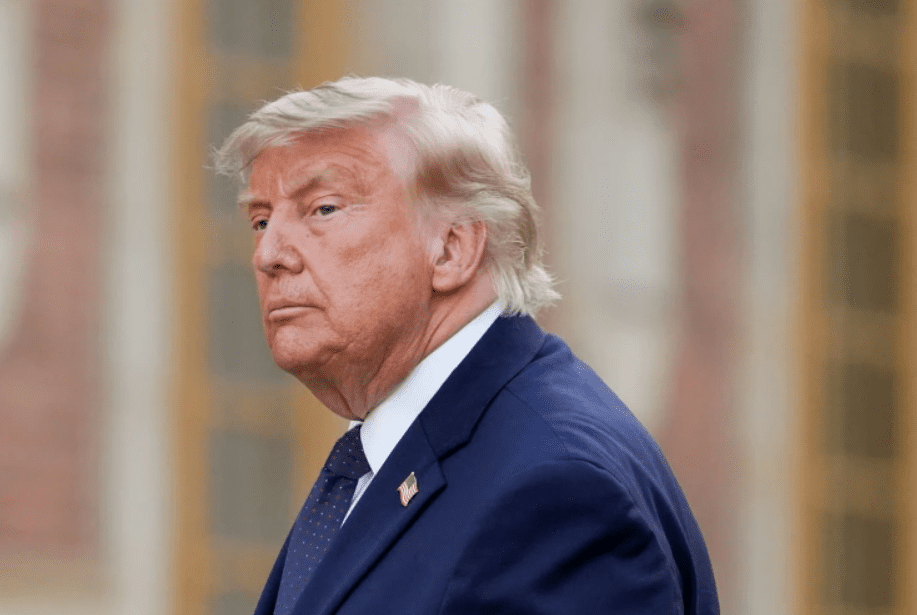
As optimism grows around a newly signed memorandum of understanding (MoU) between the United States and Iran, President Donald Trump has been quick to celebrate what he describes as a booming American economy. In recent social media posts, Trump claimed that oil is flowing freely, stock markets are hitting records, jobs are at historic highs, and prices are finally dropping.
But how accurate are these claims?
While some economic indicators have improved following the tentative peace agreement that aims to end months of conflict involving the US, Israel, and Iran, the broader economic picture remains far more complex. For millions of Americans, the real test of economic health is not what happens on Wall Street but what happens at the gas pump, the grocery store, and in the job market.
Are Prices Really Falling in America?
The question dominating public debate is simple: are prices really falling in America?
The answer depends on which prices you are talking about.
Recent developments in global energy markets have brought some relief. Oil prices have retreated from their wartime highs as fears of major disruptions in the Middle East have eased. The reopening of key shipping routes and renewed expectations of stable energy supplies have helped calm markets.
As a result, gasoline prices have begun to decline from peaks reached earlier this year. For consumers who have been dealing with elevated fuel costs for months, this is welcome news.
However, economists caution that lower oil prices do not automatically translate into lower prices across the economy.
Why Fuel Prices Are Falling
One of the most significant factors behind the recent decline in fuel prices is the improved outlook for oil transportation through the Strait of Hormuz, one of the world’s most important energy chokepoints.
During the conflict, concerns about disruptions to shipping traffic pushed energy prices sharply higher. Following the signing of the US-Iran MoU and the easing of tensions, oil markets reacted positively.
Crude oil prices fell as traders anticipated a more stable supply environment. Tanker traffic has also started to recover, allowing more oil and liquefied natural gas shipments to reach global markets.
Even so, supply chains remain under pressure. Shipping companies continue to face higher insurance costs, rerouting expenses, and logistical challenges that developed during the conflict.
These lingering costs may prevent fuel prices from returning to prewar levels anytime soon.
Inflation Remains a Challenge for Consumers
Although energy prices have shown signs of improvement, broader inflation remains a major concern.
Consumer prices have increased significantly over the past year, putting pressure on household budgets nationwide. Many Americans continue to feel the effects of higher costs for food, transportation, housing, and everyday necessities.
Supermarket prices remain particularly stubborn.
Food categories such as bakery products, cereals, fruits, vegetables, and nonalcoholic beverages have all experienced price increases. While monthly gains have slowed compared with previous surges, shoppers are still paying considerably more than they did before the recent wave of inflation.
Grocery Chains Respond to Consumer Pressure
Major retailers have begun adjusting their strategies as consumers become increasingly cautious with spending.
Several large supermarket chains have announced price reductions on selected products in an effort to attract budget-conscious shoppers. Competition among grocery retailers has intensified as customers compare prices more carefully and seek greater value from every purchase.
The move reflects a broader reality: consumers are still feeling financial strain despite signs of improvement in certain economic indicators.
For many families, affordability remains one of the biggest concerns heading into the second half of 2026.
Stock Market Records Do Not Tell the Whole Story
One of Trump’s most accurate claims involves the stock market.
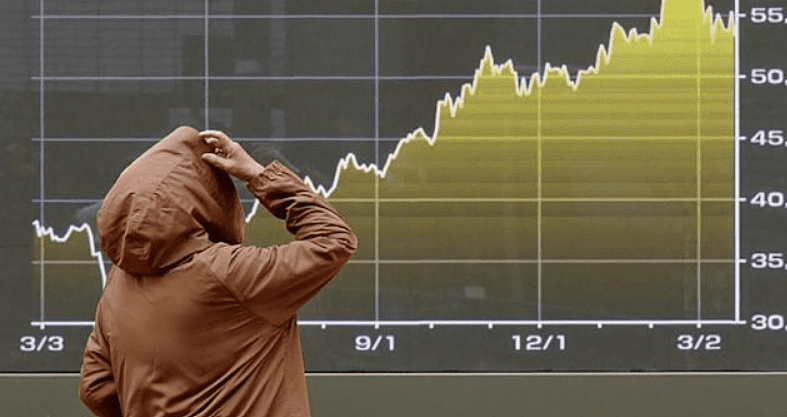
The Dow Jones Industrial Average recently reached a record closing high amid investor optimism surrounding the peace agreement and strong performance from several major companies.
Financial markets often react quickly to geopolitical developments, and investors welcomed signs that tensions in the Middle East could ease.
However, economists frequently warn against treating stock market gains as a direct measure of economic well-being.
The Gap Between Wall Street and Main Street
A rising stock market benefits investors, retirement accounts, and institutional funds. Yet not every American participates in the stock market.
Millions of households own little or no stock, meaning record highs on Wall Street may have limited impact on their daily financial lives.
For these consumers, economic conditions are measured less by stock indexes and more by purchasing power, wages, and living costs.
This distinction helps explain why strong market performance can coexist with widespread concerns about affordability.
Are Jobs Really at Record Levels?
Another key claim made by Trump concerns employment.
While the US labor market continues to add jobs, available data does not support the assertion that jobs are currently at record levels.
Recent hiring has been positive, with employers continuing to create new positions across several sectors. Healthcare remains one of the strongest contributors to employment growth.
At the same time, job creation has slowed compared with previous years.
Layoffs have also increased in some industries, particularly as businesses adopt artificial intelligence technologies and seek greater operational efficiency.
The Labor Market Is Showing Mixed Signals
Employment growth remains a positive sign for the economy, but the labor market is presenting a mixed picture.
Many companies continue hiring, yet others are reducing staff. Workers in certain industries face growing uncertainty as automation and AI reshape workforce needs.
This uneven pattern suggests that while the job market remains resilient, it is not experiencing the kind of historic boom implied by political messaging.
Oil Is Flowing Again, but Challenges Remain
Trump’s statement that “oil is flowing” contains a significant element of truth.
Energy shipments through critical maritime routes have resumed, helping stabilize global supply chains and reduce fears of prolonged shortages.
The restoration of tanker traffic through the Strait of Hormuz has been especially important because approximately one-fifth of the world’s oil supply normally passes through this corridor.
Nevertheless, experts caution that rebuilding inventories and fully normalizing global energy logistics will take time.
Even if geopolitical stability holds, months may be required before supply chains recover completely and pricing pressures ease across the broader economy.
What Americans Are Experiencing Right Now
The economic reality facing Americans in 2026 is neither entirely positive nor entirely negative.
Stock markets have performed well. Oil prices have retreated from recent highs. Energy supplies appear more secure than they did during the height of the conflict.
At the same time, inflation remains elevated, grocery prices continue to strain household budgets, and job growth has slowed compared with previous periods.
As a result, many Americans are still waiting to feel the benefits of improving economic indicators in their everyday lives.
Conclusion: Are Prices Really Falling in America?
So, are prices really falling in America?
The evidence suggests a nuanced answer.
Fuel prices have begun to decline as geopolitical tensions ease and oil markets stabilize. However, broader consumer prices remain high, and many households continue to struggle with affordability challenges.
While President Trump’s claims highlight some genuine economic improvements, they do not fully capture the ongoing pressures facing consumers. The stock market may be setting records, and energy markets may be calming, but for many Americans, the true measure of economic success will be whether wages rise, inflation cools, and everyday expenses become more manageable in the months ahead.

















Comments are closed.