
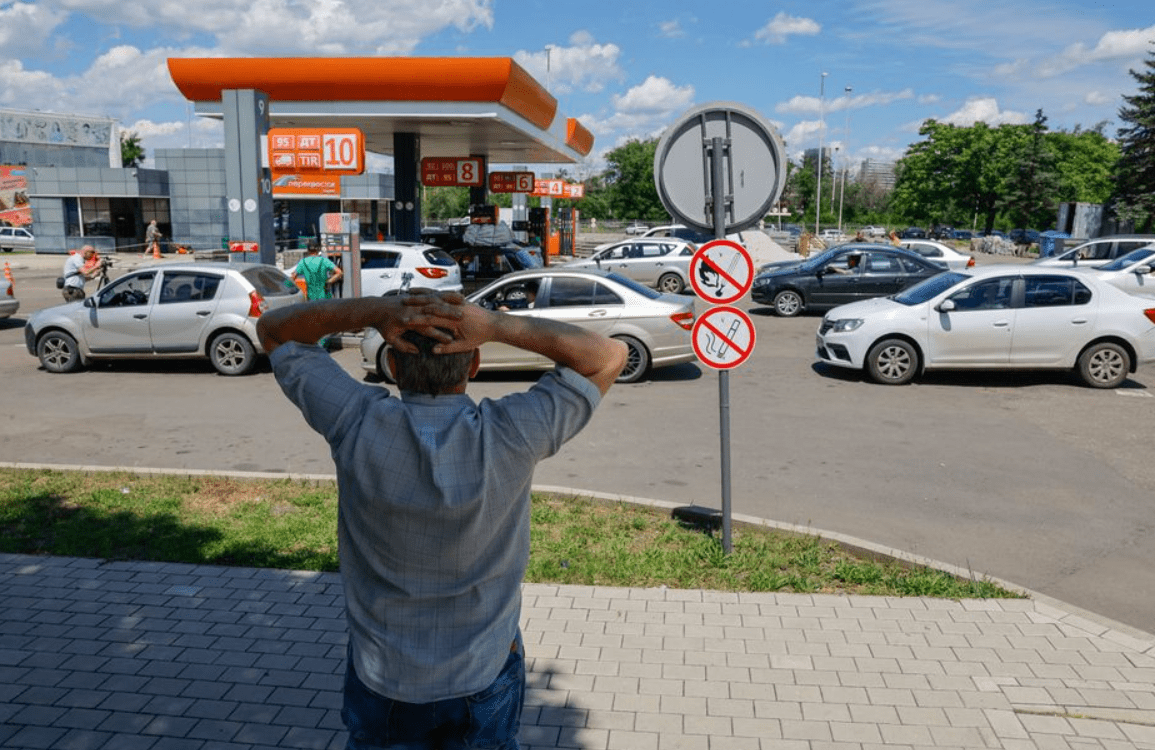
Russia’s hold over occupied Crimea is facing a new challenge as fuel shortages intensify across the peninsula. Following a series of Ukrainian drone attacks targeting oil depots, logistics hubs, and fuel transportation infrastructure, Russian-backed authorities have taken the extraordinary step of suspending fuel sales to the general public.
The move highlights the growing pressure on Moscow’s military supply networks and underscores how Ukraine’s expanding long-range strike capabilities are reshaping the battlefield far beyond the front lines.
Crimea Fuel Crisis Sparks New Concerns
The fuel crisis in Crimea has escalated dramatically after Ukrainian forces launched fresh attacks on critical energy and logistics facilities linked to Russia’s war effort.
Authorities in the occupied peninsula announced that petrol stations would no longer sell fuel to private citizens or businesses. Instead, available supplies will be reserved exclusively for government agencies and services deemed essential to maintaining security and public operations.
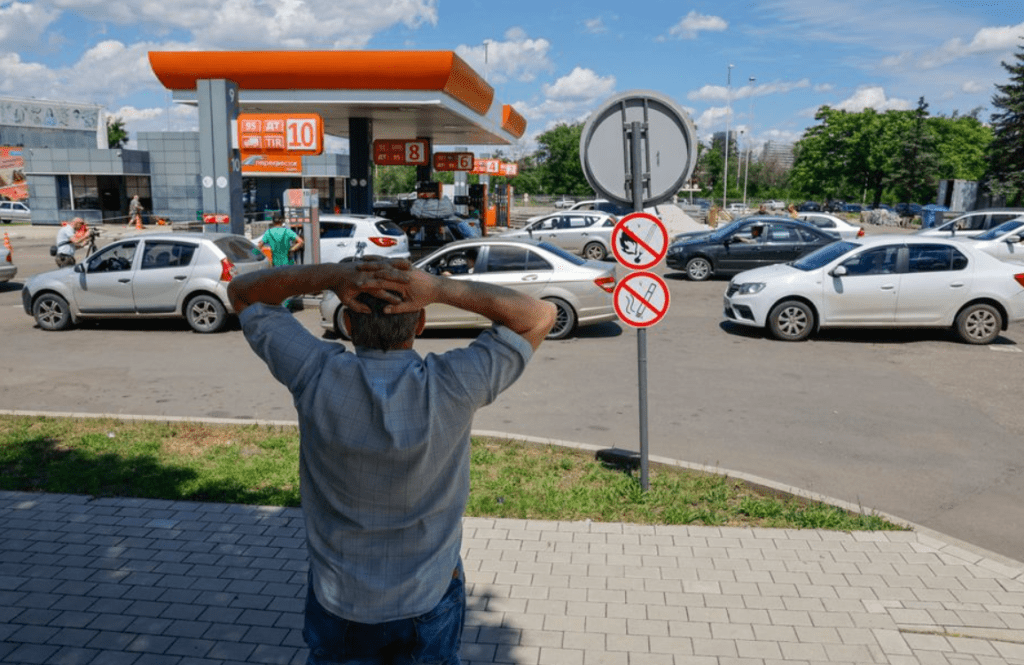
The restrictions come after weeks of fuel rationing and growing reports of supply disruptions across Crimea. Long queues at petrol stations have become increasingly common, raising concerns among residents and visitors alike.
For many observers, the latest measures represent one of the most significant signs yet that Ukraine’s strategy of targeting Russian logistics networks is having a tangible impact.
Why Crimea Matters in the Ukraine War
Crimea remains one of the most strategically important territories in the conflict.
Russia annexed the peninsula in 2014, a move widely condemned by the international community and rejected by Ukraine. Since then, Crimea has served as a vital military hub for Russian operations in southern Ukraine.
The region provides access to key naval facilities, air bases, transport corridors, and supply routes that support Russian forces on multiple fronts.
Because of this strategic importance, Ukraine has increasingly focused on disrupting Crimea’s infrastructure. By targeting fuel depots, transport hubs, and military logistics facilities, Kyiv hopes to weaken Russia’s ability to sustain military operations.
At the same time, such attacks create economic and logistical challenges that can affect everyday life for residents living under Russian control.
Ukrainian Drone Campaign Expands in Scope
Ukraine’s long-range drone program has become one of the country’s most effective military tools.
Over the past two years, Ukrainian engineers and defense companies have rapidly expanded domestic drone production. What began as a necessity has evolved into one of the most innovative defense sectors in Europe.
Recent strikes have demonstrated Ukraine’s ability to reach targets hundreds of kilometers from the front lines. Oil refineries, fuel storage facilities, radar systems, military depots, and transportation infrastructure have all become potential targets.
According to Ukrainian officials, recent operations struck an oil depot in Kerch as well as a logistics facility involved in transporting oil through Russia’s Krasnodar region.
These attacks are part of a broader strategy aimed at reducing the resources available to Moscow while increasing the economic cost of continuing the war.
Targeting Russia’s Energy Network
Energy infrastructure has become a key focus of Ukraine’s campaign.
Oil exports remain a major source of revenue for Russia. By disrupting production, storage, and transportation facilities, Ukraine seeks to limit the funds available for military spending.
Experts note that attacks on fuel facilities can have effects that extend well beyond immediate physical damage. Even temporary disruptions can create supply bottlenecks, increase transportation costs, and force authorities to redirect resources toward repairs and security measures.
The fuel shortages now affecting Crimea offer a clear example of how these operations can influence both military logistics and civilian life.
Russia Responds as Escalation Continues
Russia claims to have intercepted hundreds of Ukrainian drones during recent attacks, highlighting the growing scale of aerial operations on both sides.
However, some strikes continue to penetrate air defenses and reach high-value targets. Each successful attack generates significant attention because it demonstrates vulnerabilities within Russia’s extensive security network.
The Kremlin has repeatedly condemned Ukrainian drone operations and has responded with large-scale missile and drone attacks against Ukrainian cities and infrastructure.
As a result, civilians across Ukraine continue to face the threat of retaliatory strikes.
Ukrainian President Volodymyr Zelensky has argued that attacks on military and energy-related facilities are a necessary response to Russia’s ongoing assault on Ukrainian territory. He has described long-range strike capabilities as an important tool for pressuring Moscow and reducing its capacity to wage war.
Impact on Residents and Tourism
The timing of the fuel restrictions is particularly significant because Crimea typically experiences a surge in visitors during the summer months.
For years, the peninsula has been promoted as a popular holiday destination for Russian tourists. However, fuel shortages and transportation disruptions are creating new challenges for travelers.
Reports from the region suggest that some motorists have already struggled to find enough fuel for return journeys. If shortages continue, tourism businesses could face additional economic pressure during what is normally one of the busiest periods of the year.
Residents are also feeling the effects. Longer wait times at petrol stations and uncertainty about future fuel availability have added to concerns about daily life on the peninsula.
Economic Pressure Beyond the Battlefield
The consequences of logistics disruptions extend beyond military operations.
When fuel supplies become limited, transportation networks, commercial activities, and local businesses can all be affected. This creates broader economic stress that may influence public sentiment over time.
Ukraine’s leadership hopes that sustained pressure on strategic infrastructure will increase the costs of the conflict for Russia while strengthening Kyiv’s position in any future negotiations.
Whether this strategy will alter Moscow’s decision-making remains uncertain, but the effects are becoming increasingly visible.
What Comes Next for Crimea?
The suspension of public fuel sales marks a significant moment in the ongoing conflict.
As Ukraine continues targeting supply chains and energy infrastructure, Crimea is emerging as a key battleground in the wider struggle over logistics, resources, and military mobility.
At the same time, Russia is likely to strengthen defenses around critical facilities while continuing retaliatory attacks against Ukrainian targets.
With ceasefire efforts stalled and both sides intensifying operations, the situation suggests that infrastructure and energy networks will remain central targets in the months ahead.
Conclusion
The Crimea fuel crisis illustrates how modern warfare extends far beyond traditional battlefields. By striking oil depots, logistics hubs, and transportation networks, Ukraine is attempting to weaken Russia’s military capabilities while increasing economic pressure on occupied territories.
As fuel shortages deepen and restrictions tighten, Crimea’s strategic importance is once again at the center of the conflict. The evolving situation demonstrates how control of energy supplies and logistics infrastructure has become a crucial factor in shaping the course of the war.












Comments are closed.