

Proposed Ceasefire Aims to Revive Diplomacy Amid Intensifying Military Confrontation
Regional mediators are seeking to broker a new ceasefire between the United States and Iran as the conflict continues to escalate, raising concerns that prolonged military exchanges could trigger a broader regional crisis.
According to Iranian officials, diplomatic efforts are underway to prevent further escalation, while reports indicate that several regional governments have presented a proposal designed to temporarily halt hostilities and create conditions for renewed negotiations. The initiative comes as military operations expand beyond traditional targets, increasing pressure on both sides to balance strategic objectives with growing political and economic costs.
Background: Collapse of Previous Diplomatic Framework
The latest diplomatic initiative follows the breakdown of a memorandum of understanding (MoU) reached in June, which had extended an earlier ceasefire and established a framework for negotiations between Washington and Tehran.
The agreement was intended to reduce hostilities after months of conflict that began following Israeli and US military operations against Iran. However, both governments later accused each other of violating the terms of the arrangement, leading to renewed military action.
Since then, the conflict has intensified through reciprocal strikes, creating additional instability across the Middle East and increasing concerns over international shipping, regional security and global energy markets.
Proposed Truce Focuses on Temporary Ceasefire and Strait of Hormuz
According to reports, mediators including Qatar, Egypt, Pakistan and other regional actors have advanced a proposal calling for a 10-day ceasefire between the United States and Iran.
The reported plan would pause military operations while negotiators attempt to restore diplomatic discussions and revive elements of the previous agreement.
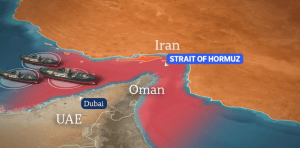
A key component of the proposal involves restoring commercial navigation through the Strait of Hormuz, one of the world’s most strategically important maritime routes. Discussions reportedly include mechanisms for safely reopening shipping lanes while addressing security concerns for both parties.
Iranian Foreign Ministry spokesperson Esmaeil Baghaei confirmed that diplomatic proposals had been delivered through mediators but declined to discuss specific details, emphasizing that diplomatic engagement would continue alongside Iran’s military posture.
Analysts Question Prospects for a Lasting Agreement
International relations experts note that while mediation efforts continue, achieving a sustainable ceasefire remains challenging.
Analysts argue that the previous agreement ultimately failed because differing interpretations allowed both governments to claim compliance while accusing the other side of violations. Any future arrangement, they suggest, would require clearer commitments and stronger implementation mechanisms to prevent similar disputes.
Recent military developments have further complicated negotiations. Continued exchanges of strikes have increased domestic political pressure on leaders in both Washington and Tehran, making compromise more difficult while reinforcing demands for military responses.
Some security analysts believe current US operations indicate an effort to contain the conflict geographically rather than expand into a broader regional war. Others argue that ongoing military action reduces incentives for Iran to return to meaningful negotiations until both sides demonstrate a stronger commitment to diplomacy.
Regional Security Concerns Continue to Grow
The conflict has increasingly affected neighboring countries, raising concerns that instability could spread beyond the immediate confrontation between the United States and Iran.
Recent attacks have reportedly affected infrastructure and strategic facilities across parts of the Gulf region, while tensions surrounding the Strait of Hormuz continue to disrupt international shipping and global energy markets.
Analysts have also warned about the possibility of additional pressure on other critical maritime routes, including the Bab al-Mandeb Strait, which connects the Red Sea to the Gulf of Aden. Any disruption to these shipping corridors could significantly affect global trade, energy supplies and international supply chains.
The expanding geographic scope of the conflict has prompted renewed diplomatic engagement from regional governments seeking to prevent further escalation.
Implications for US Foreign Policy and International Relations
The ongoing crisis presents significant challenges for US foreign policy as Washington seeks to balance military objectives with broader regional stability.
For Iran, continued confrontation carries economic and security costs, while sustained military pressure may strengthen domestic arguments against compromise without credible diplomatic guarantees.
For regional partners, prolonged conflict threatens investment, energy exports and commercial shipping, increasing incentives for mediation efforts.
The outcome of current negotiations could also influence broader international relations by shaping future approaches to conflict management, maritime security and regional diplomacy.
Conclusion
Efforts to secure a temporary ceasefire between the United States and Iran underscore growing international concern that continued military escalation could lead to a wider Middle East conflict.
Although mediators remain engaged and both sides continue to signal openness to diplomacy under certain conditions, persistent military operations and deep political divisions continue to complicate prospects for a lasting agreement. Whether current initiatives succeed may depend on both governments’ willingness to prioritize negotiations over continued escalation.















Comments are closed.