
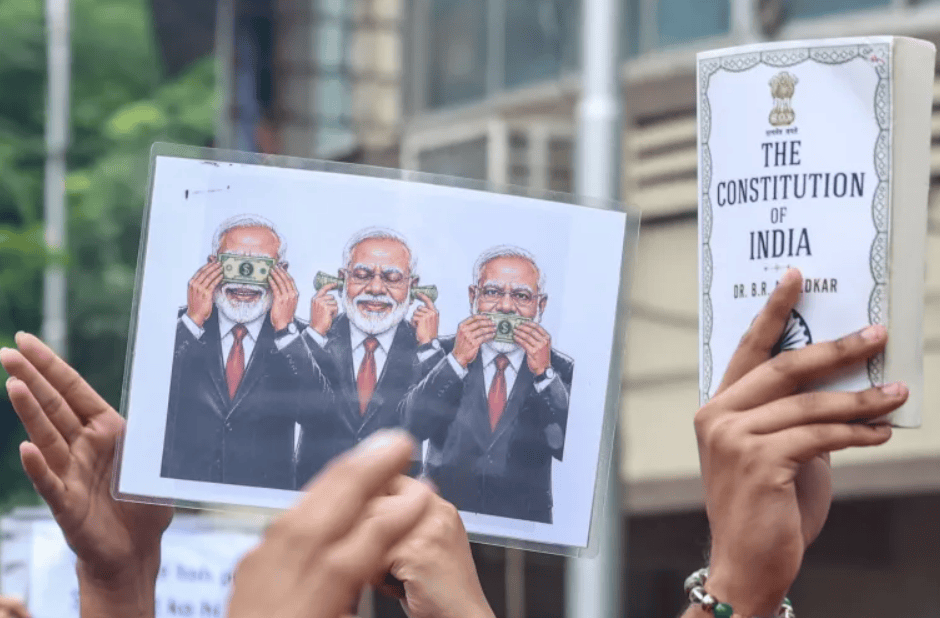
India Exam Leak Protests Put Government Under Growing Pressure
India’s education system is facing one of its biggest public challenges in recent years as nationwide demonstrations over examination paper leaks continue to gain momentum. After weeks of mounting protests led largely by students and young activists, Prime Minister Narendra Modi has announced the creation of fast-track courts to prosecute those responsible for examination fraud.
The announcement marks Modi’s first direct response to a movement that has evolved from online activism into widespread street protests. However, many demonstrators argue that stronger legal action alone will not solve the deeper structural problems affecting India’s examination system.
As frustration grows, the protests have become a broader symbol of concerns about transparency, accountability, and the future of millions of students.
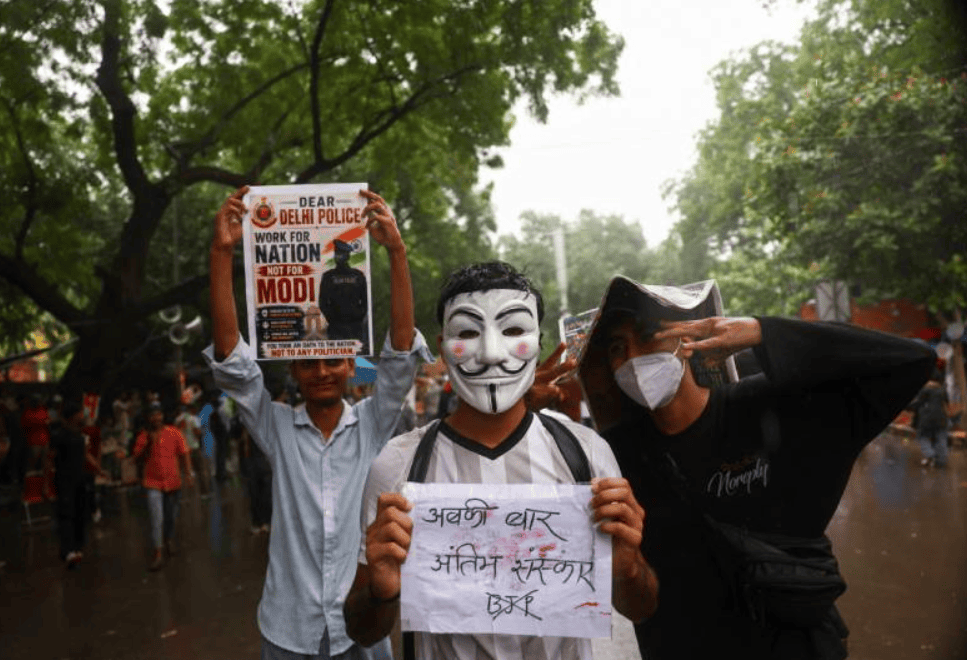
Modi Announces Fast-Track Courts
Prime Minister Narendra Modi pledged swift action against individuals involved in examination paper leaks, describing the issue as a direct threat to India’s youth.
Posting on social media, Modi emphasized that protecting students’ futures remains a national priority. He announced plans to establish fast-track courts designed to ensure quicker investigations, trials, and punishments for those found guilty of leaking examination papers.
The government believes that speeding up legal proceedings could discourage organized cheating networks and restore public confidence in competitive examinations.
Nevertheless, critics argue that stronger punishments address only the consequences rather than the causes of repeated examination failures.
Why the India Exam Leak Protests Began
Alleged Irregularities Spark Public Anger
The current wave of India exam leak protests was triggered by reported irregularities surrounding national medical entrance examinations. Concerns over leaked question papers and compromised testing procedures quickly spread across social media, leading thousands of students to demand accountability.
Many participants say repeated examination scandals have undermined trust in a system that determines access to higher education and career opportunities.
For students who spend years preparing for highly competitive exams, allegations of paper leaks create a sense that merit is no longer enough to guarantee success.
Growing Distrust in the Education System
The latest controversy is not viewed as an isolated incident. Instead, many protesters believe it reflects long-standing weaknesses in India’s examination process.
Recurring reports of leaked papers, cancelled exams, and delayed recruitment tests have increased public frustration. Students argue that repeated disruptions waste valuable years of preparation while creating emotional and financial stress for families.
As a result, calls for comprehensive education reform have become louder than ever.
Cockroach Janta Party Emerges as an Unlikely Protest Leader
One of the most unusual developments during the demonstrations has been the rise of the Cockroach Janta Party, commonly known as the CJP.
Originally launched in May as a satirical online campaign, the movement has rapidly transformed into a nationwide platform advocating examination reforms and greater government accountability.
Its supporters have organized large demonstrations in New Delhi and several other major cities, attracting widespread attention across India.
The movement has also become a rallying point for frustrated students who believe their concerns have been ignored for too long.
Protest Leaders Reject Government Proposal
Despite welcoming recognition of the issue, CJP leaders dismissed the government’s announcement of fast-track courts as inadequate.
Movement representatives argue that paper leaks occur because of failures in administration, security, and oversight rather than slow court proceedings.
According to protest organizers, meaningful reform requires stronger examination safeguards, improved accountability within the education ministry, and independent investigations into alleged irregularities.
They continue to demand the resignation of Education Minister Dharmendra Pradhan, claiming leadership changes are necessary to restore confidence in the education system.
Demonstrations Continue Across India
New Delhi has become the center of the India exam leak protests, with thousands of demonstrators occupying Parliament Street for several days.
Many protesters have remained at the site around the clock, transforming the area into a continuous demonstration calling for education reform.
Authorities have responded by increasing security around key government buildings. Several metro stations near protest locations have also been temporarily closed in an effort to control large crowds.
Earlier this week, police used tear gas and batons to disperse demonstrators attempting to march toward Parliament. The confrontation drew widespread public attention and intensified debate over the government’s handling of peaceful protests.
Meanwhile, solidarity demonstrations have spread to major cities including Mumbai, Bengaluru, and Patna, highlighting growing nationwide support for the movement.
Protesters Raise Concerns Beyond Paper Leaks
While examination fraud remains the central issue, protesters have expanded their demands to address broader concerns affecting students.
The movement is calling for the withdrawal of legal cases filed against peaceful demonstrators. Organizers also seek financial assistance for families of students who reportedly died by suicide following recent examination cancellations and uncertainty surrounding competitive tests.
Supporters argue that the emotional impact of repeated examination failures extends far beyond academic performance.
Years of preparation, financial investment, and intense competition have placed enormous pressure on students. Consequently, many believe reforms should focus not only on examination security but also on student welfare and mental health support.
Political Impact of the Student Movement
The rapid expansion of the India exam leak protests has created a significant political challenge for the government.
India’s large youth population represents a powerful voting bloc, and concerns about employment opportunities, competitive examinations, and educational fairness continue to influence public opinion.
Opposition parties have used the protests to criticize the government’s management of the education sector, arguing that repeated examination controversies demonstrate deeper administrative failures.
Although the government hopes its judicial reforms will reduce future incidents, many observers believe lasting public confidence will depend on broader institutional reforms.
The coming weeks are likely to determine whether negotiations, additionalFast-track courts may help accelerate legal proceedings against individuals involved in examination fraud. Faster convictions could serve policy announcements, or continued demonstrations shape the next phase of the crisis.
Can Fast-Track Courts Solve the Problem?
Fast-track courts may help accelerate legal proceedings against individuals involved in examination fraud. Faster convictions could serve as a deterrent for organized paper leak networks.
However, many education experts argue that legal reforms alone cannot eliminate systemic weaknesses.
Preventing future scandals may require stronger digital security, improved examination logistics, stricter oversight of testing authorities, enhanced transparency, and independent auditing of examination processes.
Without comprehensive reforms, public confidence may remain fragile even if prosecutions increase.
Conclusion
The India exam leak protests have evolved into one of the country’s most significant youth-led movements in recent years. Prime Minister Narendra Modi’s promise to establish fast-track courts represents an important policy response, but many protesters believe deeper reforms remain essential.
As demonstrations continue across multiple cities, the debate has expanded beyond examination paper leaks to include government accountability, educational fairness, and the future of millions of students. Whether the proposed measures restore confidence or simply delay further unrest will depend on how effectively authorities address the structural issues at the heart of India’s education system.







Comments are closed.