
Economic Strains, Regional Risks and Political Pressures Complicate Path Toward New Truce
The United States and Iran are facing increasing pressure to reconsider the future of their escalating conflict as repeated military strikes, economic consequences and regional instability raise the costs of continued confrontation.
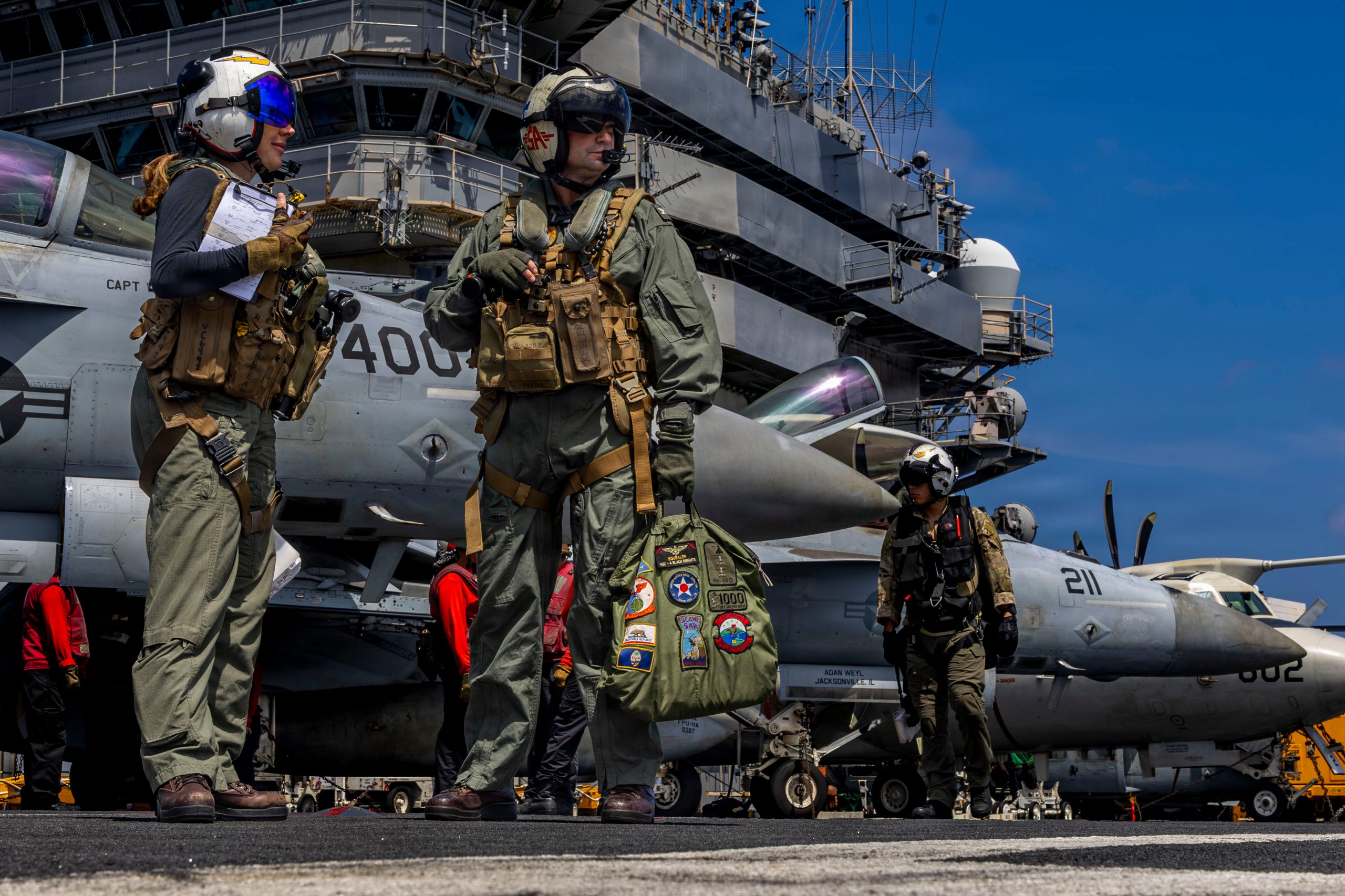
After both sides abandoned a June memorandum aimed at extending a ceasefire and continuing negotiations, Washington and Tehran have entered a renewed cycle of attacks. The latest escalation has involved US strikes on Iranian targets and Iranian retaliatory actions against US-linked positions in the region, increasing concerns about a wider Middle East conflict.
Although leaders from both countries have maintained firm public positions, both governments face domestic and international challenges that could influence future decisions on diplomacy, military operations and negotiations.
Background: A Long-Running US-Iran Rivalry
Relations between the United States and Iran have been shaped by decades of political disputes, economic sanctions and security tensions.
Washington has imposed extensive sanctions on Tehran over issues including Iran’s nuclear program, regional military activities and foreign policy objectives. Iran has argued that these measures represent economic pressure aimed at weakening the country, while US officials have said sanctions are intended to influence Iranian government behavior.
The current conflict follows years of heightened tensions between the two countries, including disputes over military deployments in the Middle East, attacks on regional targets and disagreements over Iran’s nuclear capabilities.
The June agreement had temporarily created a diplomatic opening, with both sides indicating willingness to pursue talks. However, renewed military actions have since undermined that framework.
Iran Faces Economic and Military Challenges
Iran enters the latest phase of the conflict with significant economic difficulties caused by long-term sanctions and reduced access to international markets.
US restrictions have affected Iran’s oil exports, financial access and foreign investment opportunities. Economic pressure has contributed to currency instability and broader challenges for Iranian households and businesses.
The temporary easing of sanctions measures following the June agreement provided some economic relief, but renewed restrictions have placed additional pressure on Tehran’s economy.
Iran’s military capabilities have also been affected by previous strikes. Analysts have reported damage to parts of Iran’s missile infrastructure, drone capabilities, naval assets and weapons production facilities.
Despite these losses, Iranian officials have continued to signal that they intend to maintain military resistance rather than accept an agreement they consider unfavorable.
Regional Diplomacy Becomes Increasingly Complex
The conflict has also placed pressure on Iran’s relationship with neighboring Gulf states and increased security concerns across the Middle East.
The United States maintains military installations throughout the region, including facilities in countries such as Bahrain, Qatar, Kuwait, Jordan, Saudi Arabia and the United Arab Emirates. Iranian officials have stated that their operations target US military positions, although previous attacks have also affected sovereign territory and caused civilian casualties.
Gulf governments have responded by strengthening security coordination, including information sharing and joint warning systems, as concerns grow over potential spillover effects.
Pakistan, which has played a mediating role between Washington and Tehran, has called for renewed dialogue, arguing that diplomacy remains the only sustainable path toward stability.
US Faces Energy, Political and Military Pressures
The United States is also facing challenges linked to the continuation of the conflict.
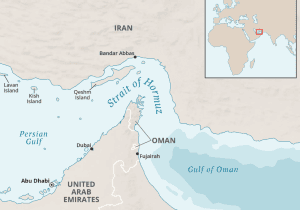
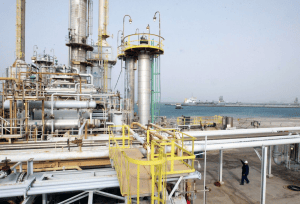
One major concern is the impact on global energy markets. Uncertainty surrounding the Strait of Hormuz, a critical route for international oil shipments, has contributed to higher crude prices and increased concerns about energy security.
Higher fuel prices have domestic political consequences in the United States, where public opinion about the conflict has become increasingly divided. Polling has shown significant opposition among Americans to continued military involvement, creating potential political challenges ahead of the 2026 midterm elections.
The conflict has also raised questions about US military resources. Analysts have warned that sustained use of advanced weapons systems could affect stockpiles needed for future security challenges, including possible tensions involving other major powers.
Diplomatic Options Remain Uncertain
Despite mounting costs, neither side appears ready to make major concessions.
Iranian officials have framed the conflict as a matter of national survival and have argued that accepting pressure from Washington would weaken their strategic position. Analysts note that Tehran has historically adapted to sanctions and maintained domestic production capabilities despite economic restrictions.
For the United States, officials face the challenge of achieving strategic objectives without expanding a conflict that carries financial, military and political risks.
Security experts have emphasized that weapons consumption, regional instability and international perceptions are important considerations for Washington’s long-term calculations.
Implications for US Foreign Policy and Middle East Stability
The conflict highlights broader challenges in US foreign policy and international relations, particularly regarding military intervention, diplomacy and regional security.
A prolonged confrontation could increase instability across the Middle East, affect global energy markets and deepen divisions between major geopolitical actors. It could also influence how allies and rivals assess US military capabilities and diplomatic influence.
The possibility of renewed negotiations remains, but any future agreement would likely require addressing security concerns, sanctions relief and broader regional issues.
Conclusion
Both the United States and Iran face significant costs from continuing escalation, but political calculations and security concerns continue to limit compromise.
While military operations remain ongoing, pressure from economic challenges, regional instability and international diplomacy may eventually push both sides toward renewed negotiations. The outcome will have major consequences for Middle East politics, global energy security and the future direction of US-Iran relations.
Excerpt:
Tags:
US Iran conflict, Middle East politics, US foreign policy, geopolitical tensions, Iran sanctions, diplomacy, international relations, Strait of Hormuz, Middle East security, military escalation, Iran nuclear program, global energy markets, regional stability, conflict analysis, US foreign affairs






Comments are closed.