


The Eurovision Song Contest has long promoted itself as a celebration of music, unity, and international culture. However, the 2026 edition has become one of the most controversial moments in the competition’s history as growing outrage over Israel’s participation continues to dominate headlines worldwide.
As Eurovision prepares to celebrate its 70th anniversary in Vienna, Austria, several countries have officially withdrawn from the competition in protest against Israel’s inclusion. At the same time, artists, activists, former Eurovision winners, and human rights organizations are intensifying pressure on the European Broadcasting Union, widely known as the EBU.
The controversy has transformed what is usually a festive music spectacle into a deeply polarizing political and cultural debate.
Why Eurovision 2026 Is Facing Boycotts
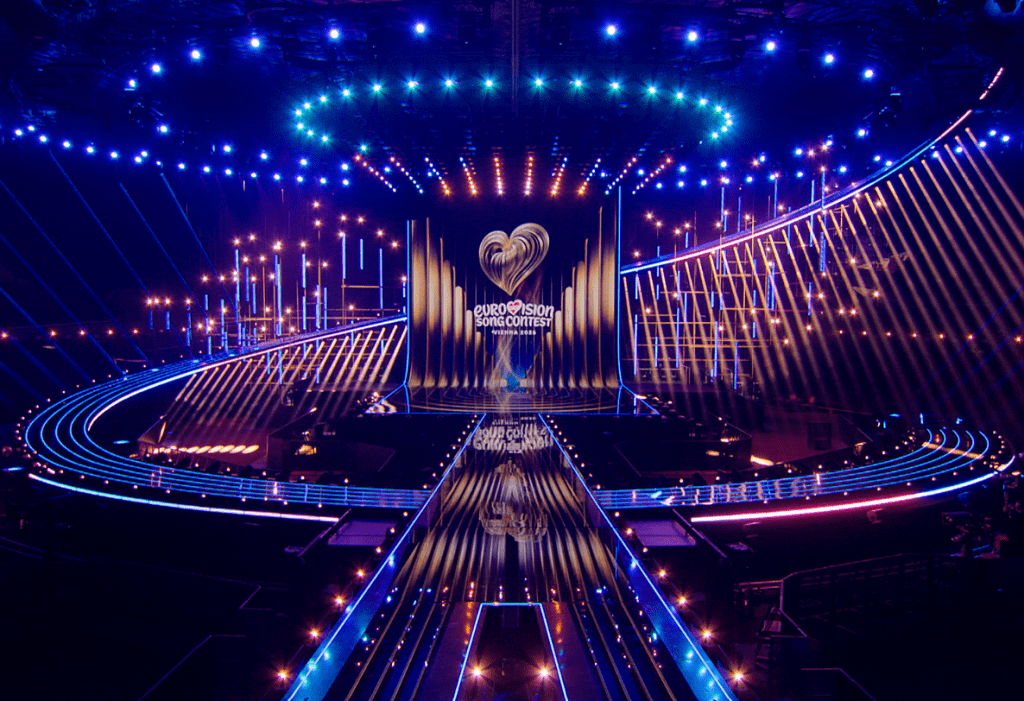
The backlash surrounding Eurovision 2026 centers on Israel’s ongoing war in Gaza and accusations of genocide raised by critics, activists, and several international organizations.
Five countries have officially boycotted the competition:
- Republic of Ireland
- Netherlands
- Slovenia
- Spain
- Iceland
These nations announced they would not participate if Israel remained part of the contest.
Critics argue that allowing Israel to compete contradicts Eurovision’s claims of neutrality and inclusivity. Many also point to the EBU’s decision to ban Russia following its invasion of Ukraine while permitting Israel to remain in the contest.
As a result, accusations of double standards have become one of the biggest themes surrounding this year’s event.
Israel Remains Part of Eurovision 2026
Despite mounting criticism, the EBU confirmed that Israel would participate in Eurovision 2026.
Israeli singer Noam Bettan will represent the country in Vienna with the pop song Michelle.
The decision followed internal discussions within the EBU, where member broadcasters debated whether Israel’s public broadcaster KAN should remain eligible for the competition.
Ultimately, the organization decided there was no need for a further vote on Israel’s participation.
The EBU later stated that the contest should continue “as planned” while maintaining additional safeguards to protect the competition’s neutrality and integrity.
Critics Accuse Eurovision Organizers of Hypocrisy
One of the strongest criticisms aimed at Eurovision organizers involves comparisons between Israel and Russia.
In 2022, the EBU removed Russia from Eurovision following its invasion of Ukraine. Critics now argue that the organization is applying different standards to Israel despite widespread condemnation of the Gaza conflict.
More than 1,000 musicians and cultural workers signed an open letter accusing the EBU of hypocrisy.
The letter stated:
“The EBU’s hypocritical responses to Russia’s and Israel’s crimes have removed any illusion of Eurovision’s claimed neutrality.”
Several major artists joined the campaign, including:
- Roger Waters
- Macklemore
- Paloma Faith
- Paul Weller
- Kneecap
Former Eurovision winners also publicly criticized Israel’s participation.
Eurovision Winners Join the Protest Movement
The backlash has expanded beyond activists and broadcasters.
Swiss artist Nemo, who won Eurovision in 2024, announced plans to return the Eurovision trophy in protest over Israel’s continued inclusion.
Nemo explained that the award no longer reflected personal values due to the contest’s handling of the controversy.
Additionally, Irish Eurovision winner Charlie McGettigan also pledged to return his trophy in solidarity with Palestinians.
These symbolic gestures intensified global attention surrounding the boycott movement.
Amnesty International Condemns Eurovision’s Decision
Human rights organizations have also entered the debate.
Amnesty International Secretary-General Agnes Callamard strongly criticized the EBU’s refusal to suspend Israel from the competition.
She described the decision as an example of “blatant double standards.”
Furthermore, Amnesty accused Eurovision organizers of allowing Israel to use the contest as an international platform while the conflict in Gaza continues.
Critics additionally argue that cultural events should not provide governments with opportunities to improve international image during periods of armed conflict.
Supporters Defend Israel’s Participation
Despite growing backlash, Israel’s inclusion also has strong supporters.
Germany, one of Eurovision’s most influential participating countries, openly supported Israel remaining in the contest. German officials reportedly warned they would reconsider their own participation if Israel were excluded.
Meanwhile, the pro-Israel organization Creative Community for Peace published an open letter defending Israel’s involvement.
The statement received signatures from more than 1,000 entertainment industry figures, including:
- Amy Schumer
- Mila Kunis
- Jerry O’Connell
Supporters argue that Eurovision should remain separate from politics and continue promoting cultural unity through music.
According to the letter, excluding Israel would undermine the spirit of the competition itself.
Eurovision Has Always Carried Political Tensions
Although Eurovision often promotes itself as politically neutral, experts argue the contest has always reflected geopolitical tensions.
The competition was founded in 1956 as part of broader efforts to unite Europe after World War II. Over the decades, Eurovision repeatedly became a stage where political and cultural conflicts surfaced indirectly through performances, voting patterns, and public protests.
As a result, many analysts believe the current controversy is part of Eurovision’s long history rather than an entirely new phenomenon.
Author Chris West, who wrote Eurovision: A History of Modern Europe Through the World’s Greatest Song Contest, noted that Eurovision has never been fully separate from politics.
The growing pressure surrounding Israel’s participation simply highlights how difficult maintaining neutrality has become in today’s global climate.
Public Protests Continue Across Europe
Public demonstrations linked to Eurovision and Palestine have already taken place across multiple European cities.
Pro-Palestinian activists organized protests during recent Eurovision editions in Malmö and Basel. Similar demonstrations are expected during this year’s competition in Vienna.
At the same time, alternative music events supporting Palestine are gaining momentum across Europe.
Several former Eurovision fans have publicly stated they now prefer attending solidarity concerts instead of watching the official competition.
In Belgium, alternative pro-Palestinian music events featuring former Eurovision participants are already attracting attention online.
The Eurovision Brand Faces a Difficult Moment
The controversy surrounding Eurovision 2026 may have lasting consequences for the competition’s global image.
For decades, Eurovision successfully positioned itself as an inclusive celebration of diversity, creativity, and international collaboration. However, critics now argue that political neutrality becomes impossible during moments of major humanitarian crisis.
Additionally, social media has amplified public scrutiny in ways Eurovision organizers cannot easily control.
Every decision made by the EBU now faces immediate global reaction, placing enormous pressure on the organization ahead of the anniversary edition.
Conclusion
Eurovision 2026 is no longer just a music competition. It has become a global flashpoint in a wider political, cultural, and ethical debate surrounding Israel’s participation during the ongoing Gaza conflict.
While the EBU insists the contest should remain neutral, critics argue neutrality itself has become a political choice.
As boycotts grow and public pressure intensifies, the controversy continues reshaping how audiences view one of the world’s most famous entertainment events.
Whether Eurovision can maintain its image as a unifying cultural platform remains uncertain. However, one thing is clear: this year’s contest will be remembered for far more than music alone.



Comments are closed.