
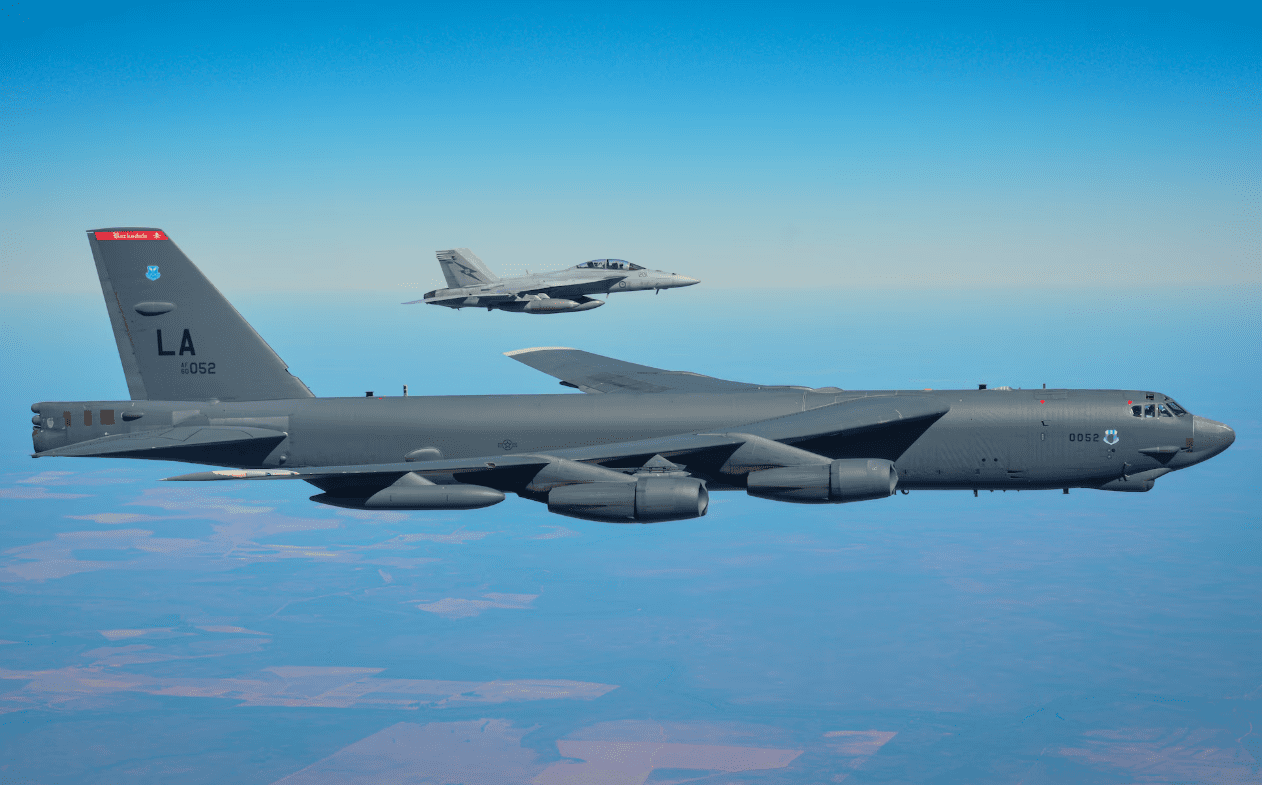
A routine military test mission turned into a national tragedy after a US Air Force B-52 bomber crashed moments after take-off from Edwards Air Force Base in California, killing all eight people on board.
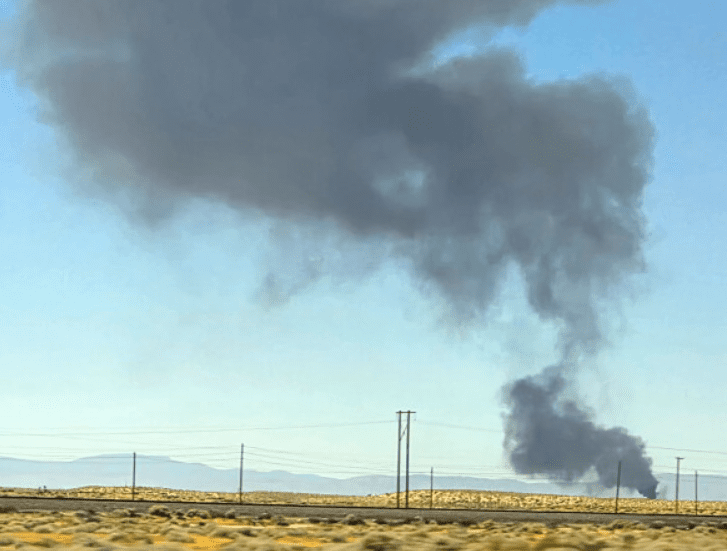
The devastating incident has shocked military officials, aviation experts, and communities across the United States. The aircraft burst into flames immediately after leaving the runway, creating a massive plume of black smoke visible for miles across the Mojave Desert.
As investigators begin the difficult task of determining what went wrong, questions are mounting about one of America’s most iconic military aircraft and the circumstances surrounding the deadly crash.
B-52 Bomber Crash Claims Eight Lives
The fatal accident occurred at approximately 11:20 a.m. local time on Monday during what officials described as a routine test flight from Edwards Air Force Base in Southern California.
According to Air Force officials, the aircraft crashed almost immediately after take-off and erupted into flames upon impact. Colonel James Hayes described the incident as a “terrible tragedy” and confirmed that all eight individuals aboard the aircraft were killed.
The victims included a mixed crew of military personnel, government civilians, government contractors, and two Boeing employees who were participating in the mission. Authorities stated that the crash was considered unsurvivable based on early assessments of the wreckage and available footage.
Next of kin notifications are currently underway, and officials have said the identities of those killed will be released after families have been informed.
What Happened During the Test Mission?
The B-52 bomber was reportedly supporting Edwards Air Force Base’s radar modernization program at the time of the crash.
Witnesses and initial reports indicate that the aircraft failed shortly after becoming airborne. It then crashed within the boundaries of the military installation, preventing damage to nearby communities.
Emergency response teams quickly arrived at the scene and managed to contain the fire within the base. However, the severity of the impact and resulting blaze left little hope for survival.
Military officials temporarily suspended flight operations at Edwards Air Force Base following the accident. Incoming aircraft were diverted, while access to the installation was restricted so emergency crews and investigators could focus on the response effort.
Investigation Underway Into Fatal B-52 Bomber Crash
Officials have emphasized that it is far too early to determine the cause of the accident.
A formal investigation has been launched involving multiple military and aviation agencies. Initial findings could take several weeks, while a comprehensive analysis may require months.
Investigators will examine a wide range of factors, including:
Aircraft Systems
Experts will inspect the bomber’s engines, flight controls, navigation systems, and onboard equipment to determine whether a mechanical failure occurred.
Flight Operations
Investigators will review flight data, mission objectives, maintenance records, and pilot procedures to identify any operational issues.
Environmental Conditions
Although weather has not been cited as a factor, investigators routinely assess environmental conditions during every major aviation accident inquiry.
Officials cautioned against speculation and stressed that conclusions will only be drawn after a complete review of all available evidence.
The Legacy of the B-52 Stratofortress
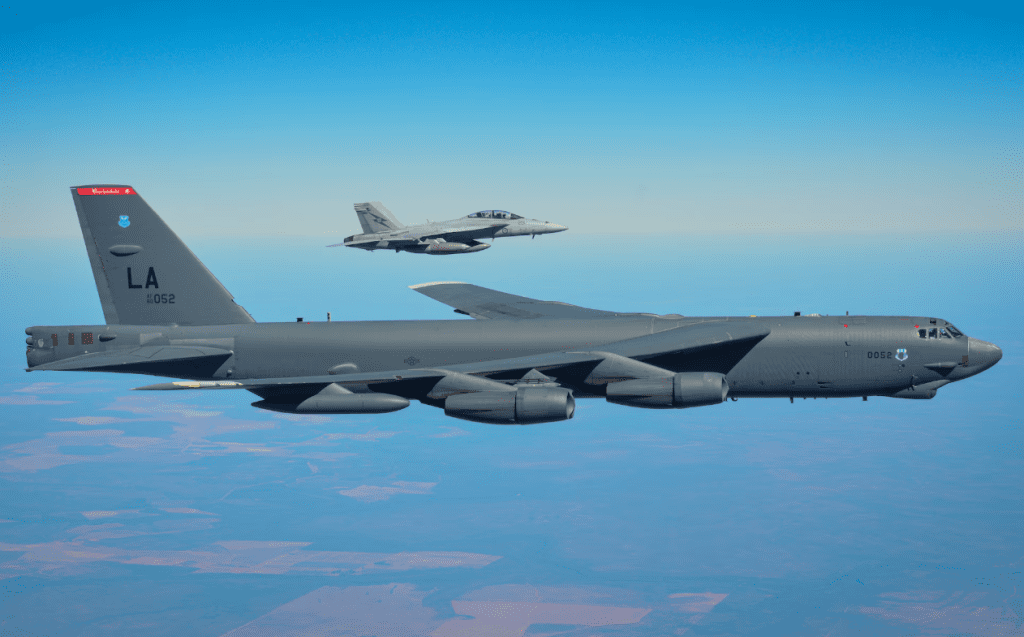
The aircraft involved in the accident was a Boeing B-52 Stratofortress, one of the most recognizable military aircraft ever built.
First introduced in the 1950s, the B-52 has served as a cornerstone of American air power for more than seven decades. Despite its age, the aircraft remains a critical component of the United States military’s long-range strike capabilities.
Nicknamed “BUFF,” short for “Big Ugly Fat Fellow,” the bomber has earned a reputation for durability, adaptability, and extraordinary operational longevity.
Why the B-52 Remains Important Today
The B-52 continues to play a significant role in modern military operations because of its unique capabilities.
The aircraft can:
- Carry a payload of up to 70,000 pounds
- Deliver conventional and strategic weapons
- Operate at altitudes of approximately 50,000 feet
- Refuel while in flight
- Conduct long-range missions across vast distances
Its ability to remain airborne for extended periods has made it an essential element of America’s strategic deterrence posture since the Cold War.
Over the decades, B-52 bombers have participated in numerous military operations, demonstrating remarkable versatility despite their original design dating back to the early jet age.
Edwards Air Force Base at the Center of the Response
Located roughly 100 miles north of Los Angeles in California’s Mojave Desert, Edwards Air Force Base has long been associated with aviation innovation and flight testing.
The base is widely recognized as one of the most important aerospace research and development centers in the United States. It has played a key role in testing military aircraft, experimental aviation technologies, and advanced defense systems.
Because of its specialized mission, Edwards frequently hosts complex flight operations involving military personnel, government agencies, and defense contractors.
The crash has therefore sent shockwaves through a community deeply connected to aviation and national defense.
Condolences Pour In From Across the Country
Public officials quickly expressed their sorrow following news of the tragedy.
California Governor Gavin Newsom described the crash as a tragic incident and extended condolences to the victims’ families and the Edwards Air Force Base community.
Members of Congress representing districts connected to the base also shared messages of support, offering prayers for the victims, their loved ones, and the emergency personnel involved in the response.
Many emphasized the sacrifices made daily by military service members and civilian personnel who support national defense missions.
What Comes Next?
As recovery efforts continue, attention will now shift toward understanding exactly what caused the fatal accident.
Aviation investigations often uncover critical safety lessons that can help prevent future tragedies. Whether the cause proves to be mechanical, operational, or otherwise, investigators will seek a complete picture of the events leading up to the crash.
For now, the focus remains on honoring the eight Americans who lost their lives while carrying out an important mission.
Conclusion
The B-52 bomber crash at Edwards Air Force Base marks one of the most serious military aviation accidents in recent years. The loss of eight military, civilian, and contractor personnel has deeply affected the aviation and defense communities.
While investigators work to determine the cause of the B-52 bomber crash, the tragedy serves as a stark reminder of the risks faced by those who support military flight operations. The coming months will provide answers, but the loss felt by families, colleagues, and the nation will endure far longer.















Comments are closed.