
The fragile ceasefire between the United States and Iran is rapidly unraveling, with the Strait of Hormuz emerging as the latest flashpoint in an increasingly dangerous confrontation. Although both countries agreed to halt large-scale hostilities through a memorandum of understanding, conflicting interpretations of that agreement have pushed the region back toward military escalation.
At the center of the dispute is one of the world’s most strategically important waterways. The Strait of Hormuz carries a significant share of global oil exports, making any disruption a matter of international concern. As military strikes resume and diplomatic trust fades, the consequences are already reaching global energy markets and raising fears of a prolonged regional conflict.
Why the Strait of Hormuz Matters to the World
The Strait of Hormuz dispute has become far more than a disagreement over maritime navigation. It now represents a broader struggle for strategic influence, regional security, and economic leverage.
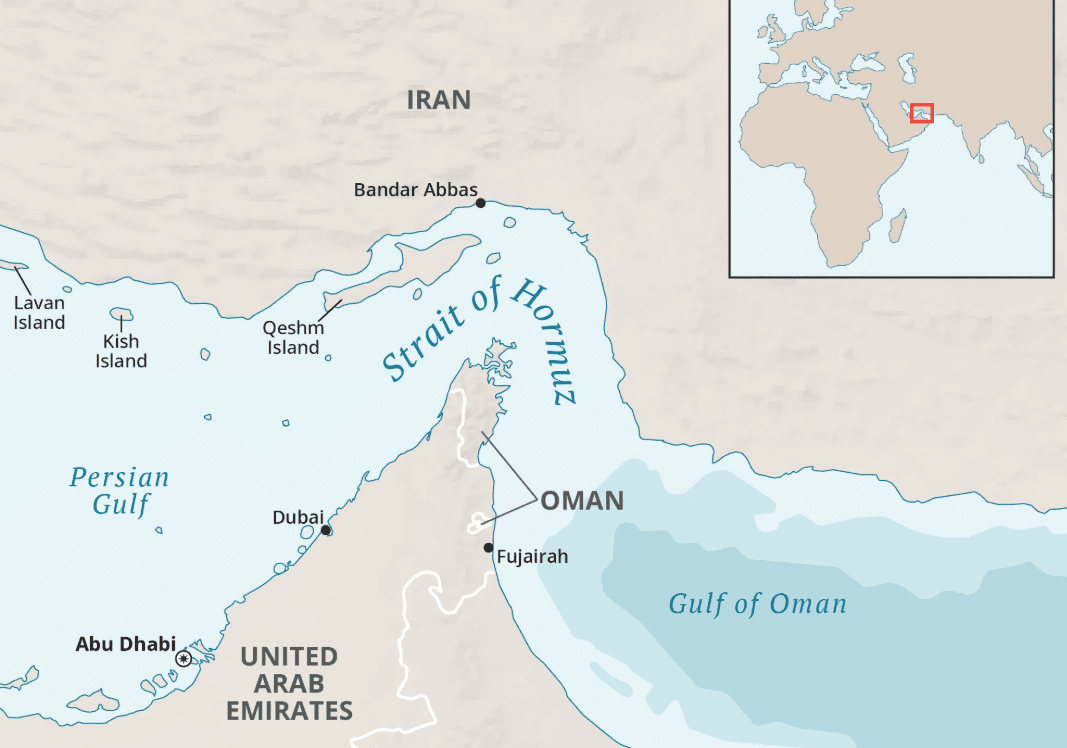
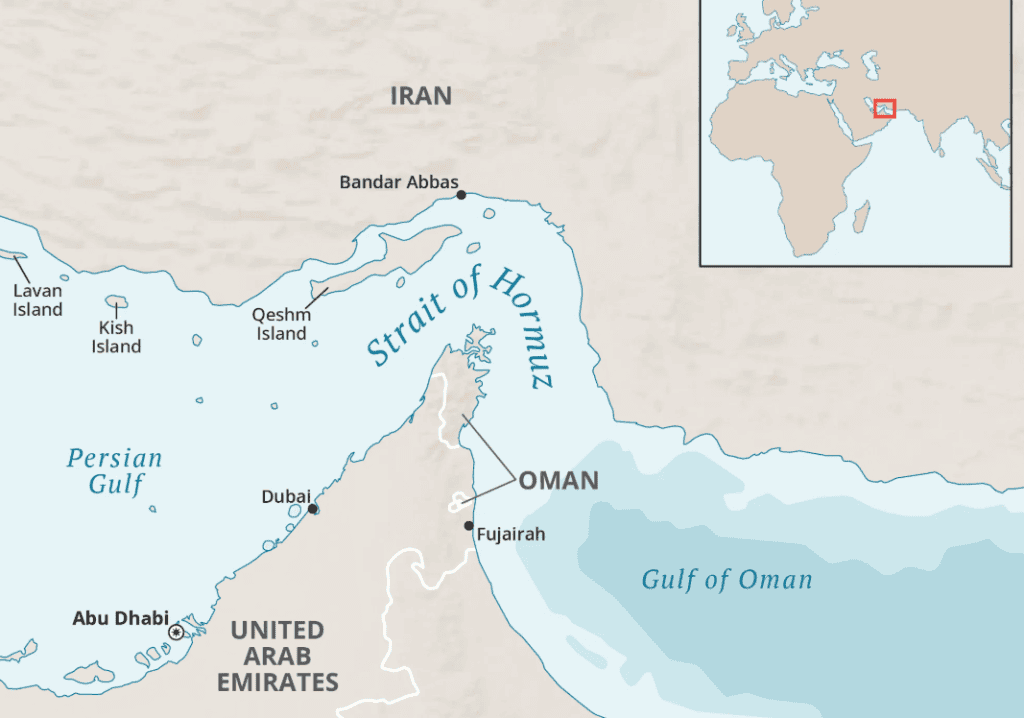
Located between Iran and Oman, the narrow waterway connects the Persian Gulf to the Arabian Sea. Every day, millions of barrels of crude oil and liquefied natural gas pass through the strait, supplying markets across Asia, Europe, and beyond.
Because so much of the world’s energy trade depends on uninterrupted access, even minor disruptions can send oil prices soaring and trigger economic uncertainty around the globe.
How the Latest Fighting Began
The current round of violence followed several suspected attacks on commercial vessels operating outside routes designated by Iran’s Islamic Revolutionary Guard Corps.
Washington responded by launching strikes against multiple military targets in southern Iran. Tehran quickly retaliated with missile and drone attacks aimed at American military bases across the Middle East.
The exchange marked one of the most serious escalations since both sides signed their ceasefire agreement only weeks earlier.
Meanwhile, US President Donald Trump declared that the memorandum of understanding had effectively collapsed, further reducing hopes for immediate de-escalation.
Understanding the Strait of Hormuz Dispute
Different Interpretations of the Agreement
The Strait of Hormuz dispute largely stems from differing interpretations of the ceasefire memorandum.
The agreement assigned Iran responsibility for clearing mines and supporting safe navigation. It also allowed ships to transit without fees during the first 60 days.
However, the document left several critical issues unresolved.
Iran argues that future shipping arrangements should be coordinated with Tehran and neighboring Gulf states. In contrast, the United States maintains that international shipping should continue without requiring Iranian approval.
This legal ambiguity has created competing interpretations that both governments believe support their respective positions.
Shipping Routes Become a Political Battlefield
The disagreement extends beyond legal language.
Several commercial vessels have reportedly traveled close to Oman’s coastline without coordinating with Iranian authorities. Tehran views these alternative routes as an attempt to bypass its role in managing maritime security.
From the American perspective, freedom of navigation remains a fundamental principle of international law.
As a result, routine commercial shipping has become entangled in a much larger geopolitical struggle.
Why Iran Wants Greater Control
For Iranian leaders, control over the Strait of Hormuz offers several strategic advantages.
First, it strengthens national security by providing leverage against future military action from the United States or Israel.
Second, greater oversight could eventually generate substantial revenue if transit fees become part of a future regional agreement.
Finally, maintaining influence over one of the world’s busiest energy corridors enhances Iran’s diplomatic position during negotiations with Western powers.
Many analysts believe Tehran now considers control of Hormuz to be one of its most valuable strategic assets, perhaps even more significant than aspects of its nuclear program in the short term.
The Global Economic Impact
The consequences of the Strait of Hormuz crisis extend well beyond the Middle East.
Earlier in the conflict, Iran temporarily closed the waterway following military strikes by the United States and Israel. The move immediately sent global oil prices sharply higher.
Fuel prices increased rapidly in several countries, contributing to inflation and renewed concerns about global economic stability.
Financial markets briefly recovered after the ceasefire reopened the shipping lane and eased concerns over energy supplies. Oil prices declined, shipping resumed, and investor confidence improved.
However, the latest military exchanges have once again injected uncertainty into international markets.
Energy traders now remain highly sensitive to every new development, knowing that further disruptions could once again tighten global oil supplies.
Other Regional Tensions Add Pressure
The Strait of Hormuz is not the only issue undermining the ceasefire.
Disagreements over Israeli military operations in southern Lebanon have also contributed to growing mistrust between Washington and Tehran.
The ceasefire framework envisioned a broader reduction in regional hostilities. Instead, ongoing military operations elsewhere have fueled accusations that parts of the agreement were never fully implemented.
This wider regional instability has made it increasingly difficult for either side to preserve the fragile diplomatic framework.
Domestic Politics Shape the Conflict
Political pressures inside both countries also influence decision-making.
Iran continues to struggle with high inflation, economic hardship, and the long-term effects of international sanctions. Government leaders must balance national security objectives with growing domestic economic challenges.
In the United States, rising fuel prices remain politically sensitive. Higher gasoline costs affect consumers directly and could influence public opinion ahead of upcoming congressional elections.
These internal pressures may discourage both governments from pursuing another prolonged military campaign, despite the escalating rhetoric.
Can Diplomacy Still Prevent a Larger War?
Despite the renewed fighting, many experts believe diplomacy has not completely failed.
The memorandum of understanding was designed to pause active combat and create space for negotiations. It was never intended to resolve every dispute between the two countries.
Instead, today’s confrontation reflects competing efforts to define how the agreement should be implemented.
Military exchanges may continue in the short term. Nevertheless, both Washington and Tehran have strong economic and political incentives to avoid a full-scale regional war.
Whether those incentives ultimately outweigh strategic ambitions remains uncertain.
Conclusion
The Strait of Hormuz has once again become one of the world’s most dangerous geopolitical hotspots. What began as differing interpretations of a ceasefire agreement has evolved into a broader struggle over security, sovereignty, and control of a vital global trade route.
As both the United States and Iran continue testing the limits of their fragile agreement, the stakes extend far beyond the Middle East. Global energy markets, international shipping, and regional stability all depend on preventing further escalation.
For now, the Strait of Hormuz dispute remains a powerful reminder that even temporary ceasefires can unravel quickly when fundamental disagreements remain unresolved.









Comments are closed.