
Fifteen years after the fall of Muammar Gaddafi, Libya remains divided between rival governments, competing militias, and foreign-backed factions. Now, the United States is leading a renewed diplomatic effort to reunify the country through an ambitious proposal that combines political power-sharing with economic incentives centered on Libya’s vast oil wealth.
The initiative is being led by Massad Boulos, a senior adviser to U.S. President Donald Trump on Middle Eastern and African affairs. His proposal seeks to persuade Libya’s rival administrations to form a unified government by offering the prospect of increased American investment in the country’s energy sector.
A country still divided
Since the 2011 NATO intervention that helped overthrow longtime leader Muammar Gaddafi, Libya has struggled to establish a stable central government.
Today, the country remains split between the internationally recognized Government of National Unity (GNU), based in Tripoli, and an eastern administration aligned with military commander Khalifa Haftar and his Libyan National Army (LNA). Each side controls different parts of the country while relying on separate military forces and political institutions.
This political division has also placed enormous pressure on Libya’s financial system, with the Central Bank attempting to finance two competing governments simultaneously.
Oil as the foundation for peace
According to details that have emerged publicly, the U.S. proposal would encourage major American energy companies to invest in Libya’s enormous oil reserves if both sides agree to govern together.
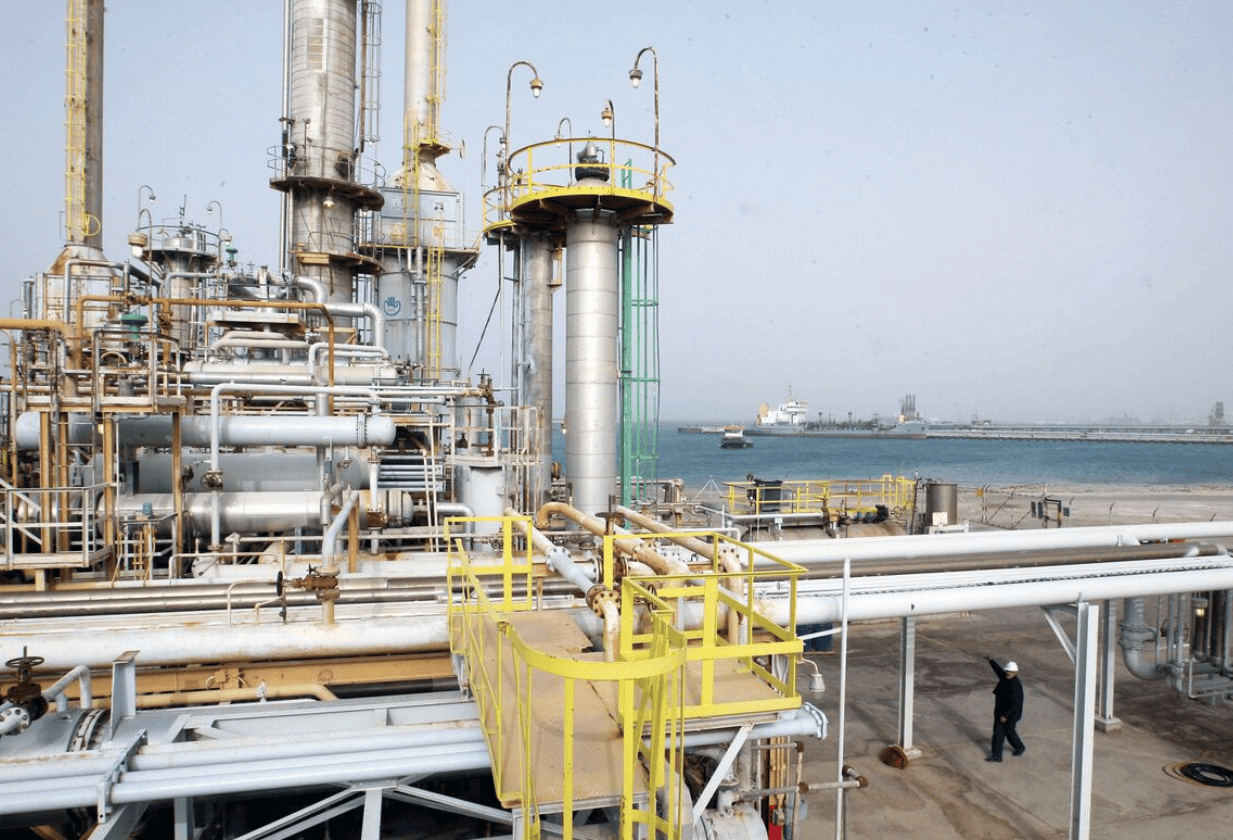
Libya possesses Africa’s largest proven oil reserves, producing more than 1.3 million barrels of oil per day. However, while the internationally recognized government signs international agreements, many of the country’s most valuable oil fields and export terminals remain under Haftar’s control.
Washington hopes that shared economic benefits could provide enough incentive for both sides to cooperate.
Leaked reports suggest the proposal could include a transitional power-sharing arrangement in which Prime Minister Abdul Hamid Dbeibah would remain head of government while Saddam Haftar, son of Khalifa Haftar, would take on a senior leadership role within a newly created governing structure.
Strategic interests beyond Libya
The initiative also reflects broader U.S. strategic priorities.
Libyan oil has become increasingly important as global energy markets continue to face uncertainty following instability in the Middle East and disruptions affecting international shipping routes.
A more stable Libya could provide Europe with an additional source of oil while also helping reduce irregular migration across the Mediterranean, another long-standing concern for European governments.
Progress remains uncertain
Some progress has already been made. Earlier this year, Libya approved its first unified national budget in more than a decade, demonstrating that limited cooperation between rival authorities is possible.
However, analysts caution that achieving a full political settlement will be far more difficult. Deep mistrust remains between both sides, while many Libyans fear that any agreement could simply reinforce the influence of existing power brokers rather than create genuine democratic institutions.
Questions also remain over whether Washington can provide sufficient guarantees to prevent either faction from attempting to dominate the country after any agreement is reached.
Although discussions continue, no final political settlement has been announced, leaving Libya’s future uncertain despite renewed international mediation.







Comments are closed.