
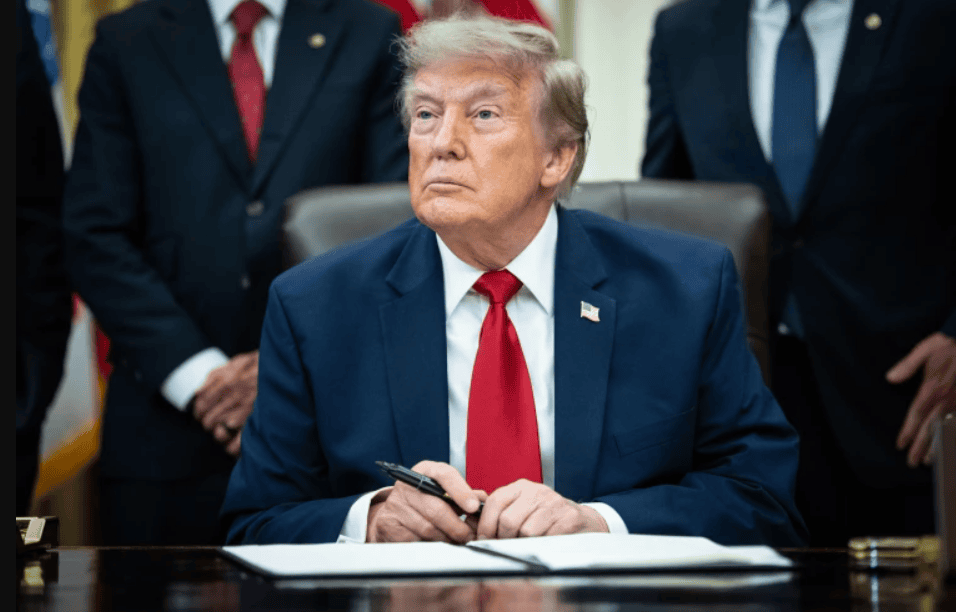
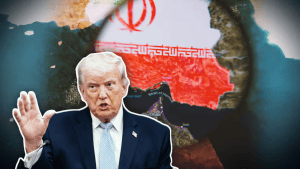
The conflict between the United States and Iran has entered a dangerous new phase after US President Donald Trump warned that Iranian bridges and power plants could become military targets unless Tehran returns to negotiations. His remarks came as both countries exchanged fresh military attacks, raising concerns about the risk of a broader regional conflict and renewed instability in global energy markets.
The latest escalation has also intensified fears over the future of the Strait of Hormuz, one of the world’s most strategically important shipping routes. As military operations continue and commercial traffic slows, governments and investors are closely watching developments that could have significant geopolitical and economic consequences.
Trump Threatens Iran With New Military Action
President Donald Trump delivered his latest warning during a televised interview, stating that Iran faces severe consequences if it refuses to resume diplomatic talks with the United States.
According to Trump, US negotiators informed Iranian officials that a new agreement remains the preferred outcome. However, he warned that military strikes targeting critical infrastructure could follow if diplomacy fails.
Trump said bridges and power plants could be targeted in the coming days, adding that energy facilities may eventually become military objectives as well. His comments marked another significant escalation in rhetoric after similar warnings earlier this year.
The threat immediately drew renewed attention to international humanitarian law, which prohibits deliberate attacks on civilian infrastructure that is essential for the survival of the civilian population.
International Concerns Over Civilian Infrastructure
Legal experts and international organizations have repeatedly warned that attacks on civilian infrastructure carry serious legal implications.
Earlier this year, United Nations Human Rights Chief Volker Türk emphasized that deliberately targeting civilians and essential civilian facilities could constitute a war crime under the Geneva Conventions.
Bridges, electrical grids, and power plants often provide critical services to civilian populations, making any military action involving such facilities highly controversial under international law.
Fighting Intensifies Across the Region
While diplomatic tensions continued to rise, military operations expanded across the Middle East.
US Central Command announced a series of strikes against multiple Iranian military targets near the Strait of Hormuz. Officials stated that the operation aimed to weaken Iran’s ability to threaten commercial shipping and civilian vessels operating in the area.
Iranian authorities reported casualties following the attacks, including several military personnel killed at a base in southeastern Iran.
At the same time, Iranian state media reported missile and drone attacks against US military positions in Jordan, Kuwait, and Bahrain. Regional defense forces later confirmed that multiple aerial threats had been intercepted before reaching their intended targets.
The exchange of attacks illustrates how quickly the confrontation has spread beyond the borders of Iran, increasing concerns among neighboring countries.
Strait of Hormuz Remains at the Center of the Crisis
Why the Strait of Hormuz Matters
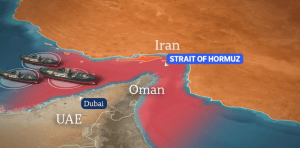
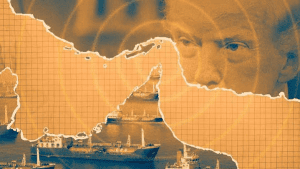
The Strait of Hormuz remains the central flashpoint in the ongoing confrontation.
Roughly one-fifth of the world’s oil supply passes through this narrow waterway, making it one of the most strategically important maritime routes on the planet. Any disruption to shipping can immediately affect global energy markets and international trade.
Recent shipping data indicates that tanker traffic through the strait has fallen sharply as commercial operators attempt to reduce exposure to military risks.
As uncertainty grows, energy traders have responded by driving oil prices higher amid fears that supplies could become more difficult to transport.
US Changes Course on Shipping Fees
Earlier, Trump proposed imposing a 20 percent charge on cargo moving through the Strait of Hormuz, arguing that the United States was providing security for international shipping.
However, the administration later abandoned the proposal. Instead, Trump announced that Gulf nations would pursue large-scale trade and investment agreements with the United States, replacing the planned shipping fee.
Although few details were released, Trump described the expected investments as substantial and beneficial for all parties involved.
Despite reversing the toll proposal, the administration resumed restrictions on Iranian maritime activity by reinstating a blockade of Iranian ports.
Iran Rejects US Pressure
Iranian officials strongly rejected Washington’s latest demands.
Deputy Foreign Minister Kazem Gharibabadi argued that increased military operations and economic pressure would not force Iran back to the negotiating table.
Tehran also insisted that it continues to play a central role in managing the Strait of Hormuz and criticized the renewed US naval blockade as a violation of previous understandings reached between the two countries.
Iran maintains that additional sanctions and military pressure only reduce the likelihood of meaningful diplomatic progress.
Commercial Shipping Faces Growing Risks
The conflict has increasingly affected civilian shipping operating throughout the Gulf region.
US military officials accused Iran of attacking several commercial vessels, claiming that civilian crew members had been killed, injured, or reported missing during recent incidents.
Separately, the United Arab Emirates stated that Iranian missiles struck two of its oil tankers, killing one crew member and injuring several others.
Iran’s Islamic Revolutionary Guard Corps later acknowledged attacking the vessels, claiming the ships had ignored navigation warnings and entered a dangerous maritime route.
Meanwhile, the family of an Indian sailor confirmed that he had died after an earlier attack on a commercial vessel near the coast of Oman. The remaining crew members were successfully rescued after their ship became disabled.
These incidents have heightened concerns among shipping companies, insurers, and governments that commercial vessels could increasingly become caught in the crossfire.
Oil Markets React to Rising Uncertainty
Global financial markets have responded quickly to the worsening security situation.
Brent crude oil prices climbed sharply as investors assessed the growing possibility of prolonged disruption to energy supplies.
The slowdown in tanker traffic has further fueled concerns that shipping delays could tighten oil availability if military operations continue.
Although energy markets have experienced similar periods of volatility before, prolonged instability in the Strait of Hormuz would likely have worldwide economic consequences.
Can Diplomacy Prevent a Wider Conflict?
Despite increasingly aggressive rhetoric from both Washington and Tehran, diplomatic channels have not been completely closed.
US officials continue to argue that negotiations remain possible, while Iran insists that meaningful dialogue cannot occur under military threats and economic pressure.
The current standoff highlights the fragile balance between diplomacy and military escalation. Every new strike increases the risk of unintended consequences that could draw additional regional powers into the conflict.
With international shipping under pressure, energy prices rising, and military operations expanding, the coming days may prove critical in determining whether the crisis moves toward renewed negotiations or a deeper confrontation.
Conclusion
The latest confrontation between the United States and Iran represents one of the most serious escalations in recent months. Trump’s warning of possible strikes on bridges and power plants has intensified international concern, particularly as military exchanges continue across the region.
At the same time, the strategic importance of the Strait of Hormuz means that any prolonged disruption could affect not only regional security but also global trade and energy markets. While diplomatic efforts remain on the table, both sides appear firmly committed to their positions, leaving the international community watching closely for the next developments.









Comments are closed.