
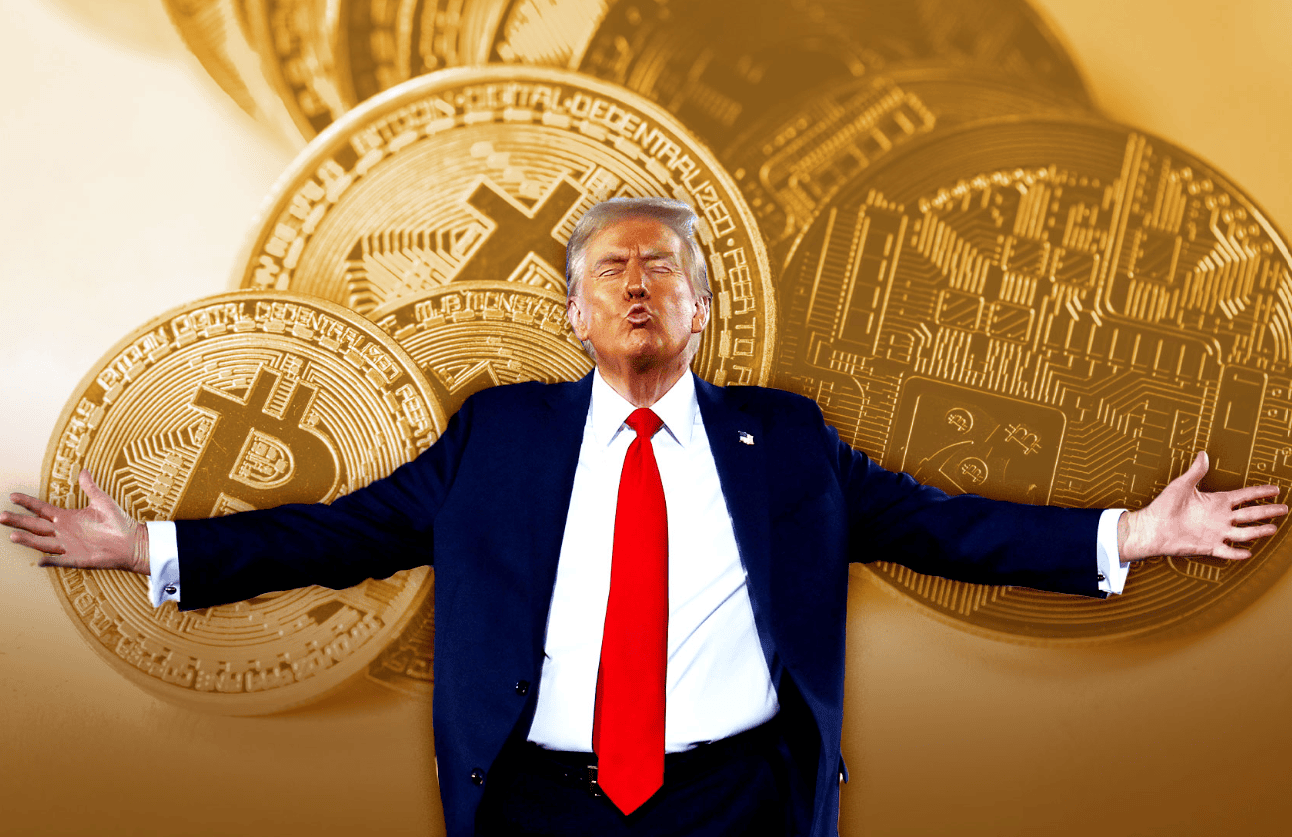
The Trump crypto deal with Pakistan has sparked global attention, not only because of its financial implications but also because of what it may reveal about modern diplomacy. A memorandum of understanding (MoU) signed between Pakistan’s Ministry of Finance and World Liberty Financial (WLF), a cryptocurrency company linked to the Trump family, has generated debate over whether the agreement was primarily about digital innovation or political access.
Although the partnership was announced with ambitious goals, months later there has been no public rollout of the proposed stablecoin initiative. Instead, analysts argue that the agreement may have delivered something even more valuable than cryptocurrency adoption: stronger diplomatic ties between Islamabad and Washington.
What Is the Trump Crypto Deal With Pakistan?
In January 2026, Pakistan’s Ministry of Finance signed an exploratory agreement with SC Financial Technologies, an affiliate of World Liberty Financial. The partnership aimed to examine whether the company’s dollar-backed stablecoin, USD1, could be used for cross-border payments and financial innovation.
The signing ceremony attracted considerable attention. Pakistan’s Prime Minister Shehbaz Sharif, Army Chief Field Marshal Asim Munir, Deputy Prime Minister Ishaq Dar, and Finance Minister Muhammad Aurangzeb attended the event alongside executives from World Liberty Financial, including Zach Witkoff, the son of Trump adviser Steve Witkoff.
At the time, the agreement appeared to signal Pakistan’s growing interest in blockchain technology and digital assets. However, nearly six months later, officials confirmed that no pilot programme had begun, no licences had been issued, and no transactions involving USD1 had taken place.
Why the Agreement Matters
Despite the lack of implementation, the agreement has remained politically significant.
Financial disclosures released in 2026 showed that World Liberty Financial generated more than $500 million from token sales in 2025, contributing substantially to the Trump family’s expanding cryptocurrency business.
Pakistan became one of the earliest governments to establish formal ties with the company, making the agreement notable far beyond the cryptocurrency industry.
Many observers believe the timing was no coincidence. Instead, they argue that Islamabad viewed the partnership as an opportunity to strengthen communication with the Trump administration during an increasingly complex geopolitical environment.
Could USD1 Transform Pakistan’s Financial System?
Understanding Stablecoins
Stablecoins are digital currencies designed to maintain a fixed value, usually by being backed by the US dollar or other reserve assets. Unlike more volatile cryptocurrencies, they are intended to provide faster and more predictable international payments.
USD1 is World Liberty Financial’s own stablecoin.
The business model is relatively straightforward. As more users hold and transact with the stablecoin, the company earns income from the reserves backing each token.
Pakistan Already Has a Strong Crypto Market
Pakistan has rapidly emerged as one of the world’s largest cryptocurrency markets. According to industry rankings, it has become one of the leading countries for crypto adoption, with millions of users participating in digital asset trading.
Much of this activity already relies on Tether’s USDT stablecoin rather than traditional banking services.
However, there is currently no evidence that USD1 has gained any practical use within Pakistan.
This raises an important question: if existing stablecoins already dominate the market, what additional value would USD1 actually provide?
The Remittance Challenge
One of the key arguments supporting the agreement involved overseas remittances.
Pakistan receives billions of dollars every year from citizens working abroad. These transfers play a vital role in supporting the country’s economy.
Recent figures have shown record-breaking remittance inflows, with more than $38 billion arriving during the previous financial year. Monthly transfers have also reached historic highs through official banking channels.
Because banking systems have become faster and more efficient, some financial experts question whether introducing another stablecoin would significantly improve international transfers.
Others point out that people who currently rely on informal payment methods often do so for reasons unrelated to technology, including taxation, regulation, or documentation requirements. In those cases, simply introducing USD1 would not necessarily encourage them to switch to formal banking systems.
Pakistan’s Crypto Regulations Continue to Develop
Although the stablecoin project has not moved forward, Pakistan has accelerated efforts to regulate digital assets.
The country passed the Virtual Assets Act earlier this year, creating the Pakistan Virtual Assets Regulatory Authority (PVARA). The regulator is responsible for licensing cryptocurrency businesses, supervising compliance, and enforcing penalties against unlicensed operators.
The State Bank of Pakistan has also taken steps to allow licensed crypto firms access to banking services.
Even so, the regulatory framework remains under development.
Licensing procedures are still being finalized, while major international exchanges continue waiting for full authorization before launching services.
Industry experts suggest that any nationwide stablecoin deployment would require several additional stages, including licensing, banking integration, pilot testing, and regulatory approval.
Diplomacy May Have Been the Real Objective
Political Access Instead of Financial Innovation?
For many analysts, the most important outcome of the Trump crypto deal with Pakistan may have been diplomatic rather than technological.
The agreement came during a period of shifting regional alliances and heightened geopolitical tensions involving Iran, India, and the United States.
Since then, relations between Pakistan and Washington appear to have strengthened considerably.
President Donald Trump hosted Pakistan’s Army Chief Field Marshal Asim Munir at the White House in an unprecedented meeting. Pakistan also positioned itself as a diplomatic intermediary during tensions involving Iran and the United States.
Officials connected with Pakistan’s digital asset strategy have publicly stated that the country’s crypto initiatives helped rebuild trust and open new channels of communication with Washington.
Although the White House has maintained that no conflict of interest existed, critics argue that the partnership blurred the line between commercial interests and international diplomacy.
Critics Call It “Pay for Access”
Some economists believe the memorandum had little practical value from a financial perspective.
Instead, they argue that it functioned primarily as a diplomatic instrument designed to improve Pakistan’s standing with the Trump administration.
According to this view, the absence of a working stablecoin project does not represent failure because the political objective was achieved through improved access to senior US officials and increased diplomatic engagement.
Others caution against drawing firm conclusions, noting that the agreement remains exploratory and that similar partnerships are common during the early stages of emerging technology development.
Without future implementation, however, it remains difficult to measure any direct economic benefits for Pakistani businesses or consumers.
What Comes Next?
The future of the partnership remains uncertain.
If Pakistan completes its cryptocurrency regulatory framework and licensed firms begin operating, projects involving stablecoins such as USD1 could eventually become possible.
At the same time, growing political scrutiny surrounding crypto-linked business ventures involving public officials may continue attracting international attention.
Whether the agreement ultimately delivers financial innovation or simply becomes a case study in crypto diplomacy will depend on what happens over the coming months.
Conclusion
The Trump crypto deal with Pakistan highlights how cryptocurrency is increasingly intersecting with international politics. While the promised stablecoin initiative has yet to materialize, the agreement appears to have strengthened diplomatic ties between Islamabad and Washington at a strategically important moment.
For now, the deal serves as a reminder that in today’s global landscape, digital assets are not only financial tools but also instruments of influence, diplomacy, and geopolitical strategy. Whether the economic benefits eventually match the political gains remains one of the biggest questions surrounding this high-profile partnership.









Comments are closed.