
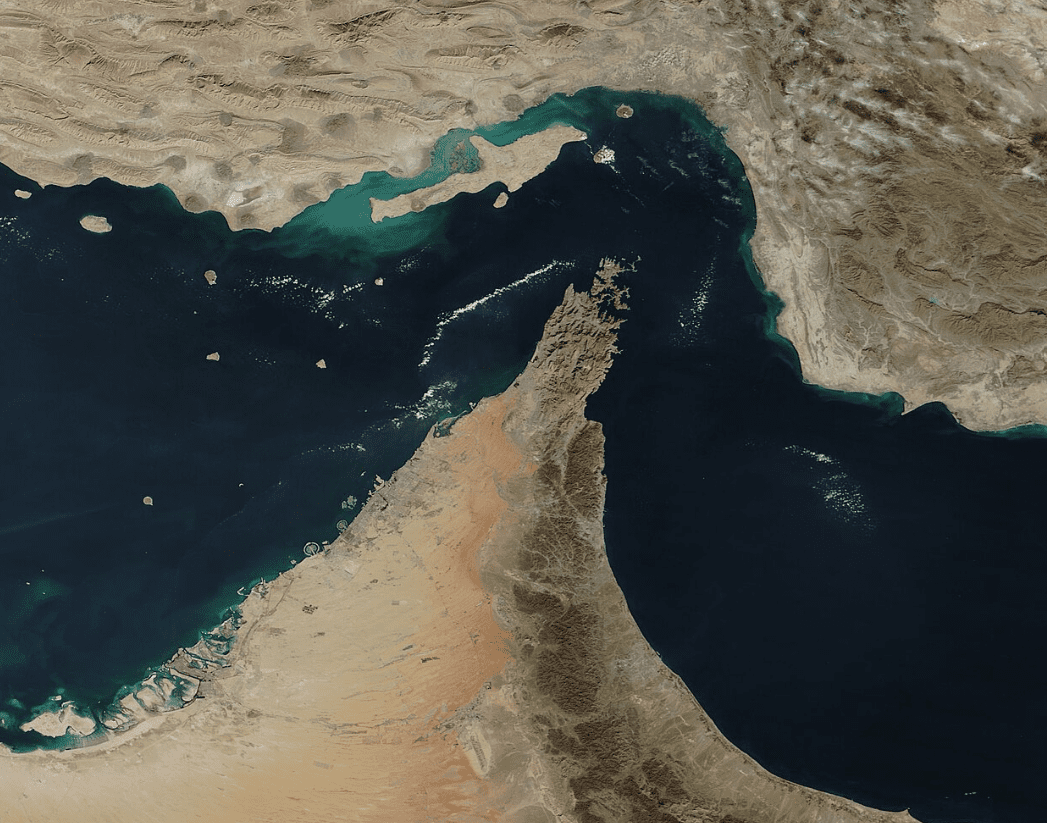
The reopening of the Strait of Hormuz was expected to bring immediate relief to global energy markets and international shipping routes. After months of conflict, the preliminary agreement between the United States and Iran appeared to signal the end of a crisis that had disrupted one of the world’s most important maritime corridors.
Oil prices quickly fell after the announcement, and financial markets welcomed the prospect of stability. Yet despite the diplomatic breakthrough, shipping traffic through the Strait of Hormuz remains surprisingly limited. Hundreds of vessels are still waiting on either side of the waterway, while shipping companies, insurers, and cargo operators continue to assess the risks.
The question now is no longer whether the Strait of Hormuz has reopened. Instead, industry leaders are asking a more important question: can ships safely return?
Why the Strait of Hormuz Matters to the Global Economy
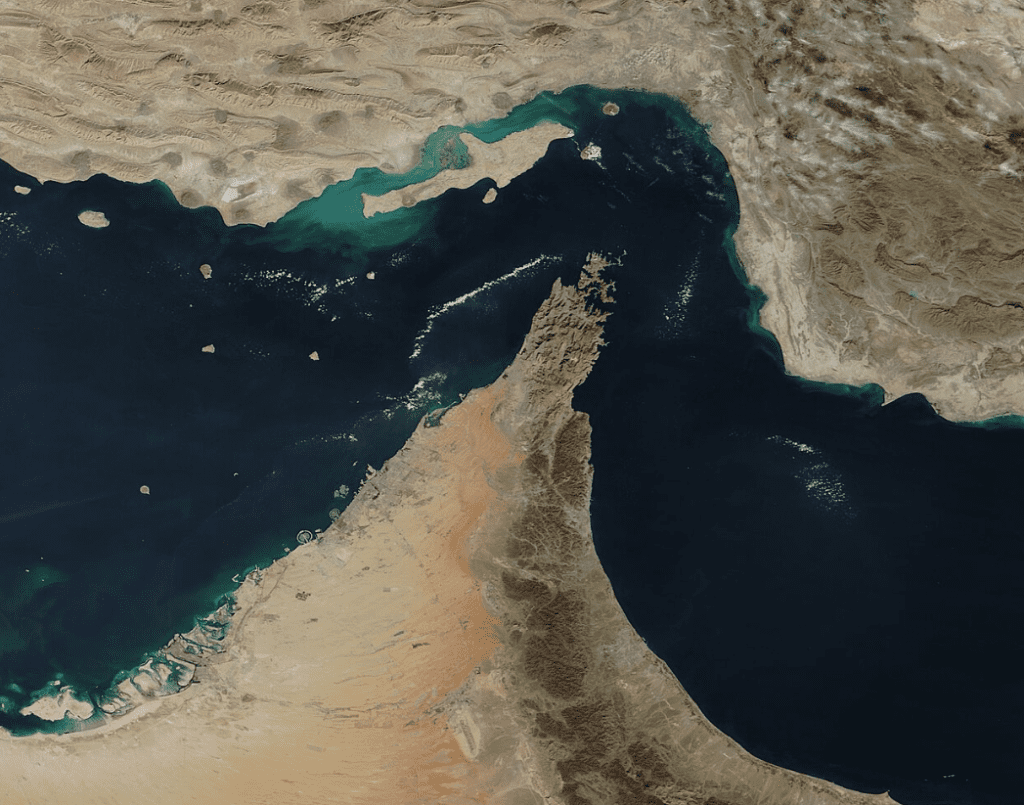
The Strait of Hormuz is one of the most strategically important waterways on Earth. Located between Iran and Oman, the narrow passage serves as a gateway for energy exports from the Gulf region to global markets.
Before the conflict erupted, roughly 120 to 140 ships traveled through the strait each day. Around half of those vessels were oil tankers transporting nearly 20 million barrels of crude oil daily.
Any disruption to traffic in the strait has immediate consequences for global energy prices, supply chains, and economic stability. When hostilities escalated and the waterway was effectively closed, energy markets experienced significant turbulence, creating what many analysts described as one of the most severe energy disruptions in recent history.
Now that a preliminary peace agreement has been reached, expectations for a rapid recovery remain high. However, reality on the water tells a different story.
Why Shipping Traffic Remains Slow
Although political leaders have declared the route open, shipping companies are not rushing back.
Only a small number of vessels have transited the strait since the reopening announcement. Meanwhile, hundreds of ships remain stranded or delayed, waiting for greater clarity about security conditions.
The primary reason is uncertainty.
Shipping operators have spent months navigating an environment marked by missile strikes, drone attacks, naval blockades, and direct threats to commercial vessels. While diplomatic negotiations have reduced tensions, many companies are unwilling to expose ships, cargo, and crews to potential danger before confidence is fully restored.
Industry experts note that trust in maritime security cannot be rebuilt overnight. Operators want evidence that the ceasefire will hold and that the risk of renewed conflict has genuinely diminished.
A Backlog of Delayed Ships
Another challenge is the massive backlog created during the closure.
Hundreds of vessels accumulated on both sides of the strait during the conflict. As traffic gradually resumes, ports, terminals, and logistics networks must process delayed cargo while managing new arrivals.
Many industries have also experienced production slowdowns due to disrupted supply chains and limited storage capacity. Damaged infrastructure in some areas further complicates the return to normal operations.
As a result, analysts believe it could take several months before shipping volumes return to pre-conflict levels.
The Mine Threat Continues to Worry Operators
One of the most significant concerns involves the possibility of underwater mines.
Throughout the conflict, reports circulated that parts of the waterway may have been mined. Although officials continue to debate the extent of the threat, even the possibility of unexploded mines creates a major obstacle for commercial shipping.
Maritime insurers and shipowners typically view mines as one of the highest-risk hazards in any conflict zone. A single incident could cause severe damage, environmental consequences, and loss of life.
Consequently, shipping companies are demanding verified mine-clearing operations before resuming regular transit schedules.
Safety Verification Takes Time
Mine detection and removal is a complex process.
Specialized naval teams must survey shipping lanes, identify potential hazards, and confirm safe corridors for commercial traffic. Even under ideal conditions, these operations can take weeks or months.
Until shipping companies receive reliable confirmation that major routes are secure, many operators are expected to remain cautious.
For cargo owners, the delay may be frustrating. However, from a risk management perspective, caution remains the preferred strategy.
The Growing Debate Over Transit Fees
Another issue creating uncertainty is the possibility of new transit-related charges.
Historically, ships passing through the Strait of Hormuz have enjoyed free navigation rights. However, during the conflict, Iranian authorities suggested that vessels could be required to pay fees linked to security coordination and safe passage services.
This proposal has sparked debate among regional governments and maritime experts.
Critics argue that any fee resembling a transit toll could undermine established principles of freedom of navigation. Supporters, meanwhile, contend that providing security and coordination services justifies compensation.
A Potential Source of Future Tension
Even if the immediate conflict subsides, disagreements over navigation fees could create future diplomatic friction.
Major Gulf states and Western governments are likely to scrutinize any new payment system closely. Shipping companies, meanwhile, will be watching carefully to determine how additional costs could affect operating expenses and freight rates.
For now, uncertainty surrounding these potential charges adds another layer of complexity to an already fragile recovery process.
Insurance Costs Remain a Major Barrier
Beyond physical security concerns, insurance remains one of the biggest obstacles facing the shipping industry.
War-risk insurance premiums soared during the conflict as underwriters responded to growing threats in the region. In some cases, coverage became prohibitively expensive or unavailable altogether.
Although rates have eased since the announcement of the preliminary agreement, they remain far above historical norms.
Why Insurers Are Proceeding Carefully
Insurance companies evaluate risk based on both current conditions and future uncertainty.
Even without active attacks, insurers must account for factors such as:
- Potential ceasefire violations
- Unexploded mines
- Political instability
- Military activity in surrounding waters
- Risks to crew safety
As a result, many underwriters continue to adjust premiums on a daily basis.
Higher insurance costs ultimately increase transportation expenses for energy producers, commodity exporters, and global businesses that rely on maritime trade.
What Happens Next?
The future of the Strait of Hormuz depends largely on the durability of the ongoing peace process.
If negotiations continue successfully and security conditions improve, confidence among shipowners and insurers will gradually return. Traffic levels should increase, insurance costs may decline, and supply chains could begin normalizing.
However, the situation remains delicate.
Maritime experts emphasize that reopening a waterway is only the first step. Establishing confidence, verifying security, and rebuilding commercial trust require far more time.
For now, the Strait of Hormuz remains open in principle, but the shipping industry is still operating with caution.
Conclusion: The Strait of Hormuz Reopens, But Challenges Remain
The reopening of the Strait of Hormuz marks a significant milestone in efforts to stabilize global trade and energy markets. Yet the return to normal shipping operations will not happen overnight.
Concerns over mines, insurance costs, security guarantees, and potential transit fees continue to influence decision-making across the maritime sector. While political leaders celebrate the breakthrough, shipping companies are focused on practical realities and long-term safety.
Ultimately, the Strait of Hormuz reopens with enormous economic importance, but restoring confidence among shipowners, insurers, and global markets may take months rather than days. Until then, the world’s most critical shipping corridor remains a symbol of both renewed hope and lingering uncertainty.













Comments are closed.