
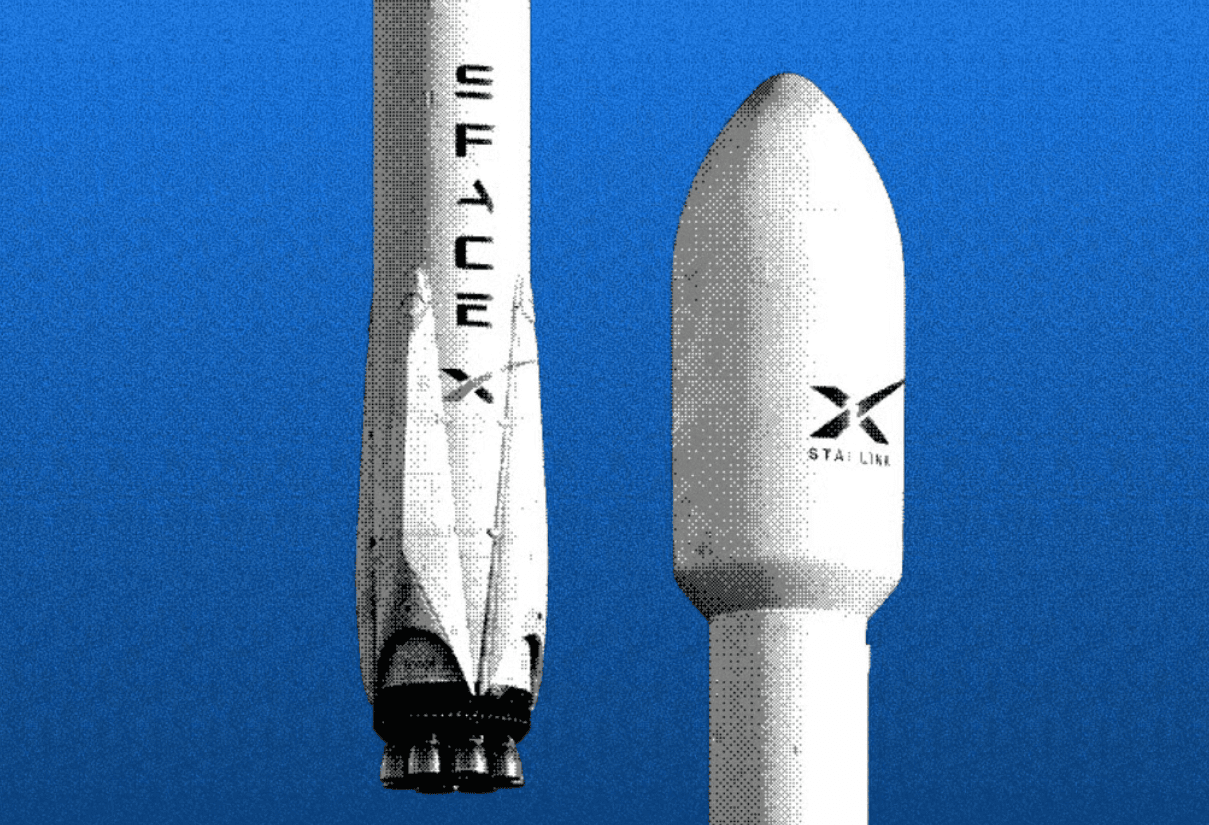
A SpaceX rocket segment has reportedly crashed into the Moon after drifting through space for more than a year, drawing global attention to the growing challenge of space debris and the future of lunar exploration. While the impact posed no threat to Earth, it has reignited discussions about how space agencies and private companies manage leftover rocket hardware beyond Earth’s orbit.
Scientists expect the collision to leave a fresh crater on the lunar surface and provide valuable scientific observations. At the same time, the incident highlights an increasingly important issue as humanity prepares for a new era of regular missions to the Moon.
SpaceX Rocket Segment Believed to Have Hit the Moon
Astronomers believe the upper stage of a SpaceX Falcon 9 rocket struck the Moon at approximately 5,400 mph (8,690 km/h). The impact was expected to occur on the Moon’s far western region near Einstein Crater, an area that is difficult to observe directly from Earth.
Although the collision itself was not visible to the naked eye, researchers monitoring the event with powerful telescopes are expected to confirm the impact after analyzing returning observations. Because the Moon is nearly 384,400 kilometers (238,855 miles) away, confirmation requires time as data and images are collected and processed.
The rocket stage, weighing roughly 4 metric tonnes, likely created a cloud of lunar dust and a new impact crater. Scientists hope the event will offer useful insights into how the Moon’s surface reacts to high-speed collisions.
Where Did the Rocket Come From?
The object originated from a SpaceX Falcon 9, one of the world’s most frequently launched reusable rockets.
Falcon 9 consists of two primary stages:
- First stage: Returns to Earth after launch and is designed for reuse.
- Second stage: Continues carrying payloads toward their intended destinations before completing its mission.
Why the Second Stage Never Returned
Most Falcon 9 second stages eventually re-enter Earth’s atmosphere, where they burn up safely or are directed into remote ocean areas.
However, this particular mission required considerably more energy than a typical Earth-orbit launch. After deploying two lunar landers during a mission launched from Florida in January 2025, the upper stage remained in deep space because it lacked enough fuel to perform a controlled disposal maneuver.
Once its fuel was exhausted, the rocket segment became an uncontrolled object influenced entirely by gravity and solar forces.
How Did the Rocket End Up on a Collision Course?
Initially, there was no expectation that the rocket would collide with the Moon.
Months after the mission ended, astronomers studying its trajectory determined that gravitational interactions and solar radiation pressure had gradually altered its orbit. These natural forces slowly nudged the inactive rocket stage onto a path that intersected with the Moon.
SpaceX has explained that disposal procedures for high-energy missions were carried out according to current regulations. Even so, the unpredictable nature of long-term orbital mechanics ultimately changed the object’s course.
The incident illustrates how difficult it can be to predict the future paths of spacecraft operating far beyond Earth’s immediate orbit.
Is the Moon Impact Dangerous?
For people on Earth, the answer is simple: no.
The Moon is regularly struck by natural meteoroids traveling at tremendous speeds, making impacts a routine part of its geological history. Compared with those natural events, the Falcon 9 rocket stage represents only a minor addition.
There is also no possibility that debris from the impact could threaten Earth. The Moon’s gravity ensures that material blasted from the collision remains in the lunar environment.
Nevertheless, scientists are paying close attention because understanding impact behavior becomes increasingly important as future missions target the lunar surface.
Why the Incident Matters for Future Moon Missions
The Moon is rapidly becoming a destination for sustained exploration rather than occasional visits.
Government agencies and commercial companies are planning lunar bases, robotic science stations, communication satellites, and regular astronaut missions over the coming decade. As activity around the Moon increases, managing discarded spacecraft components will become far more important.
Growing Concerns About Lunar Space Debris
Although Earth orbit receives most attention when discussing space junk, cislunar space, the region between Earth and the Moon, is becoming increasingly crowded.
Uncontrolled rocket stages and inactive spacecraft could eventually create hazards for:
- Lunar orbiters
- Scientific instruments
- Future astronaut missions
- Landing vehicles
- Communications infrastructure
This event has strengthened calls for improved disposal strategies that prevent abandoned spacecraft from becoming long-term navigation risks.
The Bigger Issue of Space Debris
The Moon collision is only one example of a much larger challenge facing the global space industry.
According to the European Space Agency, more than 46,000 tracked pieces of space debris currently orbit Earth, with a combined mass of roughly 17,000 tonnes. These objects include old satellites, discarded rocket stages, fragments from collisions, and debris created during decades of launches.
Every active satellite must continuously avoid potential collisions with this growing cloud of artificial objects.
Rocket launches also have environmental implications. Researchers continue studying how emissions from launches affect the upper atmosphere, including ozone chemistry and atmospheric warming caused by soot particles. Although launches remain relatively infrequent compared with other human activities, increasing launch rates have made the topic an active area of scientific research.
Have Rockets Crashed Into the Moon Before?
Artificial impacts on the Moon are uncommon but not unprecedented.
Several missions have intentionally or unintentionally collided with the lunar surface over the past few decades.
Notable examples include:
- NASA’s LCROSS mission (2009): Scientists deliberately crashed a rocket stage into the Moon to analyze material thrown into space and search for water ice.
- Apollo-era Saturn V stages (1970s): NASA intentionally directed several rocket stages into the lunar surface to study moonquakes.
- Chinese rocket stage (2022): A discarded booster unintentionally struck the Moon after completing a lunar mission.
- Failed lunar landers: Russia’s Luna-25, India’s Chandrayaan-2 lander, and Israel’s Beresheet spacecraft all crashed while attempting lunar landings.
Each event has provided scientists with valuable data about lunar geology, impact mechanics, and spacecraft operations.
What Scientists Hope to Learn
Although the collision itself was accidental, researchers view it as an opportunity to collect new information.
By examining the resulting crater, dust plume, and surrounding terrain, scientists can improve computer models that explain how impacts reshape the lunar surface. These observations may also help mission planners better understand the effects that future accidental impacts could have on equipment operating on or around the Moon.
The event additionally serves as a reminder that responsible spacecraft disposal is becoming an essential part of space exploration as more nations and private companies expand their presence beyond Earth.
Conclusion
The SpaceX rocket segment that crashed into the Moon represents far more than an isolated incident. While it posed no danger to Earth, it underscores the growing importance of managing space debris as lunar exploration accelerates.
As governments and commercial space companies prepare for permanent operations around the Moon, every mission will require careful planning not only for launch and landing but also for what happens after the mission ends. This unexpected lunar impact offers scientists a valuable research opportunity while reminding the global space community that sustainable exploration extends well beyond Earth’s orbit.
















Comments are closed.