
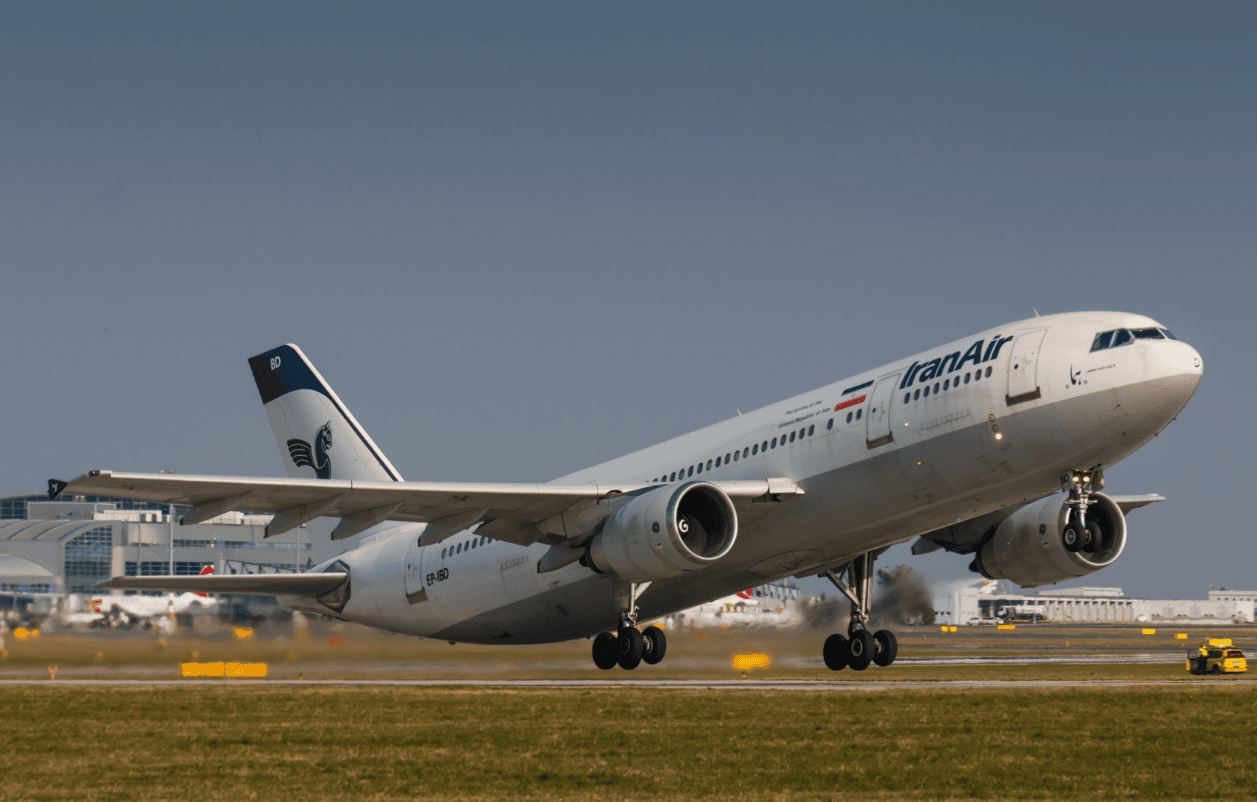
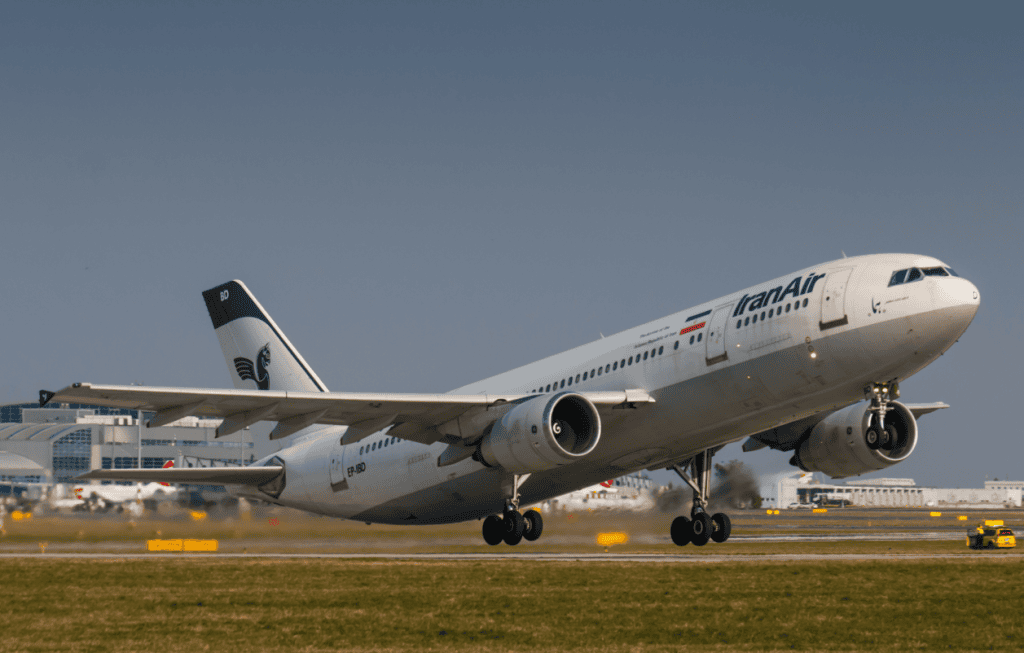
The US sanctions on Iranian airlines are entering a new phase, with US Treasury Secretary Scott Bessent warning that Iranian carriers could be effectively shut out of international operations from September 23. The threat extends beyond the airlines themselves, targeting the airports, fuel suppliers, ticketing companies and other service providers that help them operate abroad.
The announcement comes as Washington intensifies its economic pressure on Tehran and Iran’s already weakened aviation industry faces years of sanctions, aging aircraft and disruption linked to the ongoing conflict. For travelers, the consequences could include fewer flights, higher fares, longer journeys and greater reliance on foreign airlines and regional transit hubs.
How Could US Sanctions Shut Down Iranian Airlines?
The United States cannot simply close foreign airspace to Iranian aircraft. Instead, Washington is seeking to make international operations increasingly difficult by putting pressure on the companies that Iranian carriers need to function outside the country.
Bessent said companies that provide fuel, landing services or ticket sales to Iranian airlines could face consequences that restrict their access to the US financial system. In practical terms, the strategy relies on the global importance of the US dollar and the financial networks connected to it.
This is an example of secondary sanctions. Rather than targeting only an Iranian company, secondary sanctions can create risks for foreign businesses that continue to provide services to a sanctioned entity.
That could affect a much wider aviation network, including airport operators, ground handlers, fuel companies, travel agents and financial institutions.
What Does Being Cut Off From the Dollar System Mean?
Bessent’s warning that supporting companies could be “knocked out of the dollar system” refers to restrictions on their ability to access US-linked financial channels and conduct dollar transactions.
For an international aviation business, that can create a serious commercial dilemma. A company may technically be able to serve an Iranian aircraft, but doing so could expose it to US sanctions and potentially jeopardize other international business.
The result is that sanctions can reach far beyond the original target.
Iran’s Airlines Were Already Under Heavy Pressure
Iran’s aviation industry has faced restrictions for decades. US sanctions have made it difficult for Iranian carriers to obtain newer aircraft, spare parts, maintenance services and other aviation technology.
The pressure intensified on September 8, when the US Treasury announced sanctions against 27 Iranian airlines as part of a broader action targeting 36 aviation-related entities. The US said the measures were intended to disrupt networks it accused of supporting the movement of weapons, personnel and illicit cargo. The Times of India+1
Major Iranian carriers include Mahan Air, Iran Air and Qeshm Air, alongside a number of smaller operators.
Mahan Air has one of the country’s broadest international networks. However, the airline recently suspended services involving Istanbul, Ankara and Muscat after additional pressure was placed on companies accused by Washington of supporting Iran’s aviation sector.
Iran Air, the national flag carrier, has also seen its international network shrink dramatically compared with its former European reach.
The industry’s problems are therefore not starting with the latest announcement. The new measures are adding another layer of pressure to a sector that has already been operating under severe constraints.
Which Airports and Destinations Could Be Affected?
The impact could be felt well beyond Iran.
Iranian airlines operate or have operated international services connecting the country with destinations across the Middle East, South Asia and Asia. Important markets include Iraq, Türkiye, the United Arab Emirates, India, Pakistan and China.
Among the airports potentially affected are major hubs such as Istanbul, Baghdad, Najaf, Dubai, New Delhi, Lahore and several Chinese destinations.
The consequences could also extend to aviation companies that never operate an Iranian airline themselves. If a carrier needs fuel, aircraft handling, airport services or ticket distribution in another country, those supporting businesses become part of the sanctions equation.
That is why the latest US warning is broader than a conventional airline ban.
Will Other Countries Follow Washington?
One of the biggest uncertainties is how governments and businesses outside the United States will respond.
The economic relationships between Iran and its neighbors vary considerably. Iraq has extensive social, religious and economic links with Iran, while Pakistan shares a long border and significant commercial and cultural connections with its neighbor.
China is another important factor. Beijing has criticized unilateral US sanctions and has maintained economic and political ties with Tehran. Analysts cited by Al Jazeera have suggested that China and Russia could be among the countries least willing to follow Washington’s demands.
Türkiye and the UAE face their own economic calculations because of their important aviation and tourism connections with the region.
That means implementation may not look identical in every country. Some airports, airlines and service providers could decide that avoiding US sanctions is more important than continuing business with Iranian carriers, while others may resist or seek exemptions.
What Does This Mean for Iranian Travelers?
For ordinary passengers, the most immediate concern is access.
Iran’s international aviation capacity has already declined sharply. The latest restrictions could make it harder for Iranian carriers to maintain routes, particularly where they depend on foreign airports and aviation-service companies.
Travelers may therefore have to rely more heavily on foreign airlines, connecting through major regional hubs or traveling overland to neighboring countries before continuing their journeys.
Why Iranian Airfares Could Rise
Reduced capacity can put upward pressure on ticket prices, particularly when demand remains strong but fewer seats are available.
Iranian economist Nader Habibi told Al Jazeera that airline prices had already risen substantially in recent weeks, while aviation consultant Mazen Sammak said travelers could increasingly turn to alternative routes through neighboring countries.
Those alternatives, however, can add costs and inconvenience. A journey that previously required one direct flight could become a combination of flights, ground transportation and longer connections.
Regional hubs such as Istanbul, Dubai, Doha and Muscat could consequently become more important for travelers trying to reach destinations that Iranian carriers can no longer serve directly.
Iran’s Aging Fleet Adds Another Problem
Sanctions do not only affect where Iranian aircraft can fly. They can also affect whether those aircraft remain operational.
Iran has struggled for years to obtain modern aircraft and replacement parts. If foreign maintenance companies, suppliers or other aviation businesses become more cautious about working with Iranian carriers, keeping older aircraft in service could become even harder.
Analysts cited by Al Jazeera have warned that disruptions to maintenance and support services could ground a significant portion of the operational fleet.
That creates a potentially difficult cycle: fewer aircraft mean fewer available seats, fewer seats can mean higher fares, and higher operating costs can make an already constrained aviation system even less sustainable.
The Bigger Economic Impact
The consequences extend beyond airline passengers.
International aviation supports hotels, tourism businesses, airports, travel agencies, cargo operators and other service industries. A reduction in Iranian international flights can therefore affect businesses in countries that receive Iranian passengers.
At the same time, travelers who cannot find affordable air connections may shift to land routes or alternative regional hubs.
The full impact will depend on how aggressively foreign governments and companies enforce the US measures, whether exemptions emerge and how Iranian carriers adapt.
What Happens Next?
The key date is September 23, 2026, when Bessent said the new pressure would effectively shut Iranian airlines out of global operations. His statement describes Washington’s intention, but the practical outcome will depend on decisions made by foreign airports, fuel suppliers, ticketing companies, financial institutions and governments.
For Iranian travelers, the immediate outlook is one of uncertainty. Direct routes may become harder to maintain, alternative connections could become more expensive and regional hubs may take on a larger role.
Ultimately, the US sanctions on Iranian airlines are designed to put pressure on an entire aviation ecosystem rather than simply preventing individual carriers from flying. How effectively that strategy works will depend not only on Washington’s enforcement power, but also on how other countries and international aviation companies respond.












Comments are closed.