
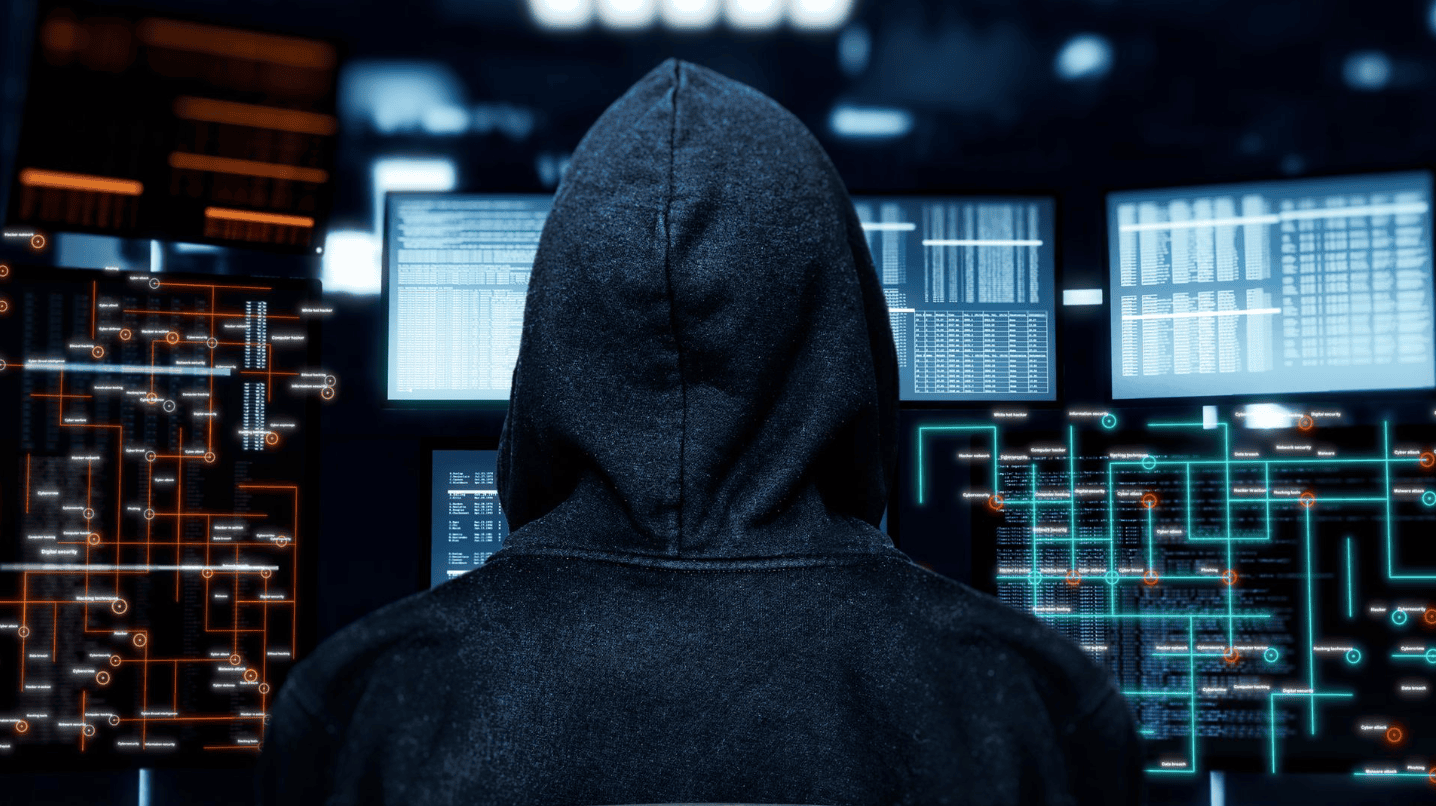
A cyberattack targeting supermarket freezers has highlighted a growing weakness in modern technology: everyday devices connected to the internet can become potential entry points for hackers. As retailers across Europe investigate attacks affecting refrigeration systems, concerns are increasing about the security of industrial equipment, smart home appliances, vehicles and critical infrastructure.
The incidents demonstrate how cybersecurity threats are no longer limited to computers, smartphones and corporate networks. Increasingly, the technology responsible for keeping food fresh, regulating building temperatures and operating essential services is also connected to the internet. While remote connectivity offers convenience and efficiency, it introduces risks that businesses and consumers cannot afford to ignore.
How Supermarket Freezers Became a Cybersecurity Concern
Supermarkets depend on sophisticated refrigeration systems to maintain safe temperatures and protect perishable products. Many modern installations use internet-connected controls that allow engineers and facility managers to monitor equipment, adjust settings and identify technical problems remotely.
However, these capabilities can create security weaknesses when systems are not properly protected.
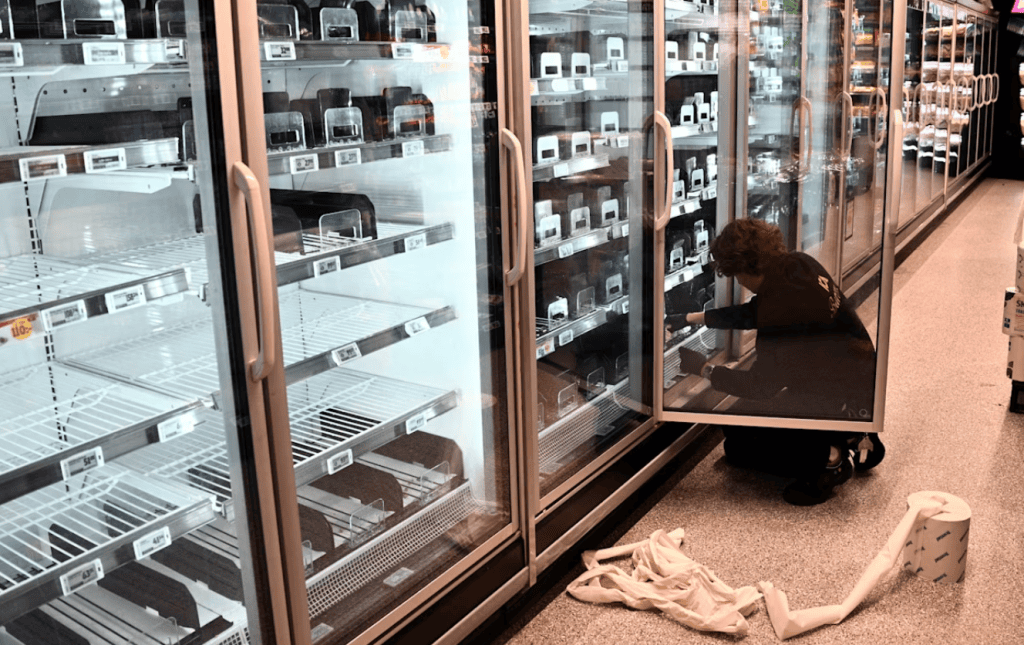
Recent cyber incidents affecting supermarkets across Europe have reportedly disrupted refrigeration equipment, causing freezer temperatures to rise dramatically. In some locations, temperatures were reported to reach as high as 50 degrees Celsius, leaving retailers facing damaged food supplies and significant operational disruption.
The incidents have raised questions about how attackers might exploit connected industrial equipment.
A compromised refrigeration controller, for example, could allow an attacker to interfere with legitimate functions such as temperature regulation and defrosting. Instead of simply disrupting a computer system, such interference could cause physical damage, destroy inventory and create additional costs for retailers.
Importantly, the incidents do not establish that ordinary household refrigerators are being targeted. Nevertheless, they illustrate the broader risks associated with internet-connected devices.
Why Internet-Connected Devices Can Become Security Risks
The Internet of Things (IoT) refers to physical devices equipped with sensors, software and network connectivity that allow them to exchange information or receive remote commands.
This technology is increasingly common in everyday life.
Smart refrigerators, heating systems, washing machines, security cameras and industrial controllers can all connect to online networks. Businesses also use connected equipment to monitor manufacturing processes, manage warehouses and control building environments.
Although these systems offer considerable benefits, every internet connection introduces another potential security consideration.
Three common weaknesses deserve particular attention:
1. Weak Passwords and Poor Authentication
Some connected devices rely on passwords that are easy to guess or have not been changed from their original settings.
Without strong authentication, attackers may find opportunities to access systems that should remain restricted.
Multi-factor authentication provides an additional layer of protection by requiring users to verify their identity through another method.
2. Outdated Software and Security Updates
Manufacturers regularly release software updates to address security vulnerabilities and improve device performance.
However, not every business or household installs these updates promptly. Older equipment may also stop receiving manufacturer support, leaving known weaknesses unresolved.
Consequently, maintaining connected technology requires more than purchasing a reputable product. Regular maintenance and security updates are equally important.
3. Exposed Internet Connections
Industrial control systems are sometimes designed for remote monitoring and maintenance.
If these interfaces are accessible through the public internet without appropriate safeguards, they may attract unwanted attention from cybercriminals.
UK cybersecurity researchers have identified more than 800 refrigeration and building-control interfaces associated with British retailers that were accessible online.
This does not mean all those systems were compromised or could necessarily be controlled by attackers. However, unnecessary internet exposure can increase the opportunities for attempted intrusions.
Could Smart Home Appliances Also Be Hacked?
The supermarket incidents have renewed interest in the security of household appliances.
Smart technology is now found in refrigerators, thermostats, washing machines, ovens and home security systems. These products can make everyday tasks easier by allowing users to monitor and control equipment remotely.
However, connected functionality also means that manufacturers must consider cybersecurity throughout a product’s lifecycle.
There have been previous demonstrations of vulnerabilities in consumer appliances. In 2015, researchers identified a security weakness involving a Samsung smart refrigerator that could potentially allow internet traffic to be intercepted.
Such demonstrations highlight why connected appliances need proper security protections.
Nevertheless, it is important to distinguish between a theoretical vulnerability and an actual cyberattack. There is no established evidence that the European supermarket incidents involved hackers targeting household refrigerators.
For consumers, the most sensible approach is to use connected appliances responsibly rather than avoid smart technology altogether.
Cars, Power Plants and Water Supplies Face Similar Challenges
The risks associated with connected technology extend well beyond supermarkets and homes.
Modern vehicles increasingly depend on software, wireless communication and connected entertainment systems. In 2015, security researchers demonstrated that they could remotely compromise a Jeep through vulnerabilities associated with its internet-connected entertainment system.
The demonstration prompted improvements in vehicle cybersecurity and highlighted the importance of protecting systems that interact with physical controls.
Critical infrastructure presents another important concern.
Electricity networks, water treatment facilities and industrial plants use connected equipment to monitor operations and manage essential processes. Remote access allows engineers to respond more efficiently to problems, but security failures could have serious consequences.
Cybersecurity expert Ken Munro has highlighted differences in protection standards across countries. Although many UK utilities have established security measures, smaller operators with limited resources may struggle to replace outdated equipment or maintain modern protections.
Manufacturing facilities and transport networks face comparable challenges.
The central issue is that a cyberattack against operational technology can affect physical processes, not simply digital information. Depending on the system involved, the consequences could include interrupted services, damaged equipment and costly recovery operations.
What Governments and Businesses Are Doing to Improve Security
Growing concerns about connected devices have encouraged governments and industry organisations to strengthen cybersecurity requirements.
In the United Kingdom, regulations introduced in April 2024 established minimum security requirements for certain consumer connectable products.
These requirements include protections relating to default passwords, vulnerability reporting and the publication of information about security updates.
The objective is to make connected products safer before they reach consumers, rather than placing the entire responsibility on individual users.
Retailers are also under pressure to improve their cyber resilience.
Following previous attacks on major UK supermarkets, including M&S and the Co-op in May 2025, the potential consequences of digital disruption became particularly visible. Supply chain problems and difficulties maintaining product availability affected customers and businesses.
Industry representatives have since emphasised the importance of sharing threat intelligence and working with national cybersecurity authorities.
Another important question concerns responsibility for connected equipment.
When a supermarket installs refrigeration technology supplied and maintained by an external contractor, who is responsible for protecting its digital connections?
Cybersecurity experts argue that businesses must establish clear ownership of security responsibilities, not simply assign responsibility for repairing faulty equipment.
Practical Steps to Protect Connected Devices
Although manufacturers and businesses have an important role to play, consumers can also reduce their exposure to cybersecurity threats.
The following measures provide a useful starting point:
- Install security updates: Keep device software and firmware up to date to address known vulnerabilities.
- Use strong passwords: Replace default credentials with unique, difficult-to-guess passwords.
- Enable multi-factor authentication: Add another verification step wherever the feature is available.
- Secure home networks: Use modern Wi-Fi security settings and change default router passwords.
- Review connected devices: Disable remote access and unnecessary online features when they are not needed.
- Replace unsupported equipment: Consider upgrading devices that no longer receive security updates.
- Choose reputable manufacturers: Look for clear security policies, ongoing software support and transparent vulnerability reporting.
Businesses should go further by regularly assessing their networks, restricting remote access, monitoring unusual activity and separating operational technology from ordinary corporate systems.
The Future of Connected Technology Depends on Better Cybersecurity
The supermarket freezer incidents provide an important reminder that cybersecurity is no longer exclusively a concern for IT departments.
As more physical equipment becomes connected, digital vulnerabilities can translate into real-world disruption. Food refrigeration, vehicle systems, electricity networks and water supplies all depend increasingly on technology that must be protected against unauthorised access.
Smart devices offer genuine advantages, but convenience should never come at the expense of security.
Ultimately, manufacturers must build stronger protections into their products, businesses must take responsibility for the equipment they operate, and consumers must maintain their connected devices properly.
The future of the Internet of Things will depend not simply on how many devices we connect, but on how securely we manage them.













Comments are closed.