
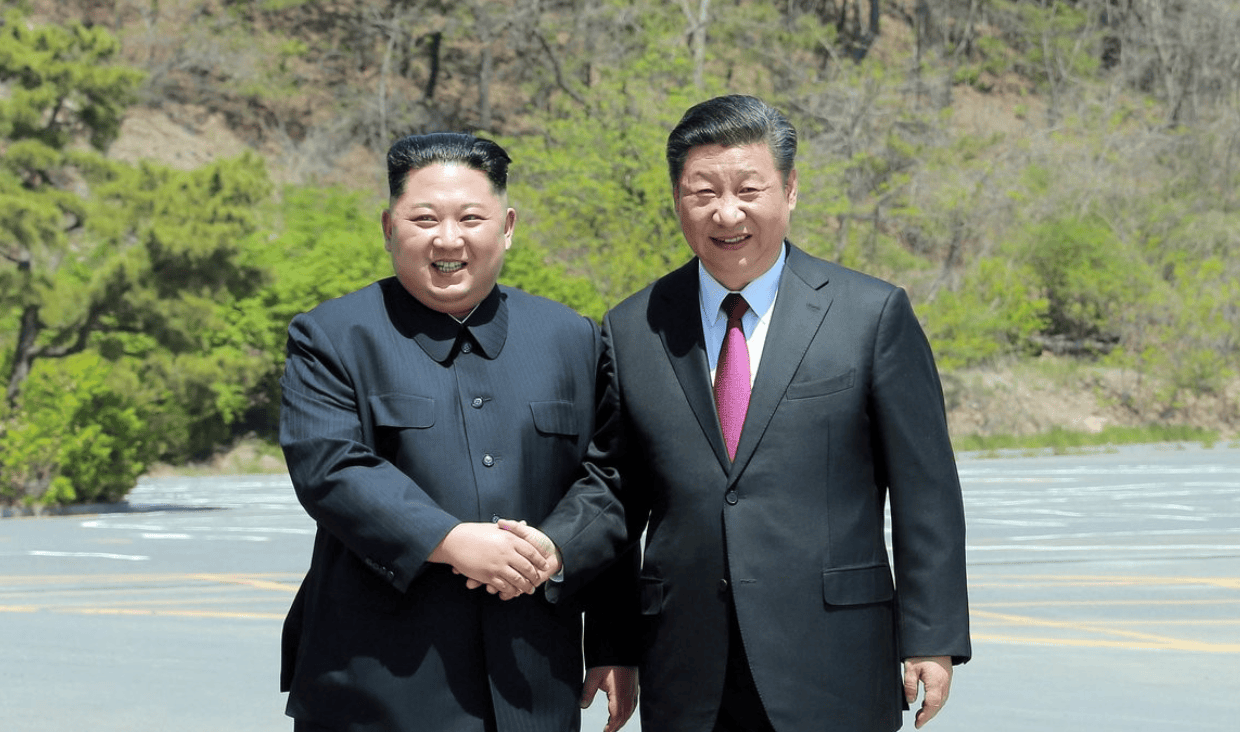
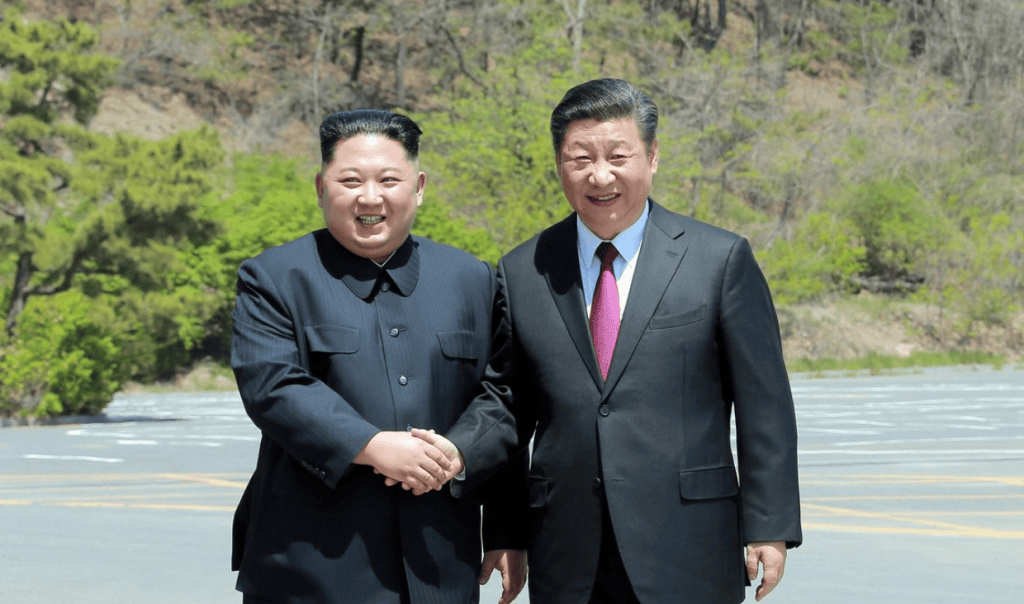
Kim Jong Un has made a surprise visit to China, with newly released images showing the North Korean leader in public after unverified rumours about his death circulated online. The Kim Jong Un China visit took place on Saturday, October 24, marking his first trip to the country in more than a year and highlighting the importance of Pyongyang’s relationship with Beijing.
The visit included a stop at a memorial honouring Chinese soldiers who fought during the Korean War, as well as a tour of an automobile factory alongside senior Chinese official Wang Huning. It also provided an opportunity for Kim to reinforce diplomatic ties with North Korea’s most important economic partner at a time of heightened international tensions.
The appearance came just days after speculation spread online that the 42-year-old leader had suffered a fatal brain haemorrhage. However, North Korean state media subsequently published photographs showing him attending official engagements, contradicting the claims that he had died.
Why Did Kim Jong Un Visit China?
Kim’s latest visit appears to serve several diplomatic and political purposes, including strengthening ties with Beijing, commemorating the historical relationship between the two countries and signalling a continued commitment to cooperation.
China remains North Korea’s most important economic partner, providing a crucial connection to international trade and diplomatic engagement. For Pyongyang, maintaining that relationship is particularly important as international sanctions and restrictions continue to limit its economic options.
During the visit, Kim crossed a newly opened bridge connecting the North Korean city of Sinuiju with Dandong, located in China’s Liaoning province. The crossing provided a highly visible backdrop for the trip, underscoring the geographical and economic connections between the neighbouring countries.
Honouring Chinese Soldiers From the Korean War
One of the key stops on Kim’s itinerary was a Korean War memorial in Dandong, where he laid a floral tribute to Chinese soldiers who fought alongside North Korean forces.
The Korean War, fought from 1950 to 1953, established a lasting military and political connection between Beijing and Pyongyang. China intervened on North Korea’s side during the conflict, and the shared wartime history remains an important part of the relationship between the two governments.
By paying tribute to the Chinese soldiers, Kim reinforced a longstanding narrative of solidarity between the nations. Such gestures also serve a diplomatic purpose, demonstrating respect for the historical ties underpinning their modern partnership.
Kim subsequently toured a local automobile factory with Wang Huning, a senior Chinese official. The visit offered another opportunity to highlight cooperation beyond their shared military history.
New Images Emerge After Kim Jong Un Death Rumours
The trip attracted additional attention because it followed several days of online speculation about Kim’s health and whereabouts.
Unverified claims had suggested that the North Korean leader suffered a severe brain haemorrhage and had fallen into a coma. Some posts went further, alleging that he had died and that emergency medical assistance had been arranged in China.
These claims circulated without reliable independent confirmation. They prompted renewed interest in the North Korean leadership, whose activities are often difficult for outside observers to verify in real time.
North Korean state media had already published photographs of Kim attending a clothing and footwear exhibition in Pyongyang on October 19. He was pictured alongside his wife, Ri Sol Ju, and daughter, Kim Ju Ae, inspecting products and speaking with exhibition organisers.
The latest images from his visit to China provided further evidence of his public activities, undermining the online rumours.
However, photographs released by state media should be understood within the context of North Korea’s tightly controlled information environment. While they can document official appearances, they do not provide a complete or independently verified picture of the country’s leadership or internal political situation.
Why Rumours About Kim’s Health Keep Circulating
Speculation about Kim’s health is not new. His limited public appearances, combined with the secrecy surrounding North Korea’s political system, have repeatedly fuelled rumours about his condition.
Similar claims emerged in 2014 and 2020, when periods of absence from public view prompted questions about his health and the stability of the country’s leadership.
North Korea’s media landscape makes independent verification especially challenging. State news organisations operate under strict censorship, and outside journalists have limited access to the country’s senior officials.
As a result, gaps in public information can quickly become the basis for unsubstantiated reports. Claims shared through social media may then spread internationally before reliable evidence becomes available.
The latest episode illustrates why reports about the North Korean leader should be assessed carefully, particularly when they originate from anonymous accounts or individuals without independently verifiable evidence.
Kim Jong Un Wants Closer Ties With China and Russia
The China visit also fits into Kim’s wider foreign policy strategy, which has increasingly focused on strengthening relationships with Beijing and Moscow.
Both countries occupy important positions in North Korea’s diplomatic calculations. China is a longstanding economic partner, while relations with Russia have gained greater prominence amid shifting international alliances and security tensions.
Kim has presented his approach as part of a broader effort to counter US influence, describing the changing geopolitical landscape in terms of a new Cold War.
North Korea’s relationships with China and Russia are not identical, and each country has its own strategic interests. Nevertheless, closer cooperation can offer Pyongyang additional diplomatic leverage as it faces pressure from the United States and its allies.
The visit to China therefore carried significance beyond the individual events on Kim’s schedule. It provided a public demonstration of his continued engagement with a key regional partner.
North Korea’s Nuclear Programme Remains a Major Issue
Despite diplomatic activity, North Korea’s nuclear weapons and missile programmes remain central to regional security concerns.
The country’s leadership has repeatedly pledged to strengthen its military capabilities. Earlier in 2026, North Korea’s ruling party outlined priorities for the next five years, including expanding conventional military forces and maintaining the development of nuclear weapons and missiles.
Just days before the China visit, Kim also called for the armed forces to accelerate their development.
“Let us build the strongest army and speed up a military revolution in our style,” he said during a two-day meeting in Pyongyang, according to the reported remarks.
These statements reinforce the importance Kim places on military preparedness and technological development. They also help explain why his foreign relations attract close attention from governments across the region.
Could Kim Meet Donald Trump Again?
Kim’s diplomatic history with the United States remains another important part of the wider picture.
He previously met US President Donald Trump in Singapore in 2018 and Hanoi in 2019. The meetings generated international attention and raised hopes that negotiations could lead to an agreement over North Korea’s nuclear programme.
However, the discussions failed to produce a lasting breakthrough, and the country’s nuclear capabilities remain a major source of tension.
Trump expressed interest in meeting Kim again in 2026, but Kim’s sister, Kim Yo Jong, previously cautioned against allowing personal relations between political leaders to determine North Korea’s military strategy.
Any future talks would therefore need to address substantial disagreements over nuclear weapons, security guarantees and regional military activity.
What Kim Jong Un’s China Visit Means for the Region
Kim’s latest appearance in China provides a reminder of how closely North Korea’s domestic politics and international relationships are connected.
The trip strengthened the public display of ties with Beijing, honoured a shared wartime history and highlighted economic connections between the neighbouring countries. At the same time, the release of new images helped counter rumours that had spread during Kim’s brief period away from public view.
Nevertheless, the visit does not by itself signal a major change in North Korea’s military policy or its relationship with the United States. Its longer-term significance will depend on what diplomatic and economic developments follow.
For now, the clearest takeaway is that Kim remains publicly active and continues to pursue closer relations with China’s leadership. With North Korea maintaining its focus on military development and regional alliances, his next diplomatic moves are likely to remain under close international scrutiny.





Comments are closed.