
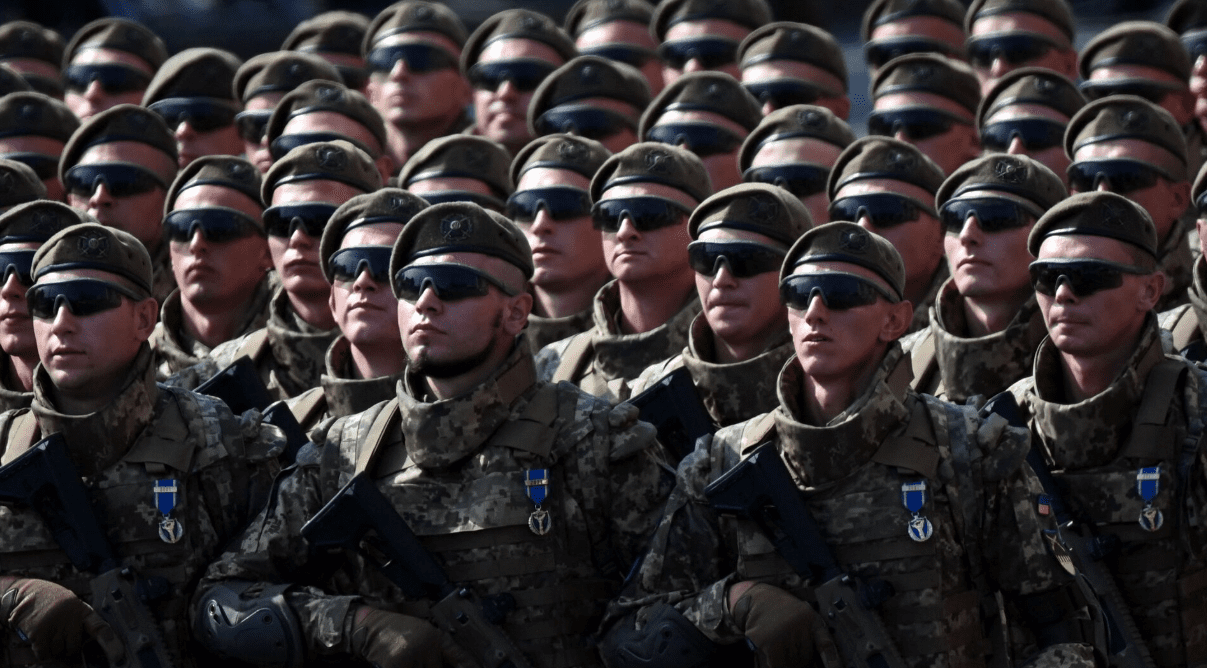
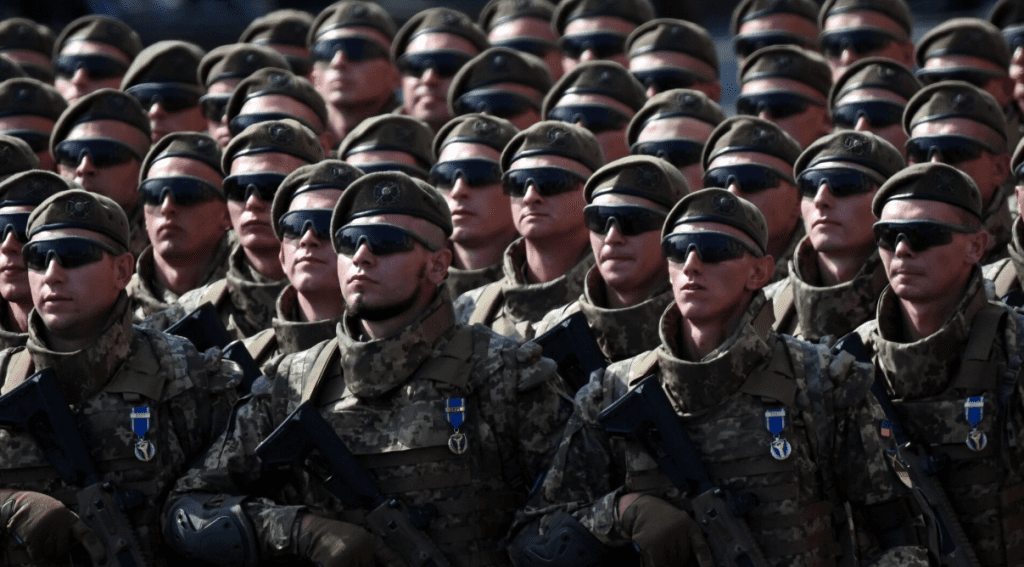
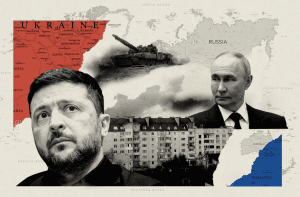
The Russia-Ukraine war has entered a pivotal stage as Ukraine intensifies long-range drone operations while Russia grapples with mounting economic pressure, military setbacks, and growing unease among its population. What was once considered a conflict largely confined to the battlefield is now increasingly affecting everyday life inside Russia, signaling a potential shift in the war’s trajectory.
As Ukrainian strikes reach regions once believed to be safely beyond the conflict, analysts suggest that Moscow faces challenges extending far beyond the front lines. At the same time, renewed talk of peace negotiations has sparked debate over whether diplomacy is genuinely within reach or simply another strategic maneuver.
Russia-Ukraine War Reaches Far Beyond the Front Lines
For generations, Russia’s Ural Mountains symbolized security from foreign invasion. Throughout major historical conflicts, including the Napoleonic Wars and World War II, areas east of the mountain range served as safe havens for civilians and critical industries.
That perception is rapidly changing.
In recent months, Ukrainian drones have reportedly struck targets in and around Yekaterinburg, more than 1,800 kilometers from Ukraine’s border. The attacks highlight Kyiv’s expanding ability to project force deep into Russian territory, targeting facilities connected to military production and energy infrastructure.
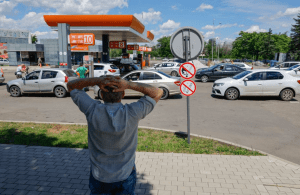
Although the physical damage remains limited compared to the destruction inside Ukraine, the psychological impact has been significant. Airport disruptions, fuel shortages, and concerns about supply chains have become increasingly common topics among residents.
Daily Life Inside Russia Is Feeling the Pressure
The broader economic effects of the Russia-Ukraine war are becoming more visible across Russia.
Residents in affected regions have reported rising prices, shortages of fuel, and increasing concerns over the availability of essential goods. Businesses continue to struggle with inflation, disrupted logistics, and uncertainty surrounding future supplies.
Meanwhile, repeated drone attacks on oil refineries and fuel storage facilities have complicated domestic fuel distribution. These strikes have also highlighted the vulnerability of infrastructure once considered well beyond Ukraine’s operational reach.
Although Russia’s economy has avoided a sudden collapse, economists increasingly point to long-term structural challenges. International sanctions, military spending, labor shortages, and reduced investment continue to place pressure on key sectors.
Why Putin Is Talking About Peace Again
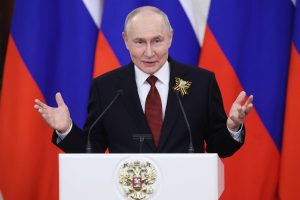
Russian President Vladimir Putin recently stated that Moscow remains open to resuming peace negotiations based on proposals discussed during talks in Istanbul in 2022.
However, many analysts remain skeptical.
Several observers believe the renewed diplomatic messaging reflects Russia’s increasingly difficult military and economic position rather than a significant change in negotiating objectives.
Russia continues to insist on several long-standing demands, including limitations on Ukraine’s military capabilities, guarantees against NATO membership, and recognition of Russian control over occupied territories. Ukraine has consistently rejected many of these conditions, arguing they would compromise its sovereignty and national security.
As a result, prospects for a comprehensive peace agreement remain uncertain despite renewed public discussions.
Ukraine’s Military Strategy Is Changing the Battlefield
Ukraine’s recent operations suggest a growing emphasis on disrupting Russia’s military logistics instead of relying solely on traditional frontline offensives.
Long-range drone attacks have targeted oil refineries, ammunition depots, industrial facilities, and transportation networks that support Russia’s military campaign.
Military analysts argue that weakening supply chains can have a greater strategic impact than capturing limited stretches of territory. By forcing Russia to devote additional resources to homeland defense, Ukraine may also reduce pressure along key combat zones.
This evolving strategy demonstrates how modern warfare increasingly extends beyond conventional battlefields and into critical infrastructure.
Reports Suggest Rising Pressure on Russian Forces
Alongside logistical challenges, reports indicate growing strains within sections of Russia’s armed forces.
Organizations that assist Russian military deserters have reported increased requests from soldiers seeking to leave military service. Although independent verification remains difficult, such accounts may reflect declining morale after years of prolonged fighting and heavy casualties.
Military fatigue is a common feature of extended conflicts, particularly when battlefield advances slow and losses continue to mount.
Civilians on Both Sides Continue to Pay the Price
Despite shifting military dynamics, civilians remain among the conflict’s greatest victims.
Across Ukraine, communities continue to endure missile strikes, drone attacks, damaged infrastructure, and ongoing displacement. Thousands of families have experienced repeated disruptions to daily life since Russia launched its full-scale invasion in 2022.
Meanwhile, residents in parts of Russia are increasingly encountering air raid alerts, drone interceptions, and occasional damage from Ukrainian strikes. For many Russians, the conflict now feels closer to home than at any previous point during the war.
Even so, the scale of destruction inside Ukraine remains vastly greater, with many cities continuing to face regular attacks and significant humanitarian challenges.
Economic Exhaustion Could Shape the Next Phase
Many experts believe the Russia-Ukraine war may increasingly be determined by economic endurance rather than dramatic battlefield breakthroughs.
Ukraine continues receiving military and financial assistance from Western allies, while Russia attempts to sustain its economy despite sanctions and growing fiscal pressure.
Analysts note that prolonged military spending, reduced industrial capacity, workforce shortages, and infrastructure damage could gradually weaken Russia’s long-term ability to maintain its current pace of operations.
At the same time, Ukraine faces its own immense economic burdens, making continued international support essential for both its defense and reconstruction efforts.
Could This Be a Turning Point?
Predicting the outcome of the Russia-Ukraine war remains extremely difficult. Military conflicts rarely follow a straight path, and battlefield conditions can change rapidly.
However, several developments suggest the strategic landscape is evolving. Ukraine has demonstrated an increasing ability to strike deep inside Russia, while Moscow confronts growing economic pressure and signs of domestic frustration. Combined with renewed discussion of peace negotiations, these factors indicate that both sides may be entering a new phase of the conflict.
Whether this ultimately leads to meaningful diplomacy or an even more prolonged confrontation remains uncertain.
Conclusion
The Russia-Ukraine war is no longer defined solely by trench warfare and territorial battles. It has expanded into an economic, political, and psychological struggle that increasingly affects civilians on both sides of the border.
Ukraine’s long-range drone campaign has exposed vulnerabilities deep inside Russia, while economic pressures continue to mount for Moscow. Although peace talks have once again entered public discussion, significant differences between the two governments remain unresolved.
As the conflict evolves, the coming months could prove critical in determining whether military pressure, economic realities, or diplomatic negotiations ultimately shape the next chapter of Europe’s largest war in decades.











Comments are closed.