
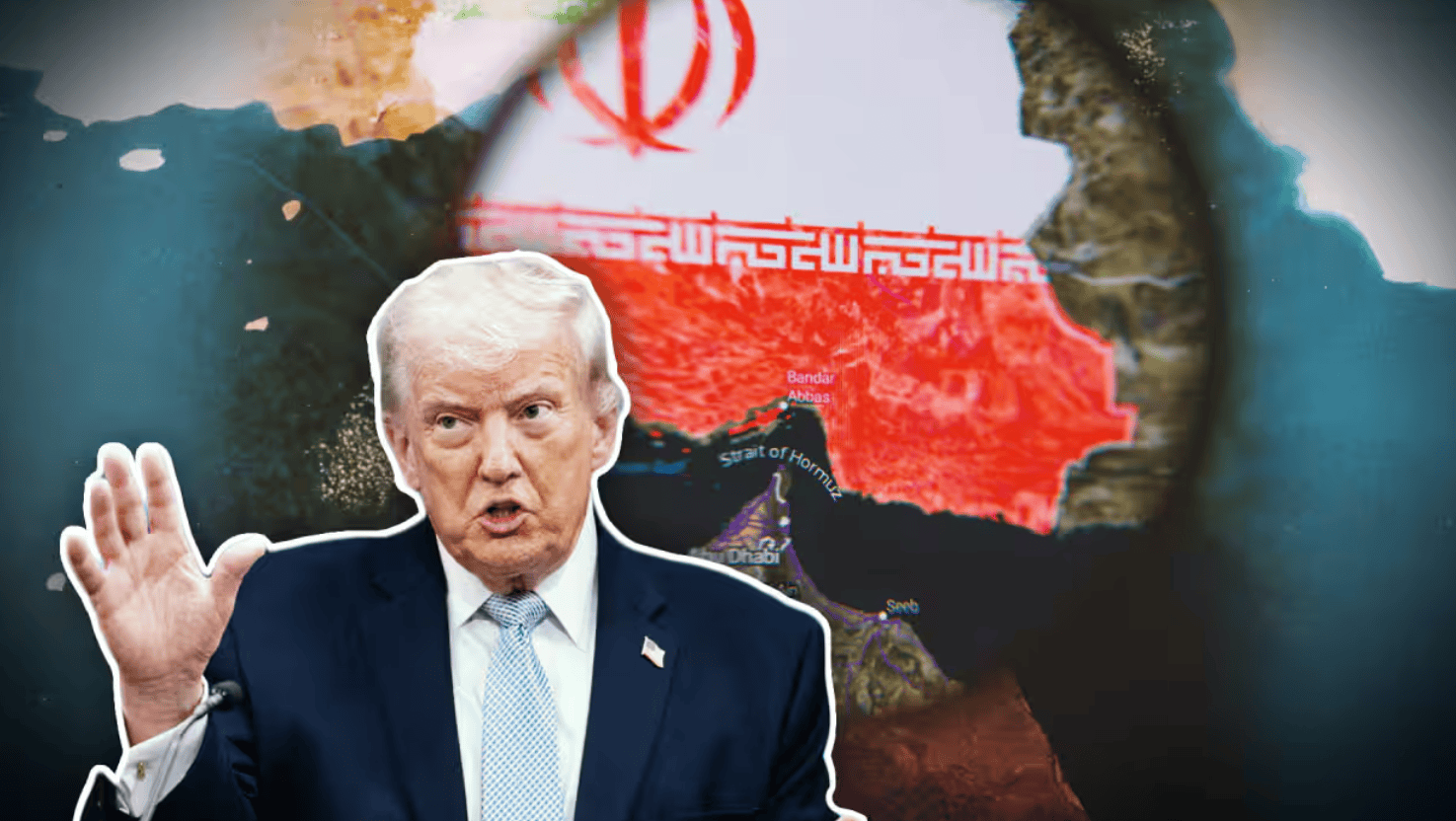
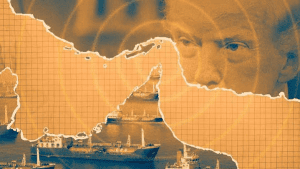
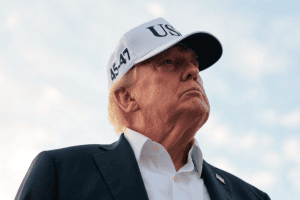
The Strait of Hormuz crisis is entering a critical phase as diplomatic efforts between Washington and Tehran face new obstacles, while uncertainty over the reopening of the strategic waterway continues to unsettle global energy markets. US President Donald Trump has demanded compensation from Iran for American casualties and losses linked to the conflict, adding another complication to negotiations over the future of the strait.
The dispute comes as commercial shipping through Hormuz remains far below normal levels. Oil prices have responded to renewed uncertainty, highlighting the far-reaching economic consequences of the confrontation between the United States and Iran.
Why the Strait of Hormuz Crisis Matters
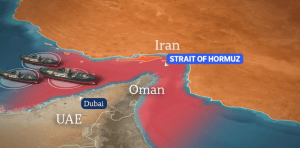
The Strait of Hormuz is one of the world’s most important maritime energy corridors. The narrow waterway connects the Persian Gulf with the Gulf of Oman and the Arabian Sea, providing a major route for oil and gas exports from the Gulf region to international markets.
Any sustained disruption therefore has consequences well beyond the Middle East.
Energy traders closely monitor developments around Hormuz because uncertainty over shipping can quickly influence crude prices, transportation costs and inflation expectations. Even before an actual shortage develops, markets can react to the possibility of prolonged disruption.
That dynamic has become increasingly visible in recent days.
Strait of Hormuz Crisis Puts Pressure on Oil Prices
Oil prices rose sharply as expectations for a near-term US-Iran agreement weakened.
Brent crude moved above $89 a barrel, while US West Texas Intermediate crude climbed above $84. Both benchmarks reached their highest levels in more than a week as investors assessed the latest diplomatic developments and the continuing uncertainty surrounding shipping through Hormuz.
The price response reflects more than immediate supply concerns. Traders are also pricing the risk that restrictions on maritime traffic could persist, keeping energy supplies vulnerable to further disruption.
If diplomatic progress leads to a reliable reopening of the waterway, some of that risk premium could eventually disappear. However, a prolonged standoff could keep prices elevated and increase pressure on energy-dependent economies.
Trump Raises Compensation Demands
The diplomatic situation became more complicated after Trump said Washington would seek compensation from Iran for casualties and other losses associated with the conflict.
Iran, meanwhile, has demanded compensation from the United States and Israel for damage caused during the war. Tehran has also tied the reopening of the Strait of Hormuz to broader conditions involving compensation, sanctions relief and security guarantees.
The competing demands demonstrate how negotiations have expanded beyond the immediate question of maritime access.
For an agreement to hold, negotiators may need to address several interconnected issues at once. These include the security of commercial vessels, economic sanctions, compensation claims and the possibility of renewed military confrontation.
Each unresolved issue increases the difficulty of reaching a comprehensive settlement.
Oman Emerges as a Key Diplomatic Intermediary
Oman continues to play an important role in diplomatic efforts surrounding the crisis.
Iran has indicated that it is close to reaching an understanding with Oman regarding arrangements for shipping through the Strait of Hormuz. Tehran has nevertheless stressed that such an agreement would not automatically result in the full reopening of the waterway.
Iran has maintained that broader US concessions would also be necessary.
This distinction is important for international shipping companies. Establishing navigation arrangements is only one part of restoring normal maritime traffic. Commercial operators also need confidence that vessels can move safely and predictably without facing unacceptable military, insurance or political risks.
As a result, the effectiveness of any agreement will ultimately be measured by what happens at sea.
Shipping Activity Remains a Major Indicator
The number of vessels passing through Hormuz provides one of the clearest indications of whether conditions are genuinely improving.
Recent reporting indicated that only a handful of vessels crossed the strait in a single day, compared with more than 100 vessels during normal periods before the conflict.
Such a dramatic decline illustrates the level of caution among shipping operators.
A political announcement declaring the waterway secure does not necessarily mean commercial traffic will immediately return. Shipping companies must consider security assessments, insurance costs, crew safety and the possibility of renewed military activity before resuming regular operations.
For that reason, sustained increases in vessel traffic could become a more meaningful measure of progress than diplomatic statements alone.
Iran Begins Rebuilding Damaged Energy Infrastructure
The crisis is also affecting Iran’s domestic energy infrastructure.
Iranian Oil Minister Mohsen Paknejad has said the country plans to restore approximately 95 million cubic metres of natural gas production by the end of September as repair work continues on facilities damaged during the conflict.
The restoration effort will be closely watched because energy infrastructure plays a central role in Iran’s economy.
Repairing damaged facilities, however, is only part of the challenge. Iran also needs a stable security environment, access to equipment and investment, and greater certainty over its ability to participate in international energy markets.
Continued tensions could make each of those objectives more difficult to achieve.
Regional Tensions Add to the Uncertainty
The Strait of Hormuz crisis is unfolding against a broader backdrop of instability across the Middle East.
In southern Lebanon, Israeli military movements near Aita al-Jabal have added to concerns about the durability of the existing ceasefire. The area has experienced repeated military activity and shelling despite efforts to contain the confrontation.
Elsewhere in southern Lebanon, Civil Defence officials reported that firefighters responding to a fire in the Nabatieh area were targeted by a drone and forced to withdraw. No members of the firefighting team were reported injured.
These developments demonstrate the complexity of the regional security environment.
Even if Washington and Tehran succeed in reaching an agreement, unresolved tensions elsewhere could continue to threaten the region’s fragile stability.
What Could Happen Next?
The future of the Strait of Hormuz crisis will depend largely on whether diplomatic negotiations can produce an arrangement that is both acceptable to Washington and Tehran and credible enough to reassure commercial shipping operators.
Three developments will be particularly important.
First, markets will watch for evidence of meaningful progress in US-Iran negotiations. Second, shipping companies will monitor whether vessel traffic through Hormuz begins to recover consistently. Finally, investors will continue to track military activity across the wider region.
A successful diplomatic agreement could reduce geopolitical risk and put downward pressure on oil prices. It could also help restore confidence among shipping companies and energy traders.
A breakdown in negotiations would create the opposite effect. Prolonged uncertainty could keep crude prices elevated while increasing transportation, insurance and energy costs.
Conclusion
The Strait of Hormuz crisis has evolved into a major geopolitical and economic challenge. What began as a dispute surrounding a critical maritime passage now involves compensation claims, sanctions, security guarantees, energy infrastructure and the wider balance of power in the Middle East.
Trump’s latest demands have added another obstacle to negotiations, while Iran continues to insist that broader conditions must be addressed before the waterway can return to normal operations.
For global markets, the immediate focus will remain on oil prices and shipping activity. For governments, the larger challenge is finding a durable political solution that can prevent another escalation.
Until commercial traffic through Hormuz returns to sustainable levels and diplomatic commitments become more credible, uncertainty is likely to remain a defining feature of the crisis.







Comments are closed.