
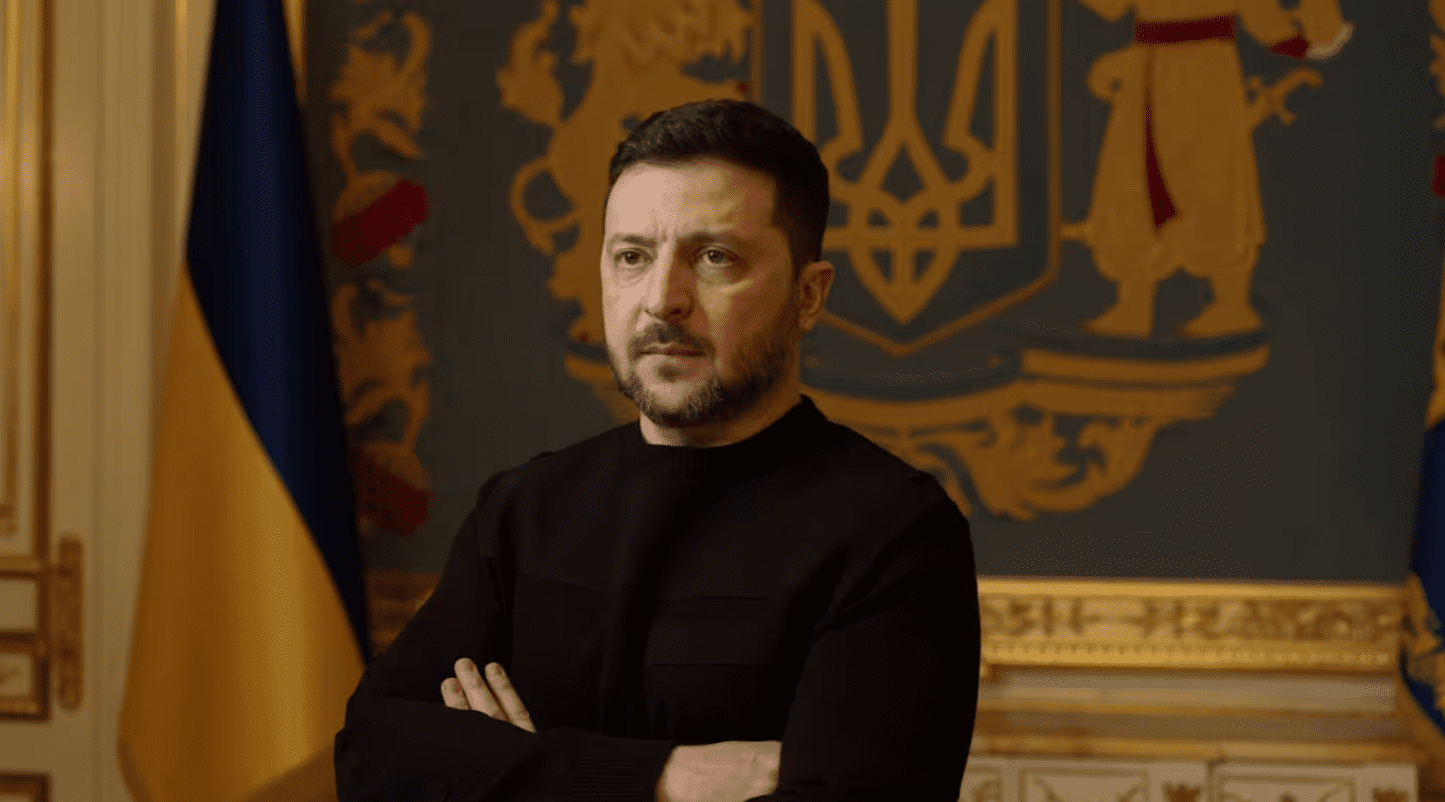
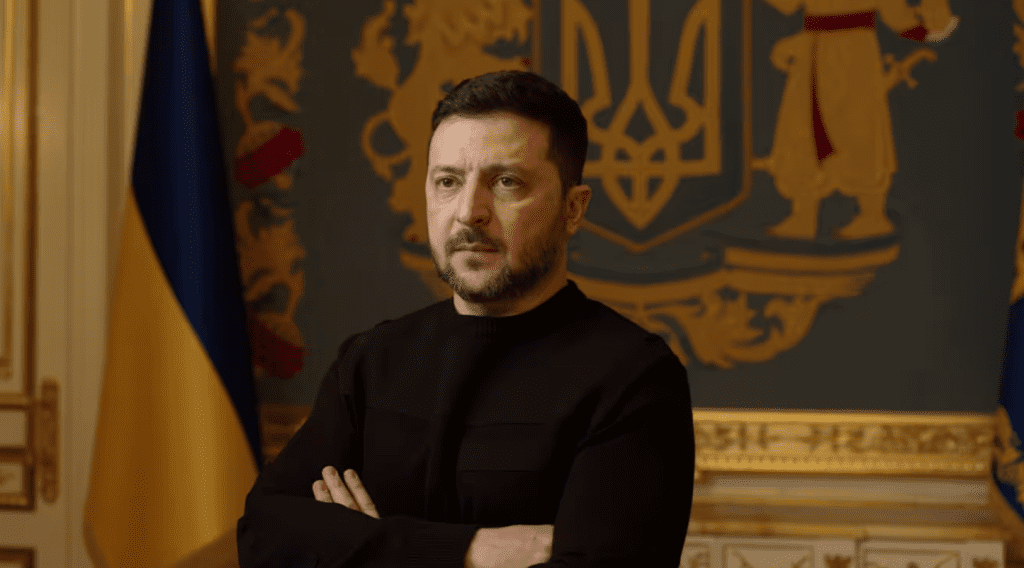
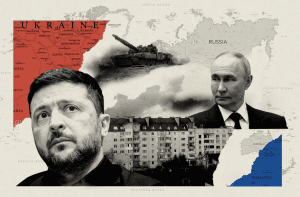
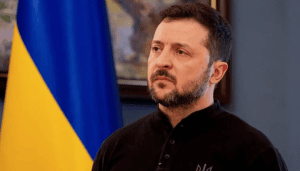
The war in Ukraine has dragged into its fifth year, with no clear end in sight and diplomacy struggling to keep pace with the realities on the battlefield. Against this backdrop, Ukrainian President Volodymyr Zelenskyy has made one of his most direct political moves yet: an open invitation for Russian President Vladimir Putin to meet face-to-face and discuss ending the war.
The proposal has reignited global debate about whether meaningful negotiations are still possible, or whether both sides remain too far apart for diplomacy to succeed.
Zelenskyy’s Peace Proposal: A Direct Meeting With Putin
At the center of the latest development is a public letter released by Zelenskyy and delivered through diplomatic channels to Russia and international partners, including the United States.
In the message, Zelenskyy called for direct engagement with Putin, arguing that continued war benefits neither side and only deepens long-term instability. He framed the conflict as one that Russia itself is increasingly struggling to sustain, pointing to economic pressure, domestic fatigue, and the long-term costs of ongoing military operations.
Zelenskyy also stressed that Ukraine is willing to pursue a political path toward peace, but only through structured negotiations that include international involvement.
The proposed meeting locations include neutral diplomatic hubs such as Switzerland, Türkiye, or countries in the Arab world, with additional participation from the United States and European partners.
What Zelenskyy Is Trying to Achieve
Increasing diplomatic pressure on Russia
One of the key aims behind the public nature of the letter is strategic visibility. By making the invitation public, Kyiv forces Moscow to respond openly, rather than behind closed diplomatic doors.
Analysts suggest this approach places political pressure on the Kremlin by positioning Ukraine as the side willing to engage in dialogue.
Shifting momentum in Ukraine’s favor
Zelenskyy’s message also reflects growing confidence in Ukraine’s military resilience. Ukrainian forces have conducted strikes on Russian infrastructure and continue to resist advances along multiple fronts.
By proposing direct talks now, Kyiv signals that it believes the current phase of the conflict may be strategically significant for future negotiations.
Bringing global powers into the process
Another major element of the proposal is international involvement. Zelenskyy explicitly referenced the need for the United States and European countries to play a role in shaping any potential peace framework.
He also suggested that a broader “security architecture” for Europe would be required to prevent future escalation.
Russia’s Response: Cautious and Noncommittal
So far, the Kremlin has not committed to the proposed meeting.
Russian officials acknowledged the letter but stated that President Putin had not yet reviewed its full content. Publicly, Moscow has maintained its focus on battlefield developments, emphasizing territorial control in eastern and southern Ukraine.
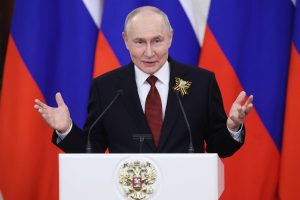
Putin also reiterated Russia’s long-standing position that any agreement must reflect what he describes as “realities on the ground,” including territories currently under Russian control.
At the same time, Russian officials have previously indicated that Putin would only meet Zelenskyy under specific conditions, typically after a broader agreement has already been reached or in a carefully controlled diplomatic setting.
Why the Proposal Matters Now
A war entering its longest phase
The Ukraine conflict has evolved into a prolonged war of attrition, with both sides experiencing heavy military and economic strain. Despite multiple rounds of indirect negotiations since 2022, no comprehensive peace framework has been achieved.
This makes Zelenskyy’s direct appeal particularly significant, as it bypasses traditional diplomatic channels.
Growing international pressure for dialogue
The United States and European countries continue to call for renewed negotiations, though their influence remains limited by competing geopolitical priorities and disagreements over territorial concessions.
Some diplomatic observers argue that shifting global attention toward other crises has created an opening for renewed dialogue, even if only temporary.
Strategic messaging to domestic and global audiences
Beyond diplomacy, the letter also serves a messaging function. For Ukraine, it reinforces the narrative of openness to peace while placing responsibility for continued conflict on Moscow’s response.
For Russia, accepting a direct meeting could be politically sensitive, as it may challenge domestic narratives about the legitimacy of Ukraine’s leadership and the nature of the war.
Obstacles Standing in the Way of Peace Talks
Deep territorial disagreements
One of the biggest barriers remains territorial control. Russia maintains claims over multiple occupied regions in Ukraine, while Kyiv insists on full territorial integrity as a non-negotiable principle.
This fundamental disagreement continues to block meaningful progress.
Lack of mutual trust
Years of war and failed negotiations have created a severe trust deficit between the two governments. Each side remains skeptical of the other’s intentions, reducing the likelihood of compromise.
Political risk for both leaders
For Putin, agreeing to direct talks could be framed domestically as a sign of vulnerability. For Zelenskyy, negotiations that fail to produce results could carry political consequences at home and abroad.
Could a Meeting Actually Happen?
At present, the likelihood of an immediate face-to-face meeting remains uncertain.
Russia has indicated that any presidential-level meeting would require significant preconditions, while Ukraine continues to push for direct engagement as a starting point rather than a final step.
International experts suggest that while the proposal is unlikely to lead to immediate negotiations, it could still influence the broader diplomatic environment by keeping communication channels open.
The Role of the United States and Europe
The United States continues to position itself as a potential mediator, with officials signaling support for renewed talks. However, shifting geopolitical priorities have affected the level of sustained engagement.
European leaders, meanwhile, have increasingly pushed for a coordinated diplomatic framework involving multiple stakeholders, arguing that any long-term settlement will require broader security guarantees for the region.
Still, disagreements over strategy and timing remain.
Conclusion: A Diplomatic Opening or Another Dead End?
Zelenskyy’s invitation to Putin represents one of the most direct diplomatic overtures since the war began. It highlights Ukraine’s desire to frame itself as open to negotiation while maintaining pressure on Russia to respond publicly.
However, deep political divisions, territorial disputes, and mutual distrust continue to limit the chances of immediate progress.
Whether this proposal becomes a turning point or another stalled attempt in a long series of failed negotiations will depend not only on Moscow’s response, but also on how international partners choose to engage in the coming months.
For now, the world is left waiting for an answer that could shape the next chapter of the war in Ukraine.




Comments are closed.