
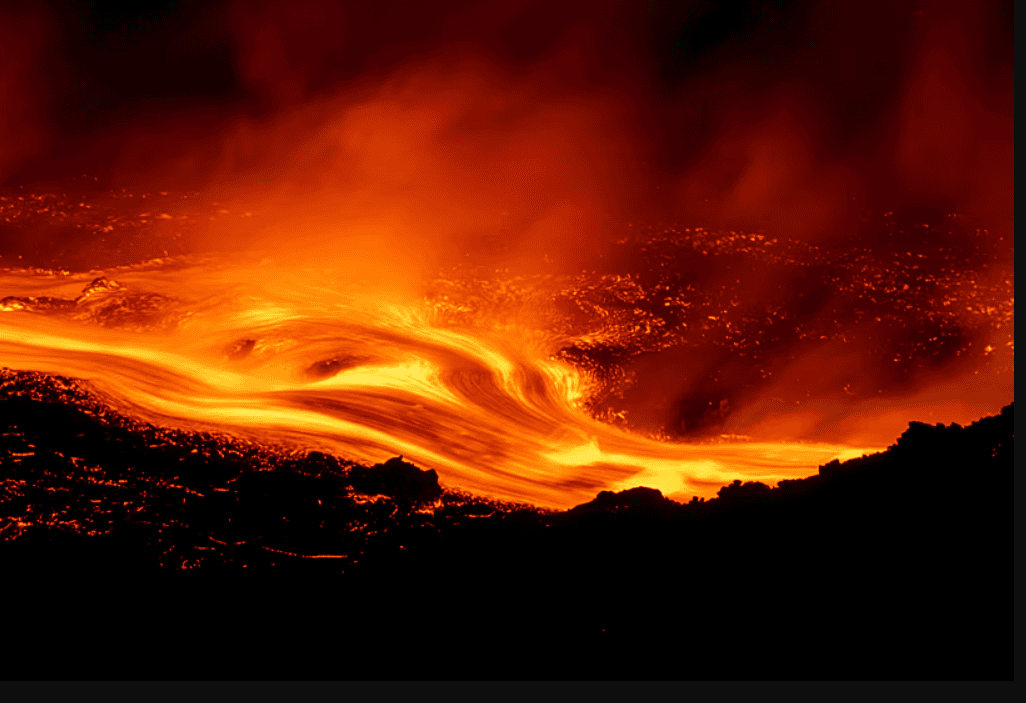
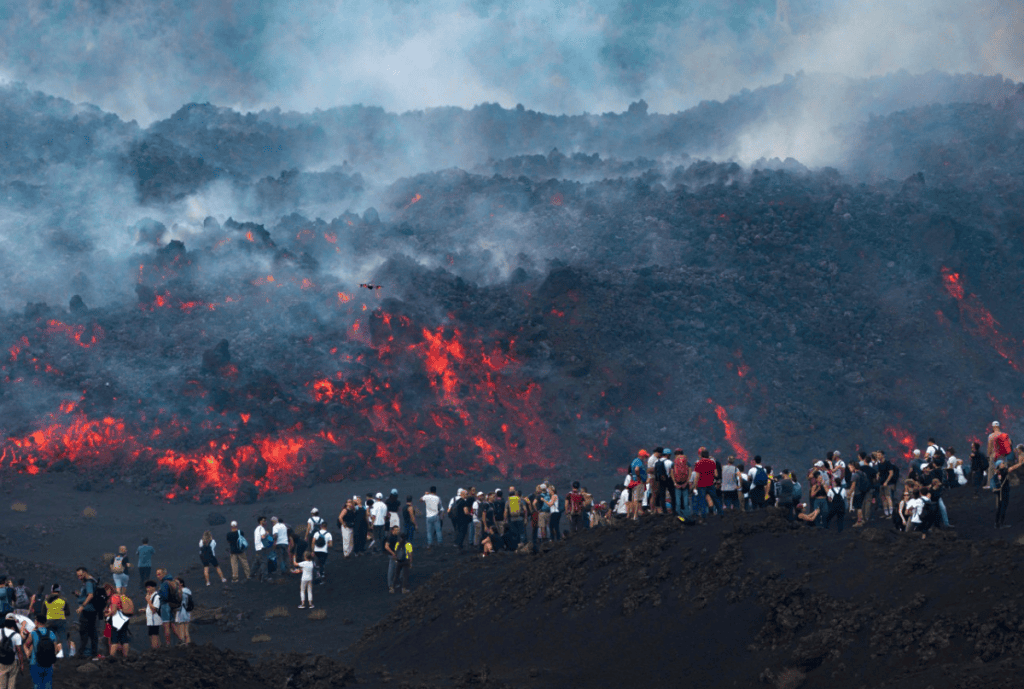
Mount Etna is once again disrupting travel across Sicily, with Catania airport flights suspended as the volcano continues to release lava and volcanic ash. The eruption, now entering its sixth consecutive day, has caused hundreds of cancellations and diversions during one of the busiest periods of the European summer holiday season.
The disruption is no longer confined to eastern Sicily. Volcanic ash has drifted across the Mediterranean toward Malta and northern Libya, affecting regional aviation and creating additional complications for travelers. Authorities continue to monitor the ash cloud, while passengers are being advised to check directly with their airlines before heading to the airport.
Catania Airport Flights Halted as Etna Sends Ash Into the Air
Catania-Fontanarossa Airport has become the center of the latest travel disruption after fresh emissions from Mount Etna forced authorities to suspend arrivals and departures.
The airport operator announced another temporary shutdown on Wednesday, with operations initially halted until 6 p.m. local time. Reuters subsequently reported that the suspension was extended until at least 2 p.m. UTC on Thursday, August 13, as authorities continued assessing the volcanic ash situation.
The scale of the disruption has grown rapidly. Euronews reported that approximately 55 outbound flights were canceled on Wednesday alone, in addition to roughly 388 departures that had already been scrapped since the eruption began. Dozens of other flights were rescheduled or diverted to airports elsewhere in Sicily.
The situation highlights a recurring problem for Catania. Mount Etna is close enough to the airport that ash emissions can create aviation hazards even when lava remains high on the volcano.
Why Volcanic Ash Is Dangerous for Aircraft
Volcanic ash is more than a visibility problem. Fine particles can enter aircraft engines, where extremely high temperatures can cause the material to melt and potentially interfere with engine operation.
For that reason, aviation authorities closely track volcanic ash clouds and may restrict airspace when conditions present a safety risk. The decision can affect flights across a wide area, depending on the altitude and direction of the ash plume.
Wind is therefore a crucial factor in determining how much disruption Etna causes. A change in wind direction can move the ash away from an airport, while unfavorable conditions can quickly bring the plume over important flight paths.
Palermo, Trapani and Comiso Absorb Diverted Flights
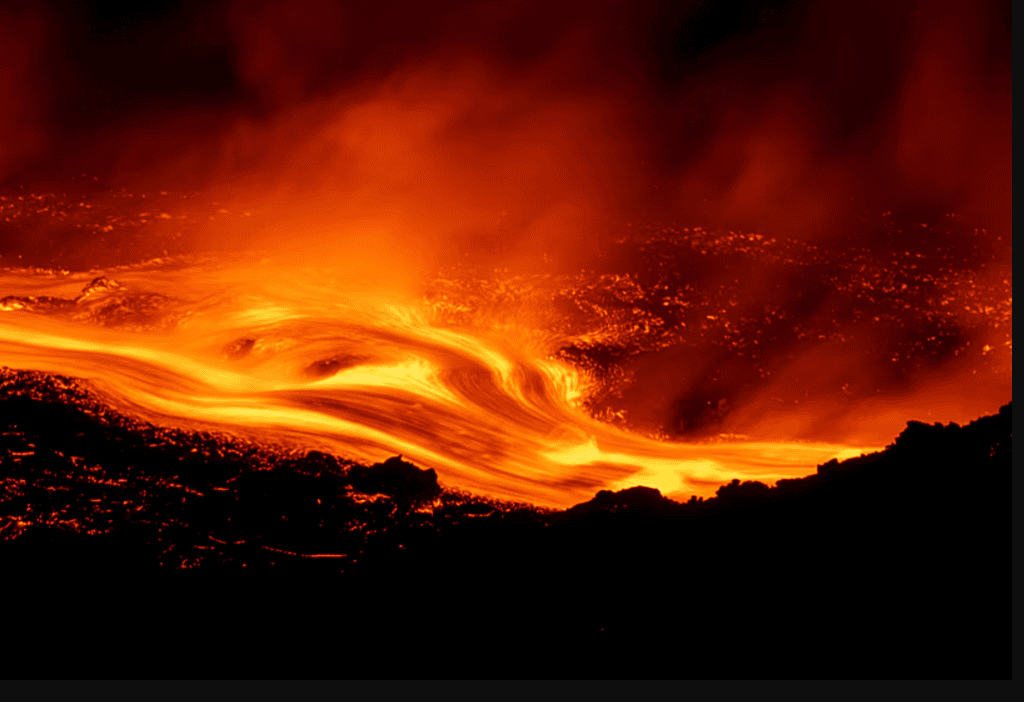
The closure of Catania has placed considerable pressure on Sicily’s other airports.
Flights have been diverted to airports including Palermo, Trapani and Comiso. Reuters reported that Palermo Airport had handled around 190 flights originally scheduled to arrive in Catania in recent days, illustrating how quickly alternative airports can become crowded when the island’s main eastern gateway is affected.
Comiso has also experienced disruption. Operations were temporarily halted because of volcanic ash before departures and arrivals resumed.
For travelers, a diversion does not necessarily mean the journey is over. Passengers arriving at Palermo or another alternative airport may still have several hours of road or rail travel before reaching Catania, Taormina, Syracuse or other destinations in eastern Sicily.
That creates a second layer of disruption involving buses, trains, taxis, rental cars and hotel bookings.
Etna’s Ash Cloud Reaches Malta and Northern Libya
The impact of the eruption has extended beyond Italy.
According to information cited by Euronews from the Volcanic Ash Advisory Centre in Toulouse, the ash cloud has been drifting south and southwest. The highest concentrations have remained over Sicily, while lower concentrations have been detected between eastern Malta and northern Libya.
Malta, located roughly 220 kilometers south of Mount Etna, has consequently experienced flight disruption of its own.
Some aircraft arriving in or departing from Malta have had to alter their routes because of the ash cloud. Malta International Airport has warned passengers about possible delays and cancellations while conditions continue to evolve.
The eruption has even affected local events. In Malta, a fireworks display connected to the Feast of Santa Marija was postponed because its launch site was close to an airport approach path. Organizers said the decision followed consultations with authorities while operational restrictions remained in place.
The episode demonstrates how volcanic activity can affect far more than the airport closest to the volcano.
Mount Etna Eruption Creates a Political Debate
The repeated closure of Catania Airport has also revived a long-running argument about Sicily’s aviation infrastructure.
Catania Airport sits only a few kilometers from Mount Etna, making its location particularly vulnerable to volcanic ash. The airport has experienced multiple interruptions during previous eruptions, but the latest disruption has renewed questions about whether the island needs a different long-term strategy.
Italy’s Minister for Civil Protection and Maritime Policies, Nello Musumeci, argued that the current crisis illustrates a problem he has raised for decades.
According to comments reported by Euronews, Musumeci said he had highlighted Catania Airport’s vulnerability as far back as 1999, when he was president of the Province of Catania. At the time, he supported a proposal to relocate the airport to an area between Catania and Enna.
That proposal did not receive sufficient backing.
Musumeci has now argued that the latest disruption demonstrates the seriousness of the airport’s location. His assessment was blunt: the problem, he said, is not that Mount Etna is in the wrong place, but that the airport is.
The debate is unlikely to be resolved during the current eruption. However, repeated closures during peak tourist periods are likely to keep questions about airport resilience and Sicily’s transport infrastructure on the political agenda.
Mount Etna Remains One of Europe’s Most Active Volcanoes
Mount Etna dominates eastern Sicily both geographically and culturally.
The volcano rises to roughly 3,400 meters, although its exact elevation changes as eruptions reshape its summit. It is one of Europe’s tallest active volcanoes and has a long history of frequent eruptive activity.
Etna’s activity can range from relatively quiet periods to explosive episodes involving lava fountains, lava flows and substantial ash emissions.
The volcano’s behavior also explains why aviation authorities remain cautious. Even when an eruption does not pose an immediate threat to communities, an ash cloud can create a serious problem for aircraft operating hundreds of kilometers away.
Etna was recognized as a UNESCO World Heritage Site in 2013, reflecting its geological importance as well as its significance to Sicily’s landscape and history.
What Should Travelers With Catania Flights Do?
For anyone scheduled to fly through Catania, the situation remains fluid.
Passengers should not assume that a flight will operate simply because it appeared on a previous schedule. Volcanic activity and wind conditions can change quickly, and airport restrictions may be extended or lifted depending on the latest assessments.
Travelers should:
- Check directly with their airline before leaving for the airport.
- Monitor Catania Airport’s latest departure and arrival information.
- Confirm whether a flight has been canceled, delayed or diverted.
- Check the location of any replacement airport carefully.
- Allow additional time for road and rail transportation.
- Keep booking confirmations and boarding passes accessible.
- Recheck connecting flights if an itinerary has been changed.
The key point is flexibility. Alternative airports can become heavily congested when hundreds of flights are redirected, so transportation from Palermo, Trapani or Comiso may take considerably longer than normal.
Travelers should also rely on current information rather than older social media posts or flight-search results. The situation can change within hours.
Sicily’s Summer Travel Season Faces Another Major Test
The latest Mount Etna eruption is unfolding at one of the busiest times of the year for Sicily’s tourism industry.
August brings large numbers of international visitors to the island, meaning even a temporary closure can affect airlines, hotels, tour operators, rental-car companies and local transportation networks.
Catania is particularly important because it provides access to some of Sicily’s best-known destinations, including Mount Etna itself, Taormina and the island’s southeastern coast.
The longer the disruption continues, the greater the pressure becomes on alternative airports and ground transportation.
Yet Etna’s eruption also illustrates an enduring reality of life in Sicily. The volcano is simultaneously a major tourist attraction, a geological landmark and a powerful natural force capable of disrupting modern infrastructure.
Catania Airport Flights Remain Dependent on Etna’s Next Move
For now, Catania airport flights remain closely tied to the behavior of Mount Etna and the movement of its volcanic ash plume.
The latest restrictions have already canceled hundreds of flights, diverted others to airports across Sicily and caused knock-on effects as far away as Malta and northern Libya.
Authorities will continue monitoring the volcano and the surrounding airspace before deciding when normal operations can safely resume.
For passengers, the message is simple: check flight information frequently, expect possible changes and allow extra time for alternative travel arrangements.
Mount Etna has shaped Sicily for thousands of years. This latest eruption is another reminder that, even in an age of modern aviation and mass tourism, one of Europe’s most powerful natural landmarks can still bring an entire regional transport network to a temporary standstill.











Comments are closed.