
US President Suggests Framework for Agreement While Tehran Rejects Claims of Seeking Military Pause
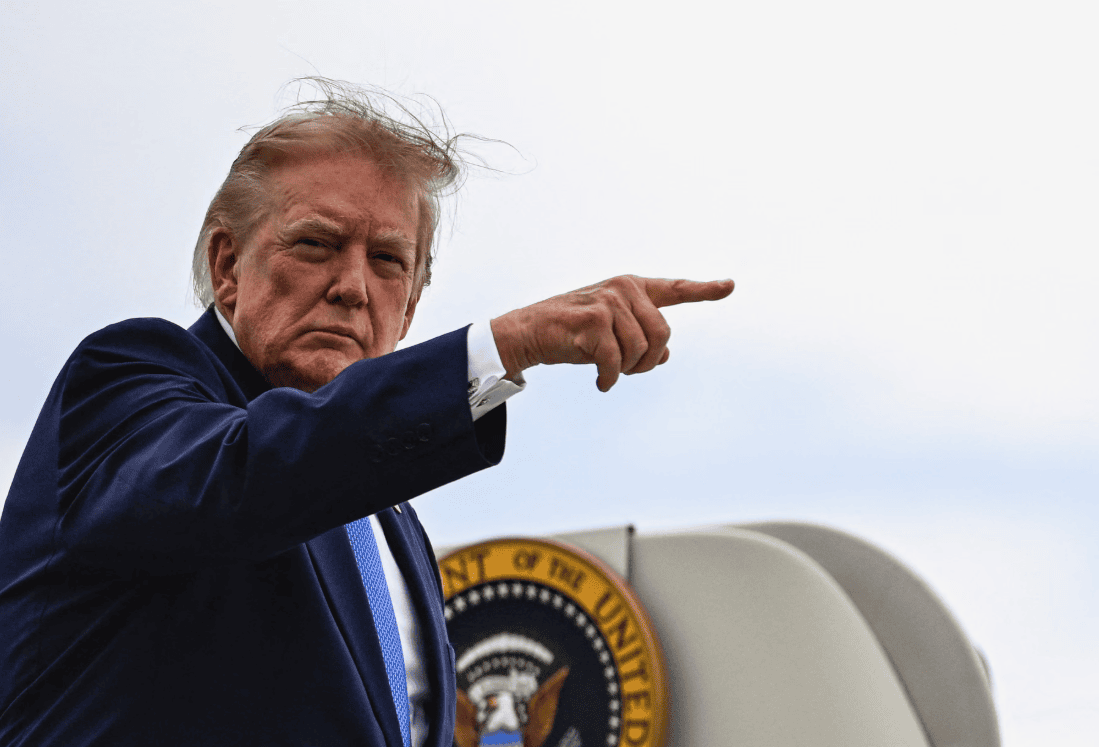
US President Donald Trump has announced that planned American military strikes against Iran have been suspended, saying negotiations toward a broader agreement are progressing and that the “parameters” of a potential deal have been established. However, Iranian officials have denied requesting a halt to military action, highlighting the significant differences that remain between the two sides.
The announcement comes after months of heightened conflict between the United States, Israel and Iran, with tensions centered on maritime security, Iran’s nuclear program and regional military activity. Although Trump’s remarks have renewed hopes for diplomacy, no formal agreement has been publicly confirmed by either government.
Background: Conflict Has Escalated Despite Previous Ceasefire Efforts
The latest developments follow the collapse of a previous memorandum of understanding reached earlier in the year that sought to reduce hostilities and provide a framework for negotiations.
Since that agreement broke down, military exchanges have intensified across the region, with both Washington and Tehran accusing each other of violating earlier commitments. The conflict has expanded beyond direct military targets, increasing concerns over regional stability, commercial shipping and global energy security.
One of the central issues remains the Strait of Hormuz, through which a significant share of the world’s oil and liquefied natural gas exports normally passes. Continued disruptions to maritime traffic have contributed to uncertainty in international energy markets.
Trump Outlines Conditions for Potential Agreement
In a public statement, Trump said the United States had been prepared to conduct additional military operations but decided to suspend them to allow space for diplomacy.
According to the president, any agreement would include the immediate reopening of the Strait of Hormuz and measures addressing concerns over Iran’s nuclear activities. Trump also stated that Israel supports the diplomatic effort.
However, the administration has not released detailed information regarding the proposed framework, its negotiating terms or the parties responsible for mediating the discussions.
Reports indicate that regional leaders, including Saudi Crown Prince Mohammed bin Salman, have encouraged de-escalation and urged Washington to avoid further military escalation while diplomatic contacts continue.
Iran Maintains Defensive Posture
Iranian officials have rejected Trump’s assertion that Tehran requested a suspension of US military operations.
Government representatives have stated that Iran remains prepared to respond to any future attacks and continues to strengthen its military readiness. Officials have also emphasized that threats from the United States are being treated as credible regardless of whether they are viewed as military or psychological pressure.
Iran’s diplomatic outreach has continued through discussions with regional governments, including Pakistan, Türkiye and Saudi Arabia, focusing on the potential consequences of further escalation for Gulf security and regional stability.
Iran has also reiterated that any attacks targeting its territory or strategic infrastructure would receive what it describes as a proportional response.
Mediation Efforts Continue Behind the Scenes
Several regional governments are reportedly working to revive negotiations between Washington and Tehran.
According to media reports, Pakistan and Qatar remain actively engaged in diplomatic efforts, while other regional partners continue discussions aimed at restoring direct or indirect talks.
Diplomatic initiatives are expected to focus on reducing military tensions, restoring maritime security and establishing conditions for renewed negotiations.
Nevertheless, disagreements remain over the future management of the Strait of Hormuz. Iran has indicated support for alternative arrangements involving regional oversight, while the United States and several Gulf partners continue to favor unrestricted international navigation under existing security frameworks.
Strategic Challenges Extend Beyond the Battlefield
The conflict has also raised broader strategic concerns for both governments.
In Washington, questions have emerged regarding the sustainability of prolonged military operations, including reports highlighting declining inventories of certain advanced missile defense systems. Some lawmakers and defense analysts have warned that extended operations could affect US readiness for future security contingencies.
Meanwhile, continued instability around the Strait of Hormuz and the Bab al-Mandeb Strait has increased risks for global shipping, international trade and energy supplies.
Analysts also caution that multiple regional conflicts involving Yemen, Lebanon, Iraq and Israel could become increasingly interconnected, making future de-escalation more difficult even if Washington and Tehran seek compromise.
Implications for US Foreign Policy and Middle East Stability
The latest developments underscore the complex balance between military deterrence and diplomacy in US foreign policy.
For the United States, achieving a negotiated settlement could reduce regional tensions while protecting global energy markets and maintaining strategic partnerships in the Gulf.
For Iran, any agreement would likely need to address security guarantees, sanctions-related issues and maritime access without appearing to compromise national sovereignty.
The outcome of current mediation efforts could significantly influence broader Middle East politics, international relations and future diplomatic engagement between Washington and Tehran.
Conclusion
President Trump’s decision to suspend planned military strikes has created a potential opening for renewed diplomacy, but substantial obstacles remain before a lasting agreement can be reached.
With Iran disputing key elements of the US narrative and important issues—including the Strait of Hormuz, nuclear policy and regional security—still unresolved, the coming weeks are likely to determine whether the current pause develops into meaningful negotiations or merely delays another phase of confrontation.












Comments are closed.