
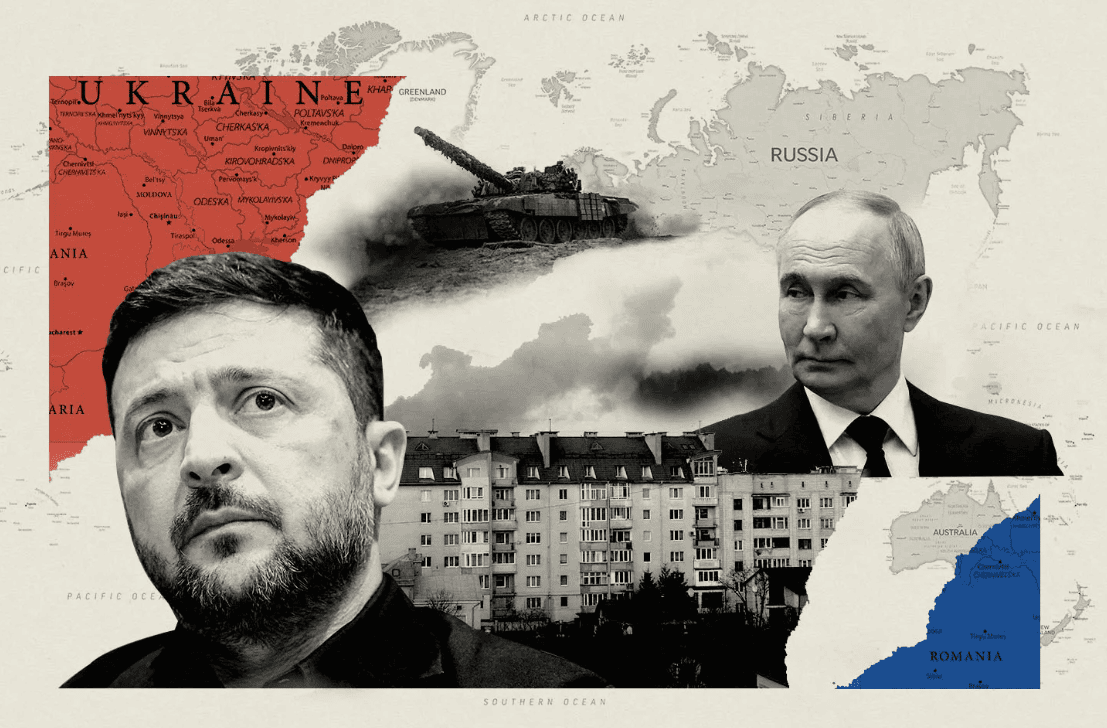
Renewed Strikes Underscore Continuing Escalation in the Fifth Year of the War
Russia and Ukraine have reported new civilian casualties following another wave of cross-border attacks, highlighting the continued intensity of a conflict that has entered its fifth year with no immediate prospect of a negotiated settlement.
Russian regional authorities said at least 14 people were killed in separate incidents across southern Russia, Crimea and the Belgorod region, while Ukrainian officials reported three deaths following a Russian strike in the Dnipropetrovsk region. The latest exchanges reflect the ongoing expansion of drone and missile attacks affecting areas beyond the front lines.
Background: Conflict Enters a Prolonged Phase
The Russia-Ukraine war continues to evolve as both countries increasingly rely on long-range drones, missiles and precision strikes targeting military infrastructure, logistics and strategic facilities.
While fighting remains concentrated in eastern and southern Ukraine, cross-border attacks have become more frequent, exposing civilian populations in both countries to greater risks. Both Moscow and Kyiv maintain that their military operations are directed at legitimate military objectives and deny intentionally targeting civilians.
Despite repeated international diplomatic efforts, negotiations remain stalled and hostilities continue across multiple fronts.
Civilian Casualties Reported on Both Sides
According to Russian officials, six people, including three children, were killed after drone debris fell in the resort village of Arkhipo-Osipovka in Russia’s Krasnodar region. Authorities also reported fatalities in Russian-occupied Crimea and the Belgorod region, with additional injuries recorded.
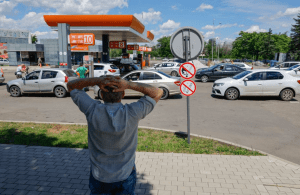
In Ukraine, regional officials said a Russian strike on a petrol station in the Kryvyi Rih district killed three people, including an emergency responder and his eight-year-old son. The attack also caused a fire and damaged nearby civilian infrastructure.
The reports could not be independently verified, and both governments continue to exchange accusations over responsibility for attacks affecting civilian areas.
Military Operations Continue Along the Front
Russia’s Ministry of Defence announced that its forces had captured the settlements of Bilyi Kolodiaz and Uspenivka in Ukraine’s Kharkiv region, continuing offensive operations in eastern Ukraine.
Meanwhile, Ukrainian forces reportedly carried out a drone strike targeting a warehouse operated by Russian e-commerce company Wildberries in Russia’s Vladimir region.
Ukrainian officials have previously argued that certain commercial facilities contribute to Russia’s military logistics by supplying dual-use equipment. Independent reports have identified products sold through the platform that could potentially serve both civilian and military purposes, although the company has not publicly confirmed any involvement in military supply operations.
International Support Remains a Key Factor
The latest escalation comes shortly after Ukrainian President Volodymyr Zelenskyy met US President Donald Trump to discuss continued American support, particularly regarding Ukraine’s air defence capabilities.
Air defence remains one of Kyiv’s highest priorities as Russian missile and drone attacks continue across the country. Discussions have also included potential cooperation on advanced defence systems, although questions remain regarding future US military assistance.
The conflict continues to shape broader discussions on European security, NATO support and Western military assistance to Ukraine.
Implications for International Relations
The sustained exchange of attacks demonstrates that neither side is showing signs of reducing military operations despite the prolonged nature of the conflict.
For Ukraine, continued international military support remains critical to defending infrastructure and civilian populations. For Russia, ongoing operations reflect efforts to maintain pressure across multiple sectors of the battlefield while responding to increasingly frequent Ukrainian drone attacks inside Russian territory.
The conflict also continues to influence global security policy, defence spending and diplomatic relations between Russia and Western governments.
Conclusion
The latest wave of attacks illustrates the continuing human and strategic costs of the Russia-Ukraine war as both sides report civilian casualties and expand military operations beyond the immediate front lines.
With diplomatic negotiations remaining at an impasse and military activity continuing to intensify, the conflict shows few signs of easing, leaving regional stability and international security under sustained pressure.











Comments are closed.