
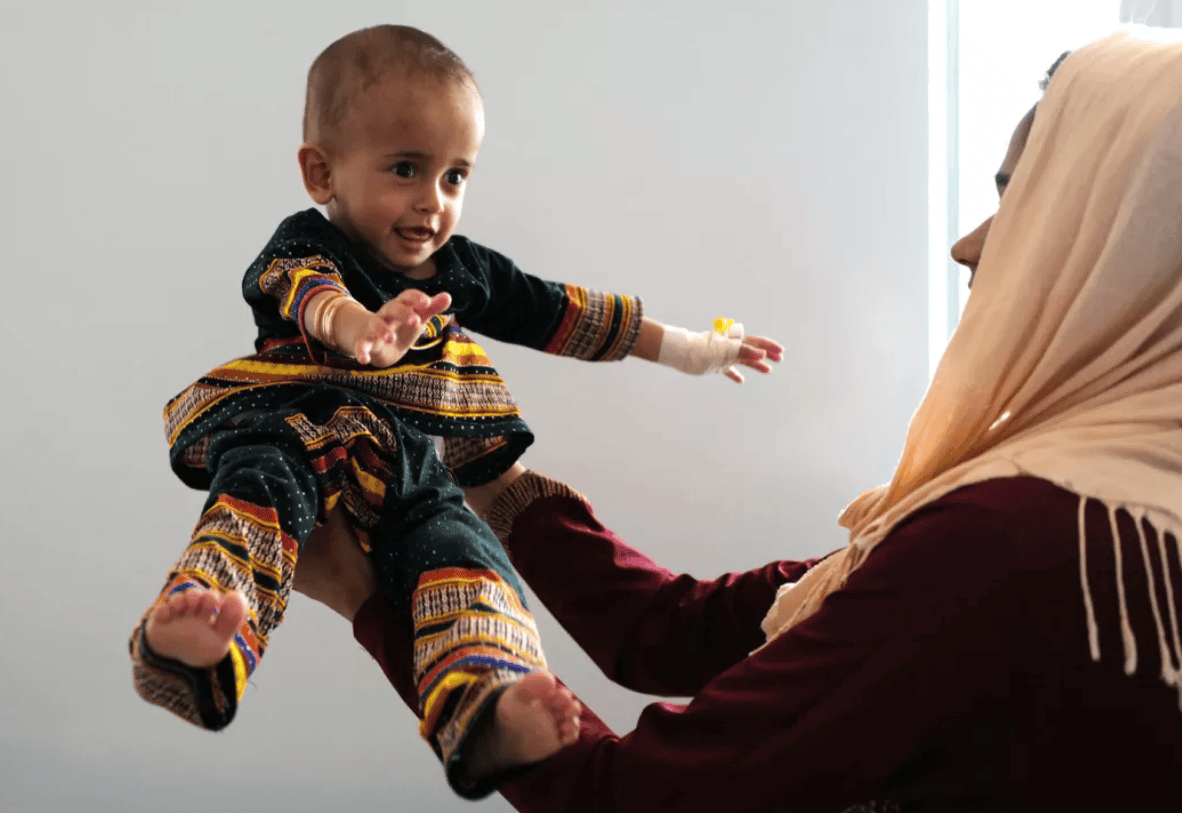
Afghanistan is facing a worsening Afghan child malnutrition crisis, with nearly 3.7 million children under five now affected by acute malnutrition, according to figures cited by Save the Children. The crisis is unfolding as healthcare services close, humanitarian funding declines and millions of people face displacement, drought and severe economic pressure.
The scale of the emergency is particularly alarming because young children are among the most vulnerable to shortages of nutritious food and basic healthcare. When malnutrition becomes severe, even common illnesses can become life-threatening.
Afghanistan’s Child Malnutrition Crisis Is Getting Worse
Recent data highlighted by Save the Children show that acute malnutrition among Afghan children has continued to rise rather than stabilise. Nearly one in 10 children under the age of five is now affected.
The situation has also deteriorated across much of the country. Acute malnutrition levels worsened in two-thirds of Afghanistan’s provinces during the second quarter of 2026 compared with the same period a year earlier.
Over the past four years, the number of children affected by acute malnutrition has increased by about 14 percent. That brings the estimated total to 3.7 million children in 2026.
For families already struggling to secure food, clean water and medical care, the consequences can be devastating.
What Acute Malnutrition Means for Afghan Children
Acute malnutrition, often called wasting, occurs when a child becomes dangerously underweight for their height. It can develop when children do not receive enough food or when serious illness prevents the body from absorbing or using nutrients properly.
The condition is especially dangerous during early childhood. A severely malnourished child can have a weakened immune system, making infections harder to survive. Without timely treatment, the combination of hunger and illness can quickly become critical.
That is why nutrition programmes and primary healthcare services are closely connected. Treating malnutrition without addressing illness, clean water or access to basic medical care can leave children exposed to continued risks.
Healthcare Closures Are Intensifying the Crisis
The Afghan child malnutrition crisis is not simply a story about food shortages. Access to healthcare has also become a major concern.
Save the Children says roughly 600 essential healthcare facilities have closed as humanitarian funding has declined. Before those closures, around four million people, including approximately two million children, depended on the affected services.
The loss of local clinics can have consequences far beyond emergency treatment. Health centres often provide vaccinations, maternal care, nutritional screening and treatment for childhood illnesses. When those services disappear, problems that could have been identified early may become much more serious.
Save the Children says it has maintained 14 health clinics, including services in remote mountainous areas of northern Afghanistan where access to healthcare is particularly difficult.
For families living far from major towns, the closure of a nearby clinic can mean a long and expensive journey to receive treatment. That distance can be critical when a child is already severely malnourished.
Why Humanitarian Funding Has Declined
Afghanistan’s humanitarian crisis has developed against a complicated political and economic backdrop.
International assistance fell sharply after the Taliban returned to power in August 2021 and the United States and its allies withdrew. Donors subsequently changed the way they supported Afghanistan, while sanctions, restrictions and concerns over the Taliban’s policies complicated the delivery of aid.
Humanitarian funding has fallen dramatically in recent years. Save the Children says assistance declined from approximately $3.27 billion in 2022 to $1 billion in 2025, representing a reduction of almost 70 percent.
By the middle of 2026, only about $438 million in humanitarian funding had reportedly been secured, leaving a substantial gap between identified needs and available resources.
The decline matters because humanitarian organisations depend on predictable funding to keep clinics operating, maintain nutrition programmes and reach vulnerable communities. When funding disappears, services can be suspended or closed even while the need for them continues to grow.
Displacement Is Adding Pressure to Afghan Families
The Afghan child malnutrition crisis is also being intensified by population movements.
Afghanistan’s population has increased by about 12 percent since September 2023, with more than six million Afghans returned from Pakistan and Iran as both countries tightened policies affecting Afghan refugees and increased deportations.
Many returnees arrive in circumstances that make rebuilding their lives difficult. Families may have limited income, inadequate housing and poor access to healthcare. Some also settle in areas already struggling with limited infrastructure and humanitarian resources.
Internal displacement creates another layer of vulnerability. Conflict, natural disasters and prolonged drought have forced families from their homes, increasing competition for scarce resources and making it harder for children to receive consistent care.
Drought, Hunger and Healthcare Are Interconnected
The current emergency cannot be explained by one factor alone.
Food insecurity, drought, displacement and weak access to healthcare can reinforce one another. A family affected by drought may lose income or access to food. A displaced household may then struggle to reach a clinic. If a child becomes sick, the combination of reduced food intake and illness can accelerate malnutrition.
This cycle is particularly dangerous for children under five because their nutritional needs are high and their bodies are still developing.
Humanitarian organisations therefore face the challenge of addressing several problems simultaneously. Food assistance may prevent hunger, while nutrition treatment, clean water, healthcare and support for displaced families can help reduce the risk of children falling into severe malnutrition.
What Happens If the Funding Gap Continues?
The consequences of continued underfunding could extend well beyond the immediate humanitarian emergency.
Children who survive severe malnutrition may still face lasting effects if they do not receive adequate nutrition and healthcare during critical stages of development. Meanwhile, the closure of healthcare facilities can weaken the broader health system and leave communities less prepared for future emergencies.
Save the Children has warned that international organisations need to respond before families reach the point of crisis rather than waiting until children require emergency treatment.
That approach is important because prevention is often more effective than responding after severe malnutrition has already developed. Early screening, access to nutritious food and functioning local health services can help identify vulnerable children before their condition becomes life-threatening.
The Afghan Child Malnutrition Crisis Needs Sustained Attention
The Afghan child malnutrition crisis reflects a wider humanitarian emergency in which declining aid, displacement, drought and reduced healthcare access are converging.
Nearly 3.7 million children under five are now estimated to be affected by acute malnutrition. At the same time, hundreds of healthcare facilities have reportedly closed, while humanitarian funding remains far below the level required to meet growing needs.
For Afghan families, these figures represent more than an international crisis. They represent children who need food, treatment and basic medical care.
The immediate challenge is to prevent more children from becoming severely malnourished. The longer-term challenge is rebuilding reliable systems that allow families to access healthcare and nutrition support before an emergency becomes irreversible. Without sustained humanitarian assistance, the pressure on Afghanistan’s youngest and most vulnerable citizens is likely to remain severe.












Comments are closed.