
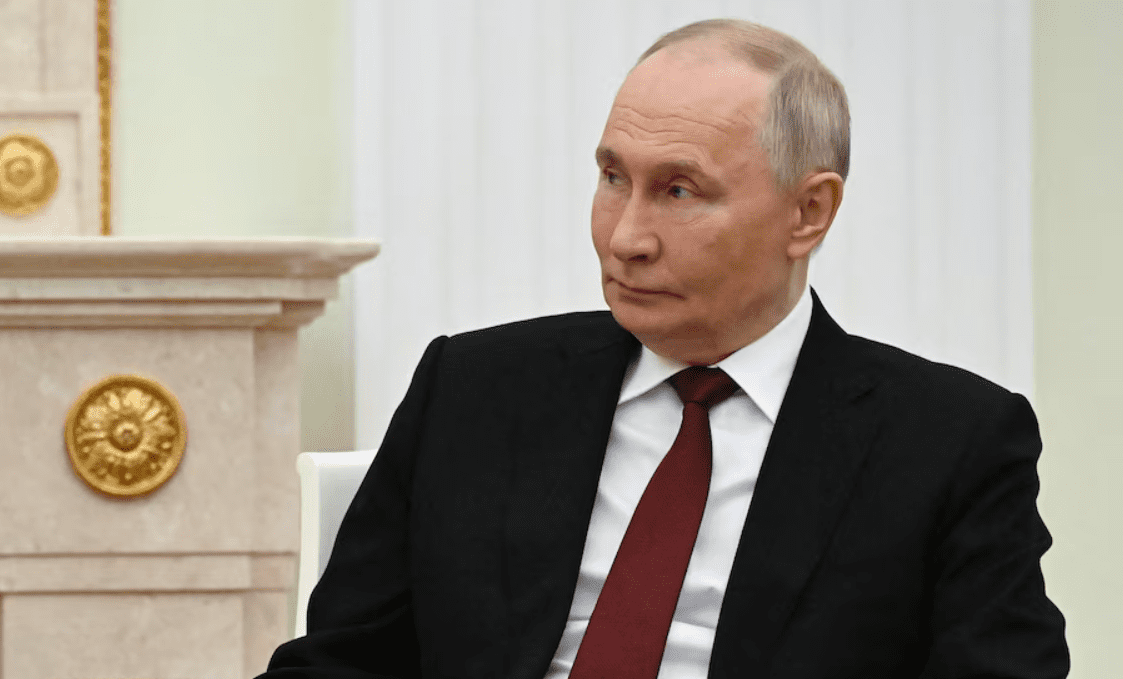
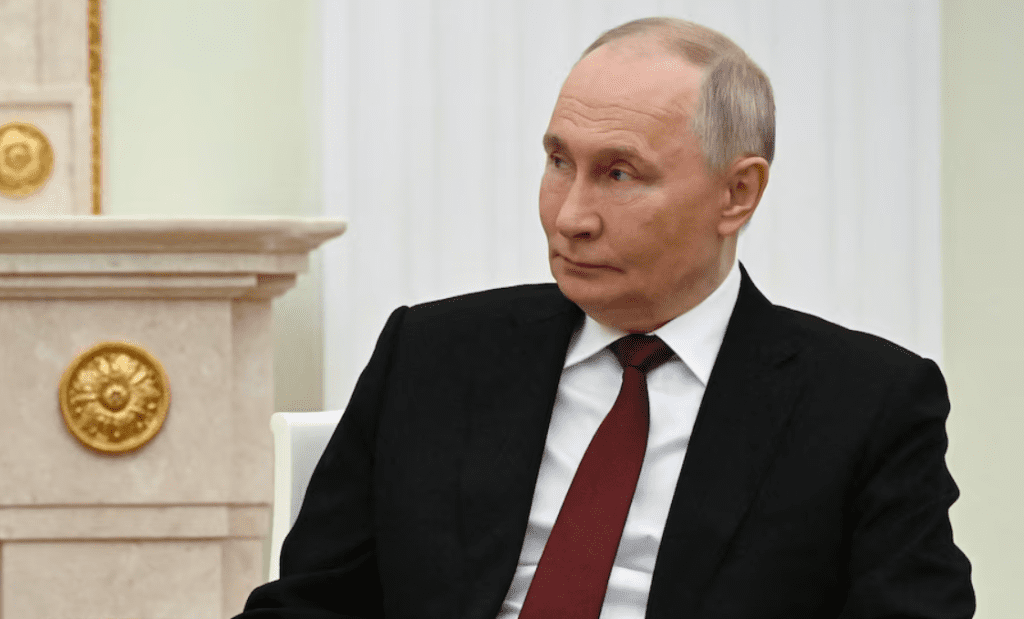
More than four years after Russia launched its full-scale invasion of Ukraine, President Vladimir Putin remains publicly unwavering in his war aims. Yet beneath the Kremlin’s carefully controlled messaging, subtle signs suggest that a debate over the future of the conflict may be beginning to surface inside Russia itself.
While the Russian president continues to insist that Moscow’s objectives are being achieved, growing economic pressures, battlefield challenges, and mounting war fatigue are fueling discussions that were once almost unthinkable in public discourse.
The question now is no longer whether Vladimir Putin remains committed to the war in Ukraine. The real question is whether parts of Russia’s political and intellectual establishment are beginning to reassess the costs of an increasingly prolonged conflict.
Putin’s Position on the Ukraine War Remains Unchanged
Since ordering the invasion of Ukraine in February 2022, Vladimir Putin has consistently projected confidence in Russia’s military campaign.
Despite years of fighting, extensive sanctions, and significant losses on both sides, the Kremlin leader continues to argue that Russia is achieving its strategic goals. Moscow maintains its demands regarding territories in eastern Ukraine and has shown little willingness to compromise publicly.
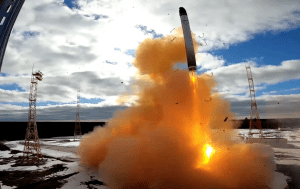
Recent large-scale missile and drone attacks across Ukraine have reinforced the perception that the Kremlin is prepared to escalate military pressure rather than seek a rapid settlement.
As international attention turns toward another year of conflict, there is little evidence that Putin intends to alter his core objectives.
A War That Lasted Far Longer Than Expected
From Special Military Operation to Prolonged Conflict
When Russian forces crossed into Ukraine in 2022, many observers believed the Kremlin expected a swift campaign.
Instead, the conflict has evolved into a grinding war of attrition that has stretched into its fifth year.
The prolonged fighting has reshaped Russia’s economy, foreign policy, and domestic political landscape. What was originally presented as a limited military operation has become one of the most consequential geopolitical conflicts of the 21st century.
For ordinary Russians, the war has become a permanent backdrop to daily life.
Ukraine’s Ability to Strike Inside Russia
One of the most significant developments in recent years has been Ukraine’s growing ability to target locations deep inside Russian territory.
Drone attacks have increasingly reached energy infrastructure, military facilities, and strategic assets far from the front lines. In some cases, regions previously considered insulated from the war have experienced direct impacts.
These developments have challenged perceptions of security inside Russia and highlighted the evolving nature of modern warfare.
As technology continues to reshape battlefield dynamics, geographic distance no longer guarantees protection.
Economic Pressure Continues to Mount
While Russia has demonstrated resilience in the face of international sanctions, economic challenges continue to accumulate.
Budget Strains and Slowing Growth
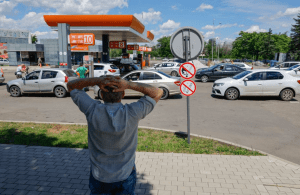
Years of military spending have placed increasing pressure on government finances. Rising defense expenditures have forced policymakers to make difficult budgetary choices while managing inflation, labor shortages, and slower economic growth.
Although Russia has adapted by strengthening trade relationships with non-Western partners, many economists argue that the long-term consequences of sanctions and isolation continue to weigh on key sectors.
The economic burden of maintaining a prolonged military campaign remains one of the Kremlin’s most significant challenges.
The Cost of Endless Conflict
For many countries throughout history, long wars have eventually generated debates about sustainability and national priorities.
Russia may be approaching a similar moment.
As military commitments continue and economic pressures grow, questions about the duration and ultimate objectives of the conflict are becoming harder to ignore.
The Fading Hope of a Diplomatic Breakthrough
Another notable shift involves Russian perceptions of the United States and its role in ending the war.
At various points, some Russian officials appeared optimistic that changing political dynamics in Washington could create conditions favorable to Moscow’s negotiating position.
However, expectations of a breakthrough have gradually diminished.
With no comprehensive peace agreement emerging and military operations continuing on both sides, optimism surrounding a near-term diplomatic resolution has largely faded.
The result is growing uncertainty about how and when the conflict might eventually conclude.
Is Public Discussion About the War Changing?
New Voices Enter the Conversation
Perhaps the most intriguing development is the appearance of increasingly candid discussions within segments of Russia’s political and academic communities.
Several commentators and analysts have begun openly questioning whether Russia can realistically achieve all of its stated objectives in Ukraine.
Some experts have argued that fully accomplishing those goals would require resources and military commitments that may not be feasible over the long term.
Others have warned about the risks of an open-ended conflict with no clear conclusion.
While these perspectives remain far from mainstream government messaging, their appearance in Russian publications has attracted attention from political observers.
Debate Exists, but So Do Limits
The emergence of these discussions does not necessarily indicate a major shift in Kremlin policy.
Russia’s media environment remains tightly controlled, and public criticism of the war continues to face significant restrictions.
In some cases, articles raising uncomfortable questions have reportedly disappeared from public view after publication, highlighting the boundaries that still exist around political discourse.
As a result, while debate may be increasing, it remains carefully constrained.
Why the Ukraine War Matters for Russia’s Future
The conflict has become about more than military objectives.
It now influences nearly every aspect of Russia’s domestic and international position, from economic development and technological innovation to diplomatic relationships and national identity.
For decades, Russian political culture has emphasized narratives of strength, resilience, and historical victory. The outcome of the Ukraine war will inevitably shape how future generations interpret Russia’s place in the world.
That reality helps explain why discussions about ending the conflict remain politically sensitive.
The stakes extend far beyond the battlefield.
Conclusion: Putin Remains Firm, but Questions Are Growing
Vladimir Putin continues to present a confident and uncompromising vision for Russia’s war in Ukraine. Publicly, there is little indication that the Kremlin is preparing to change course or scale back its ambitions.
Yet beneath that official position, signs of a broader conversation are beginning to emerge. Economic strain, military realities, and the sheer length of the conflict are prompting some Russian voices to ask difficult questions about the future.
Whether those discussions eventually influence policy remains uncertain. What is clear, however, is that as the war enters another year, the debate over Russia’s path forward is becoming increasingly difficult to suppress.
For now, Putin remains steadfast. But the conversation surrounding the Ukraine war may be evolving in ways that could shape Russia’s future long after the fighting ends.

Comments are closed.