
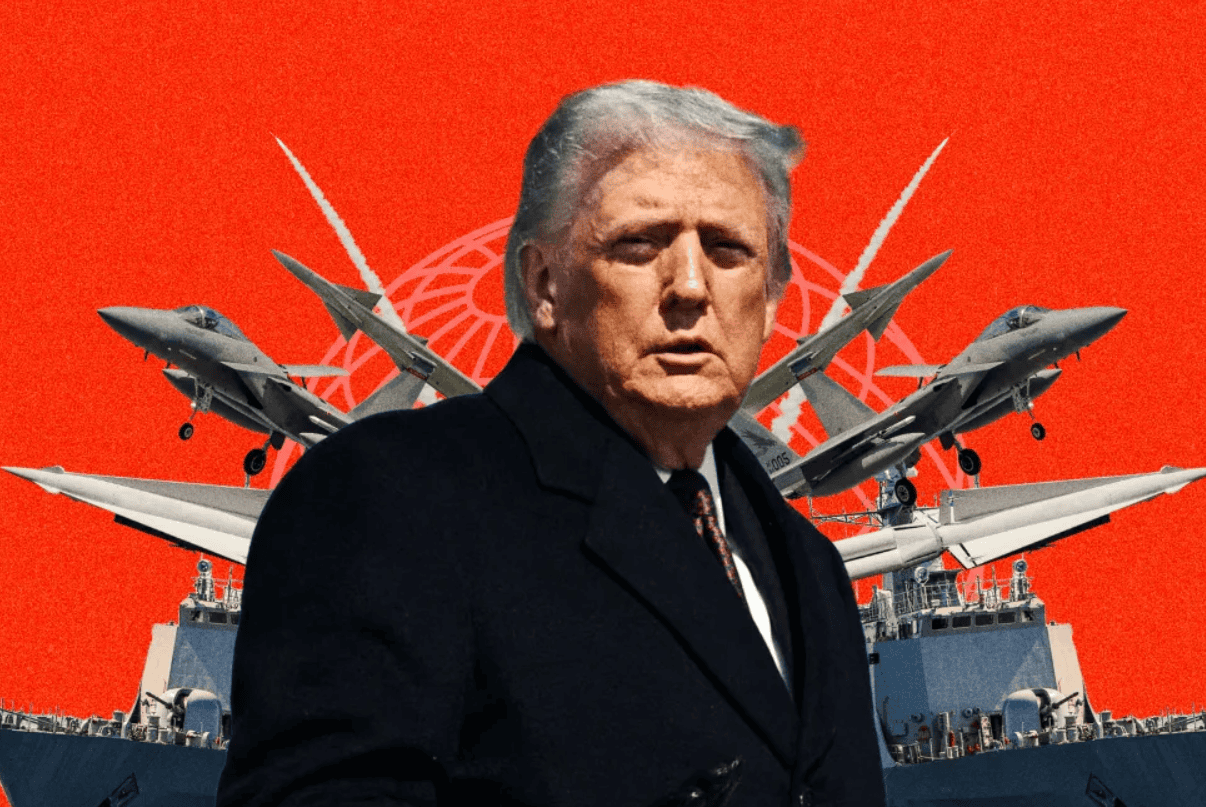
The Iran war appears to be entering a critical diplomatic phase as US President Donald Trump says the conflict “can’t go on much longer” and suggests that negotiations to reopen the Strait of Hormuz are approaching a breakthrough. While fighting and regional instability continue, recent diplomatic developments indicate that all sides may be searching for a temporary path toward de-escalation.
Despite the optimistic rhetoric, the situation remains highly volatile. Military operations continue across several fronts, including Lebanon, Yemen, Gaza, and the occupied West Bank, underscoring how deeply interconnected the regional security landscape has become. Analysts caution that even if a Hormuz agreement is finalized, broader geopolitical tensions are unlikely to disappear overnight.
Iran War Enters a Potential Turning Point
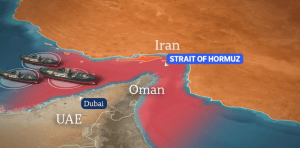
Nearly six months after the conflict intensified, the war has evolved from a primarily military confrontation into a broader geopolitical and economic crisis. The closure and restricted use of the Strait of Hormuz have disrupted one of the world’s most important energy corridors, contributing to higher oil prices, shipping delays, and growing concerns across global markets.
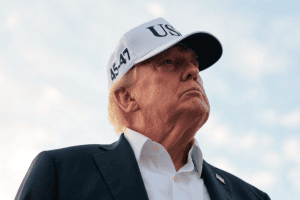
Speaking about the latest negotiations, Trump expressed confidence that the conflict could conclude “pretty soon,” arguing that prolonged fighting benefits no one. His comments coincide with reports that Washington, Tehran, and Omani mediators are working toward a temporary arrangement designed to restore commercial shipping through the strategic waterway.
Why the Strait of Hormuz Matters
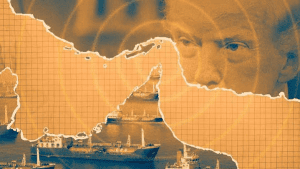
The Strait of Hormuz remains one of the world’s most strategically significant maritime chokepoints. Before the conflict escalated, roughly one-fifth of globally traded oil moved through the narrow passage connecting the Persian Gulf with international markets.
Since shipping was severely disrupted, energy markets have experienced significant uncertainty. Insurance premiums for commercial vessels have risen sharply, while many shipping companies remain cautious about returning to normal operations.
Iran War and Hormuz Negotiations
Current negotiations reportedly focus on reopening commercial traffic while addressing security concerns raised by both Iran and the United States. Although officials have described discussions as productive, several important details remain unresolved.
According to multiple reports, mediators are attempting to establish temporary navigation arrangements that would allow commercial vessels to resume operations while reducing the risk of further military confrontation. However, final approval depends on political agreement from all parties involved.
Fighting Continues Across Multiple Fronts
Even as diplomacy gains momentum, violence continues throughout the region.
In southern Lebanon, Israeli military operations have continued alongside reports of cross-border exchanges. Meanwhile, the humanitarian situation in Gaza remains severe, with medical workers warning that shortages of clean drinking water are contributing to worsening public health conditions.
Elsewhere, Israeli military operations in parts of the occupied West Bank have resulted in arrests, property damage, and injuries, while reports also describe attacks involving Israeli settlers and Palestinian communities.
These developments demonstrate that any agreement focused solely on the Iran war would not automatically resolve the wider network of regional conflicts currently unfolding.
Yemen Adds Another Layer to the Crisis
The conflict in Yemen remains closely linked to broader regional dynamics.
Houthi forces have continued missile and drone attacks against areas controlled by Yemen’s internationally recognized government. The group argues it is responding to what it describes as preparations for a new offensive supported by Saudi Arabia.
Government officials reject those claims and continue to insist that a political settlement requires the Houthis to relinquish control over territories they currently administer.
The continued fighting highlights how the Iran war has influenced security calculations far beyond Iran’s borders.
Regional Diplomacy Accelerates
Diplomatic activity has intensified alongside the military developments.
Turkiye, Saudi Arabia, and Pakistan have expanded consultations amid growing concerns about regional security. Analysts believe discussions could include greater defense cooperation, military coordination, and long-term security planning.
Pakistan’s leadership is also seeking stronger economic cooperation with Saudi Arabia while regional instability continues to place pressure on energy supplies, investment, and trade.
These diplomatic initiatives suggest that regional governments are preparing for multiple scenarios, whether negotiations succeed or the conflict continues.
Global Economic Stakes Remain High
The Iran war has become far more than a regional security issue.
Disruptions in the Strait of Hormuz have affected global energy markets, shipping costs, and inflation expectations. Oil-importing nations, shipping companies, and financial markets continue monitoring negotiations closely because even limited progress could help stabilize international trade.
However, shipping activity remains well below normal levels, reflecting ongoing concerns among vessel owners regarding security risks in the Gulf. Many operators are waiting for stronger guarantees before fully resuming commercial routes.
Challenges That Could Delay Peace
Although recent statements appear encouraging, several significant obstacles remain.
Among the key challenges are:
- Finalizing security arrangements for commercial shipping.
- Building trust between long-standing adversaries.
- Preventing renewed military incidents during negotiations.
- Managing domestic political pressures on all sides.
- Addressing wider regional conflicts linked to the crisis.
History shows that ceasefire negotiations in the Middle East often remain fragile even after preliminary agreements are announced.
What Happens Next in the Iran War?
The coming days could prove decisive.
If negotiators successfully conclude a temporary Hormuz agreement, commercial shipping could gradually resume, easing pressure on global energy markets and reducing immediate risks of further escalation.
Nevertheless, experts emphasize that reopening the waterway would represent only one step toward broader stability. Lasting peace would require wider political agreements addressing security concerns, regional proxy conflicts, humanitarian issues, and long-standing diplomatic disputes.
For now, the Iran war remains at a crossroads. Trump’s remarks have raised expectations that diplomacy may finally gain momentum, but military operations across the region demonstrate that the path toward a durable settlement remains uncertain. The next phase will likely depend on whether ongoing negotiations can produce practical agreements that both reduce immediate tensions and create space for longer-term political dialogue.









Comments are closed.