
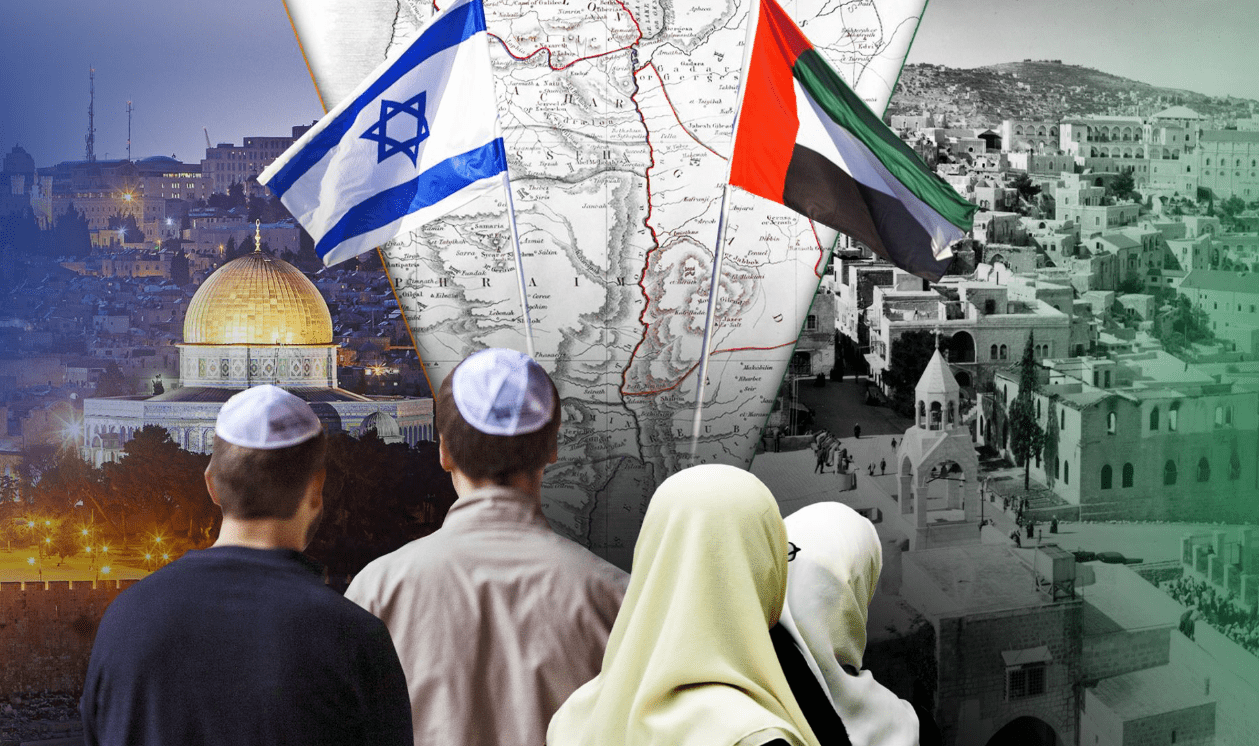
Despite an ongoing ceasefire framework intended to reduce hostilities in Gaza, recent days have seen continued violence, military operations, and rising diplomatic tensions across both the Gaza Strip and the occupied West Bank. The developments have intensified international scrutiny of the conflict while raising new questions about the durability of current ceasefire arrangements and prospects for a broader political resolution.
The period coincided with Eid al-Adha, one of Islam’s most significant religious holidays, yet reports from Palestinian authorities, humanitarian organizations, and international observers indicated that military strikes, security operations, and settler-related incidents continued throughout the holiday period.
Continued Violence Amid Ceasefire Efforts
Palestinian health authorities reported dozens of casualties in Gaza during the Eid holiday period, despite the existence of a ceasefire agreement intended to reduce military activity. Israeli military operations reportedly included air strikes and targeted attacks against individuals identified as members of Hamas and other armed groups.
Israeli officials have maintained that operations targeting militant infrastructure and leadership remain necessary to address security threats. Hamas, meanwhile, has accused Israel of violating ceasefire commitments and undermining efforts to stabilize the territory.
Among recent developments was the reported killing of senior Hamas military figures in Israeli strikes. Israeli media and security analysts have suggested that such operations reflect efforts to weaken Hamas’s command structure and deter future armed activity.
The continuing violence has contributed to growing concerns among international mediators that the ceasefire could further erode if negotiations fail to address underlying political and security disputes.
International Criticism and Diplomatic Pressure
Israel has faced increasing diplomatic pressure from international organizations and several governments over its conduct during the conflict.
Recent United Nations reports examining allegations of conflict-related abuses have generated renewed debate regarding accountability and compliance with international humanitarian law. Israeli officials have strongly rejected many of the allegations and criticized what they describe as institutional bias within certain international bodies.
At the same time, several European governments have taken additional measures against individuals and organizations linked to extremist settler activity in the occupied West Bank. These actions reflect growing concern among Western allies regarding rising tensions in Palestinian communities and the expansion of unauthorized settlement activity.
The diplomatic environment has become increasingly complex as governments attempt to balance support for Israel’s security concerns with calls for greater civilian protection and adherence to international legal standards.
Debate Over Gaza’s Future Governance
Political controversy has also emerged following statements from senior Israeli leaders regarding future control of Gaza.
Prime Minister Benjamin Netanyahu has indicated support for expanding Israeli security control in portions of the territory, arguing that long-term security arrangements are necessary to prevent future attacks. Critics, including several international governments and Palestinian representatives, have warned that any permanent territorial changes could complicate future peace negotiations and violate existing diplomatic understandings.
The issue remains central to ongoing discussions involving regional mediators, the United States, and international organizations seeking a post-conflict framework for Gaza’s governance, reconstruction, and security.
Humanitarian Challenges Deepen
Humanitarian conditions in Gaza continue to deteriorate as infrastructure damage, shortages of medical supplies, and limitations on aid distribution affect daily life for civilians.
Hospital administrators and aid agencies have warned that healthcare facilities remain under severe strain, with some medical centers facing equipment shortages and interruptions to essential services. International humanitarian organizations continue to call for expanded access to aid deliveries and reconstruction assistance.
Efforts to finance and coordinate large-scale rebuilding projects have also encountered obstacles. Questions remain regarding funding mechanisms, governance structures, and security guarantees needed to support long-term reconstruction.
The humanitarian dimension of the conflict has become a major focus of international diplomacy, with aid organizations emphasizing the need for sustained access and civilian protection measures.
Escalation of Tensions in the West Bank
Alongside developments in Gaza, violence has also increased across parts of the occupied West Bank.
Palestinian officials and human rights organizations have reported incidents involving settler attacks, property destruction, clashes with residents, and confrontations involving Israeli security forces. Israeli authorities have stated that security operations are conducted in response to threats and attacks against Israeli civilians.
The region has witnessed recurring cycles of violence involving Palestinian militants, settlers, and Israeli forces, contributing to heightened instability and complicating diplomatic efforts aimed at reducing tensions.
Several incidents during the past week prompted condemnation from international actors concerned about rising unrest and the potential for broader escalation.
Implications for Regional Stability
The persistence of violence despite ceasefire arrangements highlights the fragility of current efforts to de-escalate the conflict. For the United States and regional mediators, maintaining the ceasefire remains a critical objective within broader US foreign policy efforts in the Middle East.
The situation also continues to affect regional diplomacy, including relations among Israel, Arab states, European governments, and international organizations. Ongoing instability risks undermining diplomatic initiatives designed to promote reconstruction, security cooperation, and political dialogue.
Analysts note that without progress on core issues—including governance, security arrangements, humanitarian access, and the future status of Palestinian territories—periodic escalations are likely to continue.
Conclusion
As violence continues in Gaza and the West Bank, international pressure is mounting for measures that can preserve the ceasefire and create conditions for longer-term stability. While diplomatic channels remain active, the gap between security concerns, humanitarian needs, and political objectives continues to challenge efforts to reach a sustainable resolution.
The coming weeks are likely to be critical as mediators assess whether existing agreements can hold and whether renewed negotiations can prevent a return to wider conflict.















Comments are closed.