
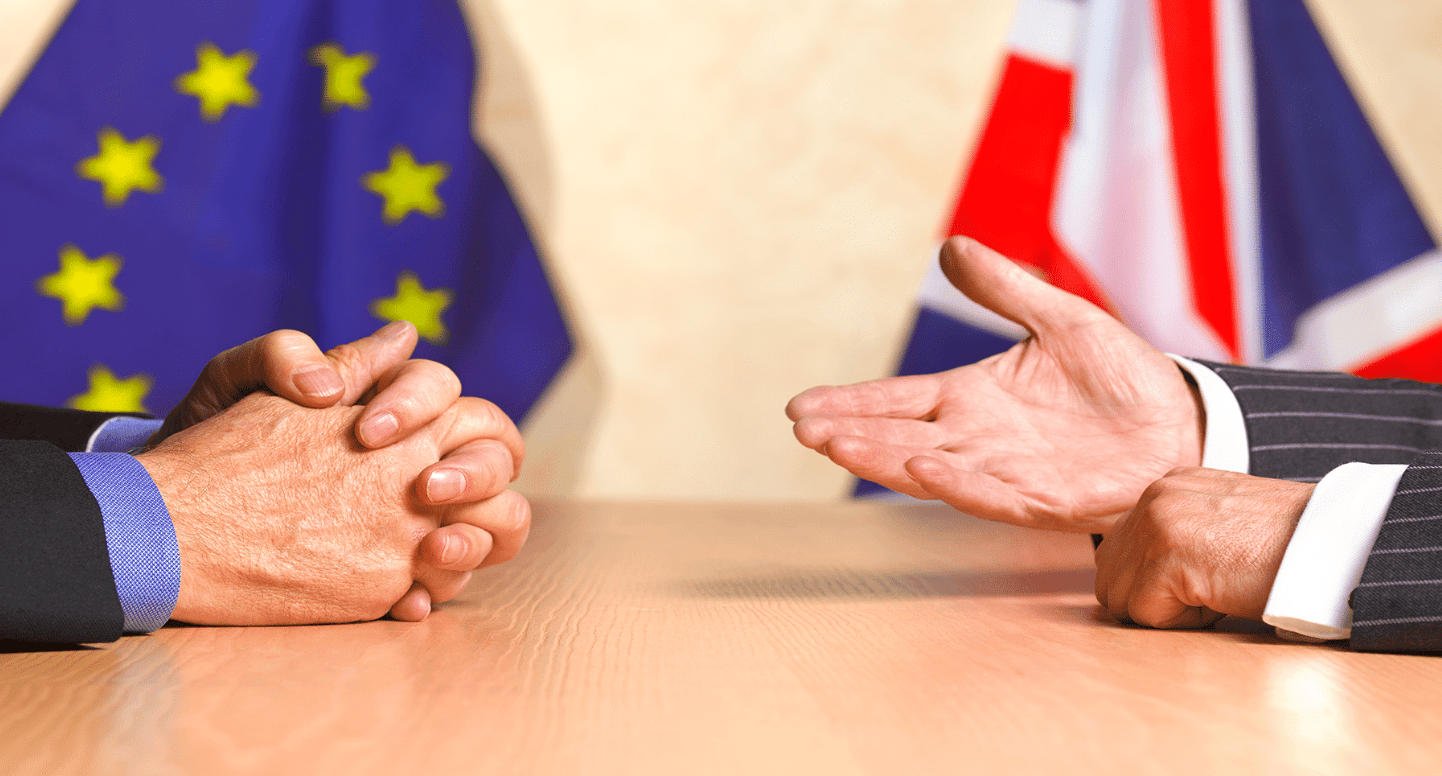
Britain rejoining the EU is back in the political spotlight after a new poll suggested that around half of respondents support returning to the European Union. The findings have reignited debate about Brexit, the UK economy and whether closer ties with Europe could help Britain tackle its long-term challenges. However, rejoining would involve far more than reversing the 2016 referendum result.
As discussions about the UK’s future relationship with Europe gather momentum, questions are emerging about trade, immigration, national sovereignty and the rules Britain would need to accept. Although public support for rejoining appears to be growing, a return to full EU membership would require difficult negotiations and significant political decisions.
Britain Rejoining the EU: What Does the Latest Poll Reveal?
A recent poll by The Messina Group, published in The Guardian, found that 29% of respondents strongly supported the UK rejoining the European Union. Another 21% somewhat supported the idea, bringing the combined figure to 50%.
The findings suggest that public opinion about Brexit may be shifting. However, support for a closer relationship with Europe does not necessarily mean voters agree on exactly what that relationship should look like.
The same poll indicated that just under half of respondents supported changing the UK’s existing arrangements with the EU. Potential alternatives included joining a customs union or the single market, as well as pursuing some form of associate membership.
These options matter because Britain does not have to choose exclusively between its current relationship with Europe and full membership. Different arrangements could provide greater economic integration without immediately committing the country to every obligation associated with EU membership.
Nevertheless, polling results represent public sentiment at a particular moment. A lasting political mandate would require broader support for the practical consequences of rejoining, including financial contributions, immigration arrangements and shared decision-making.
Why Is Britain Considering a Return to the European Union?
The debate has intensified following Prime Minister Andy Burnham’s comments about the UK’s long-term relationship with Europe.
During his first Labour conference speech as prime minister, Burnham argued that Britain needed to reconsider its position in relation to what he described as its largest market. He also expressed the view that Brexit had caused more harm than good and called for a stronger path towards economic growth and prosperity.
These remarks have renewed questions about whether the current arrangements deliver enough economic benefit for Britain.
Brexit’s Economic and Political Legacy
Since leaving the EU, the UK has had to navigate new trading arrangements, additional administrative requirements for some businesses and changes to the movement of people between Britain and the bloc.
For companies trading across borders, differences in regulations and customs procedures can create additional costs. Smaller businesses may find these requirements particularly challenging because they often have fewer resources to manage international compliance.
At the same time, Brexit supporters argue that leaving the EU gave Britain greater freedom to shape its own laws, immigration policies and trade relationships. They maintain that the country can pursue opportunities outside the bloc without accepting the full obligations of membership.
Consequently, the discussion is not simply about whether Brexit succeeded or failed. It is also about which economic and political priorities should guide Britain’s relationship with Europe over the coming decades.
What Would Happen If the UK Rejoined the EU?
A return to membership could reshape Britain’s economic relationships, legal obligations and approach to immigration. However, the precise consequences would depend on the terms negotiated with EU member states.
Daniel Schatz, a political scientist and international affairs expert, has cautioned that rising support for rejoining should not be mistaken for a settled public mandate.
He argues that voters would need to consider the trade-offs involved, particularly free movement, shared rule-making and the potentially lengthy process of negotiating membership.
1. Trade With European Countries Could Become Easier
One of the main arguments for rejoining the EU concerns trade.
EU membership provides access to the bloc’s single market, which is built around the movement of goods, services, capital and people. Membership also places countries within a common regulatory framework, reducing certain barriers to cross-border economic activity.
If Britain returned, businesses could potentially benefit from more integrated trading arrangements and greater regulatory alignment with European partners.
This could be particularly relevant to manufacturers, exporters and companies operating complex European supply chains. However, the scale of any economic benefits would depend on the final agreement, the wider economic environment and the costs associated with meeting EU requirements.
Rejoining would not automatically resolve every challenge facing the British economy. Productivity, investment, housing, public services and domestic policy would remain important factors in determining the country’s economic performance.
2. Immigration Rules Could Change Significantly
Free movement would be another central issue in negotiations.
EU membership generally gives citizens of member states the right to move to other participating countries to live and work, subject to applicable rules. Returning to the bloc would therefore raise difficult questions about how Britain manages European migration alongside its existing immigration policies.
Supporters might welcome greater opportunities for British citizens to work, study and live across Europe. Businesses could also benefit from easier access to workers from EU countries.
However, voters concerned about immigration would want clarity on how free movement could affect public services, employment and local communities.
According to Schatz, Britain could not assume that its previous arrangements would automatically be restored. Any special terms would need to be negotiated and accepted by the EU member states.
3. Britain Would Need to Accept Shared Rules
EU membership involves participating in a system of common laws, standards and institutions. While member countries retain significant national powers, some decisions are made collectively under agreed procedures.
That means rejoining would require Britain to reconsider how much regulatory independence it is willing to exchange for closer economic integration.
The UK previously benefited from certain opt-outs, including arrangements concerning the euro and the Schengen passport-free travel area. However, these exemptions would not automatically return if Britain applied to rejoin.
Schatz has warned that the EU would also seek credible assurances that Britain would remain committed to membership rather than pursue another withdrawal.
For both sides, trust would be crucial. Negotiations would involve not only economic interests but also questions about political stability and the long-term reliability of the relationship.
Could Britain Rejoin Without Becoming a Full EU Member?
Full membership is only one possible direction for Britain’s relationship with Europe.
Several alternative arrangements could offer closer economic cooperation while leaving the UK outside the EU’s political institutions. Each would involve different benefits, limitations and obligations.
Joining the Single Market
The single market aims to reduce barriers to trade between participating countries. A closer relationship with it could help British businesses by reducing certain regulatory obstacles and making cross-border commerce more straightforward.
However, participation would require Britain to accept relevant rules and oversight arrangements. Depending on the model, it could also involve obligations concerning the movement of people.
Rejoining a Customs Union
A customs union could reduce customs barriers between Britain and the EU and simplify trade in goods.
However, a customs union is not the same as full single-market participation. It would not automatically remove every regulatory obstacle, particularly those affecting services, and could restrict Britain’s ability to set independent tariffs on goods from countries outside the arrangement.
Exploring an EEA or Associate Membership Model
The European Economic Area provides a framework through which participating non-EU countries take part in much of the single market. Norway, Iceland and Liechtenstein are members of the EEA, while Switzerland maintains a different network of agreements with the EU.
An associate membership arrangement could also be explored, depending on what the EU was prepared to offer and what Britain was willing to accept.
These models are not interchangeable, and none guarantees that Britain could secure all the advantages of EU membership while avoiding its responsibilities.
Ultimately, the best option would depend on the UK’s priorities, the EU’s negotiating position and the balance between economic access and political independence.
What Are the Biggest Obstacles to Rejoining the EU?
Even if public support continues to grow, the path back to membership would be complicated.
First, Britain would need a durable domestic political consensus. A government would face difficult questions about immigration, financial contributions, regulatory authority and the role of European institutions.
Second, the EU would need to agree to the terms of accession. Existing member states would have their own economic and political priorities, meaning Britain could not dictate the conditions of its return.
Third, the negotiations could take considerable time. Rejoining would involve examining the UK’s legal framework, determining which rules it would need to adopt and resolving outstanding questions about its relationship with EU institutions.
Finally, any future government would need to convince voters that the proposed arrangement was sustainable. A narrow or temporary majority might not provide sufficient political stability for such a significant change.
Could Britain Rejoin the EU in the Future?
The latest polling suggests that the debate over Brexit is far from settled. With half of respondents in the reported survey expressing some level of support for rejoining, politicians have a clear reason to examine Britain’s options more closely.
However, public support for closer European ties should not be confused with agreement on the precise terms of membership.
Britain could pursue a closer trading relationship, seek greater cooperation in selected areas or eventually consider full EU membership. Each route would require difficult compromises, and the outcome would depend on negotiations with European partners as well as decisions made at home.
For now, Britain rejoining the EU remains a possibility under discussion rather than an established political plan. The central question is whether the economic and practical benefits of closer integration would outweigh the obligations involved.
As the debate develops, voters will need more than headline polling figures to assess the choices ahead. The details of any proposed agreement, its impact on everyday life and the durability of public support will ultimately determine whether a return to Europe becomes a realistic political objective.







Comments are closed.