
A new geopolitical rift is emerging within one of the world’s most powerful alliances. As the Iran conflict continues to strain international relations, the United States is reportedly considering drastic measures against key NATO partners, including Spain and the United Kingdom.
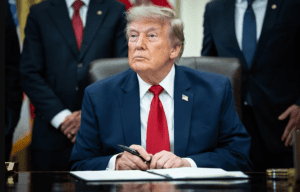
According to internal communications, the administration of Donald Trump is weighing options that could reshape the future of the NATO alliance. At the center of the controversy lies frustration over what Washington sees as insufficient support from its European allies.
Pentagon Leak Reveals Rising Frustration
The tensions came to light following reports of an internal Pentagon email. The document outlines potential actions the US could take against allies that have not fully backed its position in the Iran conflict.
Among the most striking proposals is the idea of suspending Spain from NATO. While largely symbolic in military terms, such a move would carry significant political weight.
Additionally, the email suggests revisiting US policy regarding the Falkland Islands, a British Overseas Territory long disputed by Argentina. This signals that even long-standing alliances may not be immune to pressure.
Why the US Is Targeting European Allies
Disputes Over Military Support
The core issue behind the conflict is military cooperation. The US has expressed strong dissatisfaction with European allies that have refused to fully support its operations against Iran.
Spain, in particular, has denied the use of its airspace and military bases for US strikes. This decision has drawn sharp criticism from Washington.
Meanwhile, the United Kingdom initially hesitated to allow US military use of its bases. Although later approved for defensive purposes, the delay contributed to growing tensions.
Trump’s Strong Words on NATO
President Trump has not held back in his criticism. He has labeled NATO allies as unreliable and accused them of failing to meet expectations.
Furthermore, he has pushed for greater involvement from member states, including deploying naval forces to strategic areas like the Strait of Hormuz.
These demands have placed additional strain on diplomatic relations.
NATO Unity Under Pressure
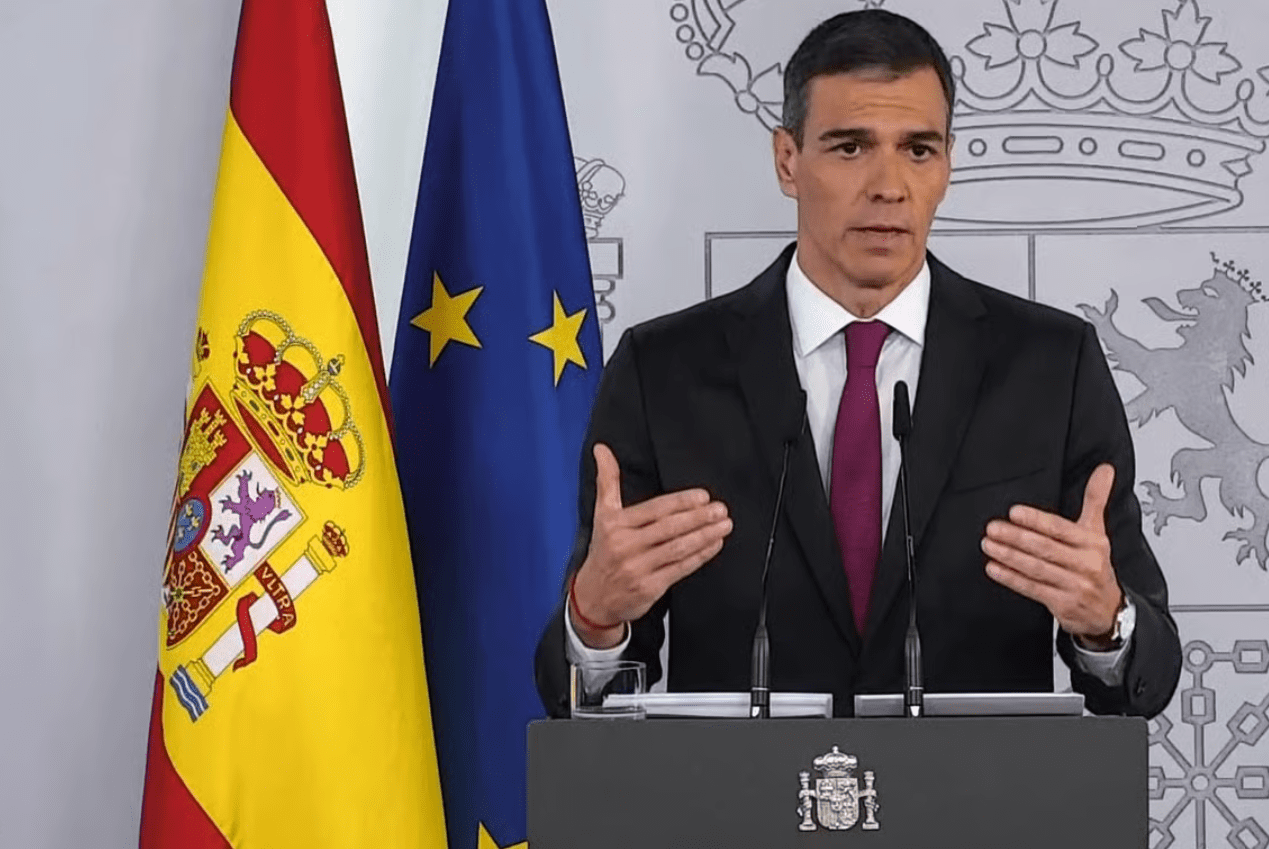
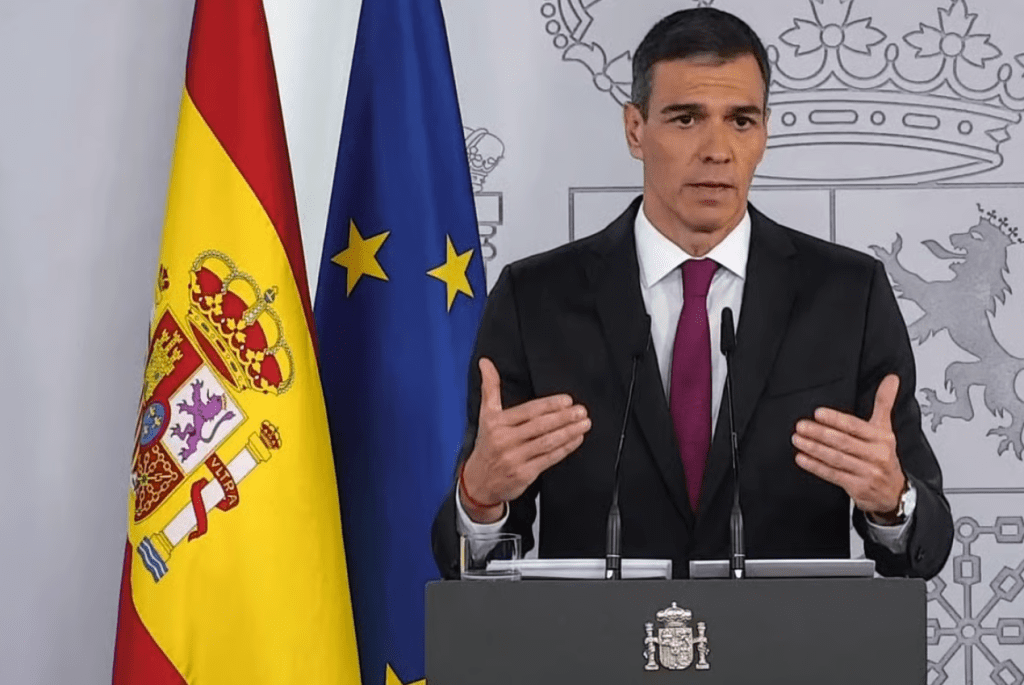
The situation has prompted reactions from European leaders. Spanish Prime Minister Pedro Sanchez has dismissed concerns, stating that Spain remains a committed and reliable NATO member.
Similarly, Italian Prime Minister Giorgia Meloni emphasized the importance of unity within the alliance. She highlighted the need to strengthen cooperation rather than deepen divisions.
On the UK side, officials representing Prime Minister Keir Starmer reaffirmed their position on key sovereignty issues, particularly regarding the Falkland Islands.
The Falkland Islands Factor
The mention of the Falkland Islands adds another layer of complexity to the situation. The territory has been a longstanding point of tension between the United Kingdom and Argentina.
The two countries fought a war over the islands in 1982. Although the UK retained control, the dispute has never been fully resolved.
Any shift in US policy on this issue could have significant diplomatic consequences. It would also signal a major departure from established alliances.
Could Spain Really Be Suspended from NATO?
While the idea of suspending Spain has captured headlines, experts suggest the practical impact may be limited.
NATO operates on collective defense principles. Removing or suspending a member would be politically complex and legally challenging.
However, even discussing such a move sends a powerful message. It reflects growing frustration and a willingness to challenge traditional alliance norms.
A Broader Shift in US Foreign Policy
This development is part of a larger trend in US foreign policy. Under Trump, there has been a noticeable shift toward a more transactional approach to alliances.
Rather than relying on long-standing partnerships, the focus has increasingly been on immediate strategic benefits.
As a result, relationships that once seemed stable are now being tested.
What This Means for the Iran Conflict
The internal divisions within NATO could have direct implications for the ongoing conflict with Iran.
Without unified support, US efforts may face logistical and diplomatic challenges. Access to bases, airspace, and regional cooperation are all critical factors in military operations.
Therefore, strained alliances could limit the effectiveness of future actions.
NATO at a Crossroads
The current situation places NATO at a critical juncture. The alliance must navigate internal disagreements while maintaining its core mission of collective defense.
If tensions continue to escalate, the long-term stability of NATO could be at risk.
At the same time, this moment presents an opportunity for dialogue and reform. Strengthening communication and aligning strategic goals may help prevent further fractures.
Conclusion: A Defining Moment for Global Alliances
The reported US consideration of suspending Spain from NATO highlights the growing strain within international alliances. As the Iran conflict continues, these tensions are likely to intensify.
For the United States and its allies, the challenge will be finding a balance between national interests and collective security.
Ultimately, the decisions made in the coming weeks could shape the future of NATO and redefine global geopolitical dynamics.
















Comments are closed.