
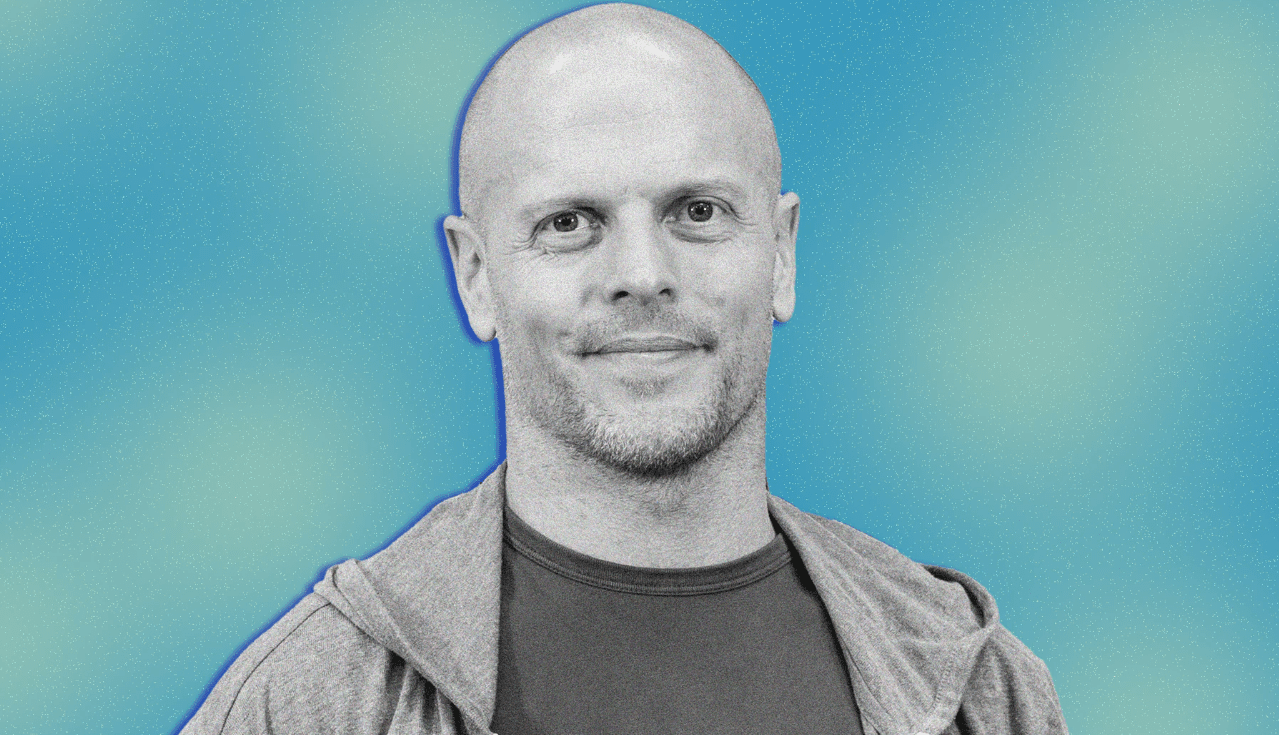
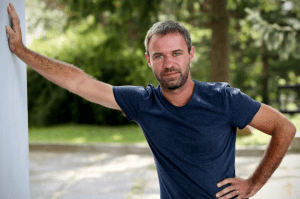
Long before remote work, creator economies, and lifestyle entrepreneurship became mainstream, Tim Ferriss was already challenging the traditional blueprint of success. Through bestselling books, influential podcasts, and deeply researched conversations with world-class performers, Ferriss helped redefine how an entire generation thinks about productivity, work-life balance, and personal growth.
Part entrepreneur, part media personality, and part self-experimenter, Ferriss built a global brand around one powerful idea: success should be designed intentionally, not inherited blindly.
The Book That Changed Entrepreneurial Culture
Ferriss became a global phenomenon with the release of The 4-Hour Workweek, a book that challenged the conventional idea of working endlessly in pursuit of freedom. Instead of glorifying burnout, Ferriss introduced concepts like automation, remote work, outsourcing, and “lifestyle design” years before they became central to startup culture.
The book quickly evolved into more than a bestseller—it became a manifesto for entrepreneurs seeking flexibility, independence, and efficiency in a hyperconnected world.
For many readers, Ferriss represented a shift away from hustle culture toward optimized living.
From Entrepreneur to Global Media Voice
While Ferriss initially built his reputation through writing and business experimentation, he later expanded into digital media with remarkable success. Through The Tim Ferriss Show, one of the world’s most downloaded business and self-development podcasts, he created a platform centered around long-form conversations with elite performers across industries.
His guests have included figures such as Arnold Schwarzenegger, Seth Rogen, athletes, CEOs, scientists, authors, and investors—each conversation dissecting habits, routines, failures, and strategies behind extraordinary success.
What distinguished Ferriss’ interviews was not celebrity appeal alone, but curiosity. He approached conversations like an entrepreneur studying systems, searching for patterns that others could apply in their own lives.
The Rise of the “Life Optimization” Era
Ferriss helped popularize a category that now dominates digital culture: self-optimization. Long before wellness influencers and productivity creators flooded social media, he was experimenting publicly with sleep routines, nutrition strategies, meditation, exercise protocols, and cognitive performance techniques.
His work blended entrepreneurship with personal development, positioning wellbeing not as separate from business success, but essential to it.
For founders navigating stress, burnout, and information overload, Ferriss became a voice advocating sustainability, mental clarity, and deliberate focus.
Building Influence Through Curiosity
Unlike many entrepreneurs who build a single company, Ferriss built influence itself as a scalable business model. His success came through content, education, investing, and trust-building across multiple platforms.
Over the years, he has also invested in major technology companies and startups, becoming an early supporter of several influential ventures within Silicon Valley’s innovation ecosystem.
Yet despite his business success, Ferriss’ public identity remains rooted in experimentation and learning rather than corporate status.
Criticism and Complexity
Ferriss’ ideas have not been without criticism. Some have argued that hyper-productivity culture can create unrealistic expectations or reduce wellbeing to measurable outputs. Others question whether the “lifestyle design” model is accessible to everyone equally.
Still, Ferriss’ broader message has consistently emphasized intentionality over exhaustion—encouraging individuals to question inherited definitions of ambition and success.
A New Blueprint for Modern Entrepreneurs
Perhaps Ferriss’ greatest contribution is cultural rather than financial. He helped normalize remote work, flexible careers, personal branding, and the idea that entrepreneurship could support freedom rather than consume it entirely.
Today, countless creators, founders, freelancers, and digital entrepreneurs operate within frameworks that Ferriss helped popularize years earlier.
His influence can be seen everywhere—from startup culture and podcasting to wellness communities and productivity systems.
Looking Ahead
As digital culture continues to evolve, Ferriss remains one of the defining voices at the intersection of entrepreneurship, media, and personal growth. His work continues to attract audiences seeking clarity in a world saturated with noise and constant performance pressure.
As Camel Move Magazine’s Entrepreneur of the Month for May, Tim Ferriss represents a different kind of entrepreneurial success—one measured not only by wealth or scale, but by the ability to reshape how people live, work, and think in the modern age.

















Comments are closed.