
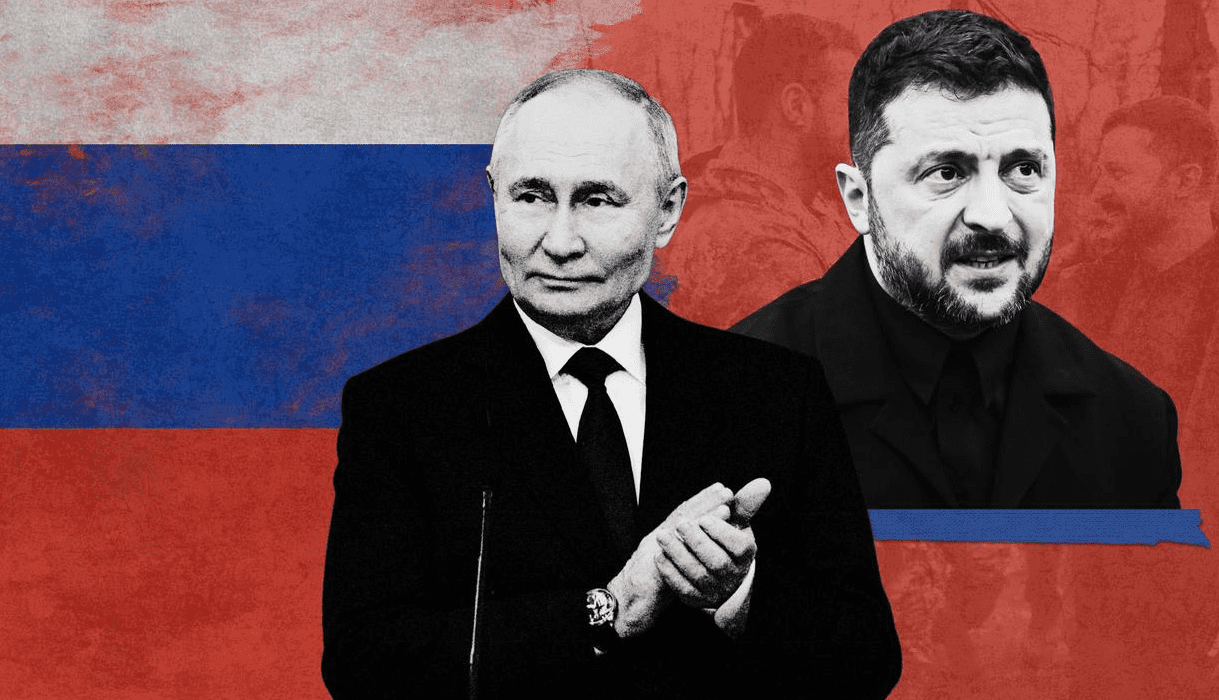
Is the Russia-Ukraine War Finally Approaching a Turning Point?
After more than four years of devastating conflict, Vladimir Putin has suggested that Russia’s war in Ukraine could be “coming to an end” — a statement that is already triggering global debate over whether peace negotiations may finally be gaining momentum.
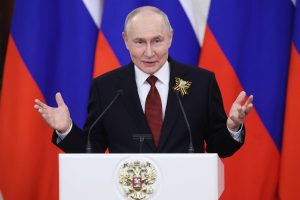
Speaking after Russia’s annual Victory Day celebrations in Moscow, Putin said he was open to direct talks with Ukrainian President Volodymyr Zelensky, potentially in Moscow or a neutral country, although only after the framework of a peace agreement is finalized.
The comments come amid a temporary US-backed ceasefire, ongoing prisoner-swap discussions, and increasing international pressure to bring Europe’s deadliest conflict since World War II to an end.
Putin Says the War Is “Coming to an End”
During a press briefing following Russia’s Victory Day parade, Putin stated:
“I think that the matter is coming to an end.”
While the Russian president did not outline a concrete peace plan, he indicated that direct negotiations with Zelenskyy could happen if final settlement terms are already agreed upon beforehand.
Putin also repeated long-standing Kremlin claims that Western military support and NATO expansion were responsible for prolonging the war.
According to the Russian leader, the West expected Russia to collapse economically and politically under sanctions and military pressure — but that strategy “didn’t work out.”
Why Is Putin Changing His Tone Now?
Although the Kremlin continues to project strength publicly, analysts believe several factors may be forcing Moscow to reconsider the prolonged conflict.
Economic Pressure on Russia
The war has:
- Cost tens of thousands of lives
- Severely strained Russia’s economy
- Triggered years of Western sanctions
- Increased military spending and political isolation
While Russia still controls nearly one-fifth of Ukrainian territory, its military campaign has slowed considerably, especially in eastern Ukraine.
At the same time, Ukraine has intensified drone and infrastructure attacks deep inside Russian territory, targeting oil terminals, logistics hubs, and military assets.
Trump’s Ceasefire Push Adds New Pressure
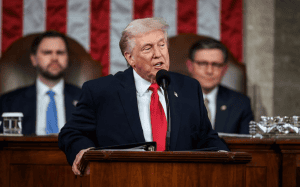
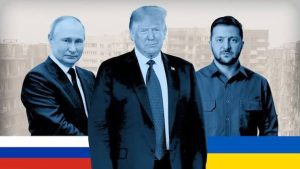
The latest diplomatic developments also coincide with renewed efforts from Donald Trump, who has made ending the war a central part of his political messaging.
Trump recently backed a three-day ceasefire agreement and described it as potentially “the beginning of the end” of the war.
The temporary truce also includes discussions around large-scale prisoner exchanges between Russia and Ukraine.
However, major obstacles remain:
- Russia insists on control of the Donbas region
- Moscow opposes Ukraine joining NATO
- Ukraine refuses to surrender occupied territory
- Kyiv continues demanding long-term security guarantees
Ukraine Remains Skeptical
Despite Putin’s remarks, fighting has not stopped.
Ukrainian officials reported:
- Deadly Russian strikes across multiple regions
- Nearly 150 combat engagements within 24 hours
- Continued attacks despite the ceasefire framework
For many in Kyiv, Putin’s comments are viewed cautiously, especially after multiple failed negotiation attempts over the past several years.
Analysts also warn that Russia may simply be looking for a strategic pause rather than a permanent resolution.
Global Stakes Continue to Rise
The war has reshaped global politics since Russia’s full-scale invasion began in 2022.
Its effects include:
- Global energy instability
- Food supply disruptions
- Massive military spending increases across Europe
- NATO expansion and rising East-West tensions
The conflict has also accelerated the militarization of Europe while pushing geopolitical alliances into a new era of confrontation.
Is Peace Actually Possible?
While Putin’s latest statement may signal growing pressure inside Russia, experts caution against assuming the war is truly nearing its conclusion.
Several previous ceasefire hopes collapsed quickly, and both sides remain deeply divided on core demands.
Still, the fact that Moscow is publicly discussing the possibility of ending the war — even cautiously — reflects a shift in tone that the international community will be watching closely in the coming weeks.
Final Thoughts
After years of destruction, sanctions, drone warfare, and failed diplomacy, the Russia-Ukraine war may be entering a new phase. Whether Putin’s comments represent a genuine opening for peace or a tactical political move remains unclear.
But one thing is certain: the outcome of this war will continue shaping global politics, security, energy markets, and international alliances for years to come.





Comments are closed.