
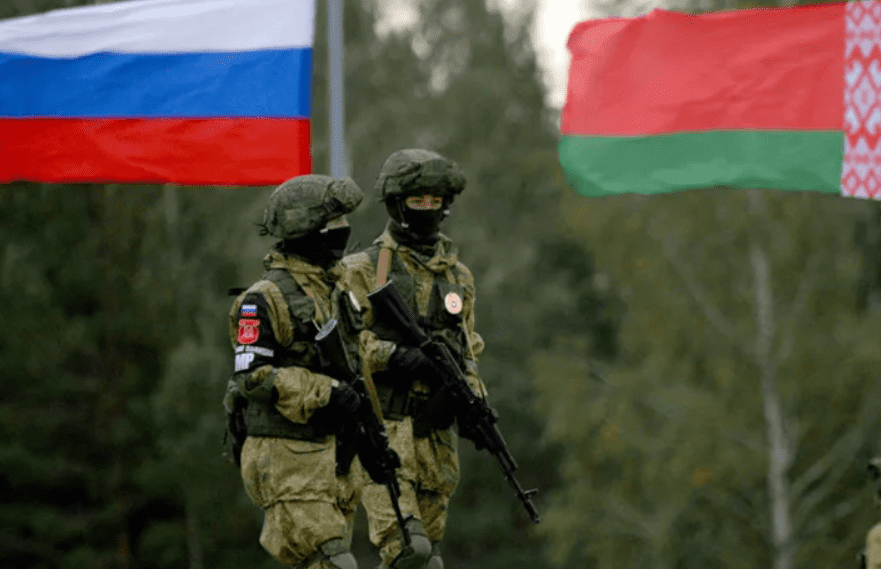
Introduction: Russia Belarus nuclear drills intensify fears in Europe
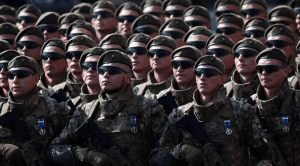
The Russia Belarus nuclear drills have triggered fresh alarm across Europe and NATO allies after Moscow and Minsk conducted large-scale exercises simulating the use of tactical and strategic nuclear weapons. The drills, overseen by Russian President Vladimir Putin and Belarusian leader Alexander Lukashenko, included missile launches, warplane operations, and nuclear-capable systems positioned across a vast stretch from Eastern Europe to the Pacific.
While both governments insist the exercises are defensive, analysts warn the timing, scale, and messaging point to a deliberate show of force aimed at NATO and Ukraine. With tensions already high due to the ongoing Russia-Ukraine war, the drills have raised urgent questions about escalation risks, regional stability, and the growing military integration between Russia and Belarus.
What are the Russia Belarus nuclear drills?
A large-scale simulation of nuclear readiness
The Russia Belarus nuclear drills involved coordinated military activity across land, sea, air, and strategic missile forces. According to official statements, the exercises included:
- Launches of intercontinental ballistic missiles
- Deployment of hypersonic-capable systems
- Naval operations involving nuclear submarines
- Air force simulations with nuclear-capable aircraft
The centerpiece of the drills reportedly included the Yars intercontinental missile system, capable of carrying multiple nuclear warheads. Officials claimed the missile traveled thousands of kilometers during testing, demonstrating long-range strike readiness.
These exercises were conducted under the leadership of Russia and Belarus, reinforcing their deepening military partnership.
Why Belarus is becoming central to Russia’s nuclear strategy
Lukashenko’s shifting geopolitical position
Belarus has long been considered Russia’s closest regional ally, but its role has grown significantly since the escalation of the Ukraine conflict. Under Alexander Lukashenko, Belarus has allowed Russian forces to operate from its territory and has participated in joint military planning.
Despite this alignment, Lukashenko has historically tried to balance relations between Moscow and the West. Analysts say his participation in nuclear drills marks a shift toward deeper dependence on Moscow’s security umbrella, even as he attempts to avoid direct involvement in the Ukraine war.
Strategic location on NATO’s eastern border
Belarus occupies a critical geographic position between Russia, Ukraine, and NATO members such as Poland and Lithuania. This makes it a key staging ground in regional security calculations.
By hosting nuclear-capable systems and joint exercises, Belarus effectively extends Russia’s strategic reach closer to NATO territory, increasing pressure on the alliance and complicating defense planning.
NATO response and rising geopolitical tension
Heightened alert across the alliance
The North Atlantic Treaty Organization, commonly known as NATO, has closely monitored the Russia Belarus nuclear drills, warning that any use of nuclear weapons would trigger a “devastating response.”
While NATO has not reported direct threats, military planners across Eastern Europe have increased readiness levels, particularly in countries bordering Belarus.
Timing seen as politically calculated
The drills coincided with high-level NATO meetings in Europe, a timing that analysts say is unlikely to be accidental. By staging nuclear simulations during diplomatic summits, Moscow and Minsk appear to be sending a strategic message about deterrence and influence.
Experts suggest the exercises are designed to test Western reactions while reinforcing Russia’s narrative that it is prepared for any escalation scenario.
Are the drills preparation or political messaging?
Analysts divided over intent
Security analysts remain split on the purpose of the Russia Belarus nuclear drills. Some view them as a genuine upgrade in military readiness, reflecting lessons learned from the ongoing war in Ukraine.
Others argue the exercises are primarily psychological warfare, intended to project strength rather than signal imminent military action.
One interpretation is that the drills function as “sabre-rattling,” aimed at increasing pressure on Ukraine and its allies while opening indirect diplomatic channels.
Ukraine warns of northern front risks
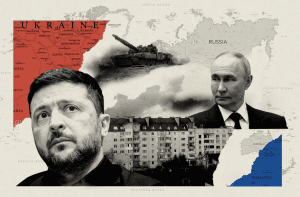
Ukrainian officials have expressed concern that Belarus could be drawn further into the conflict. President Volodymyr Zelenskyy has warned that Moscow may attempt to use Belarusian territory as a launch point for renewed operations in northern Ukraine.
However, some defense experts believe Belarus lacks the military capacity and political stability for direct involvement in a large-scale offensive without risking severe internal consequences.
The role of tactical nuclear weapons in the drills
Short-range but high-impact weapons
A key focus of the exercises was the deployment and simulation of tactical nuclear weapons. Unlike strategic intercontinental missiles, these weapons are designed for battlefield use and have shorter ranges but significant destructive power.
Russia has previously stated that such weapons could be stationed in Belarus, marking a major shift in European security dynamics. Their presence raises concerns about faster escalation in any regional conflict.
Reduced transparency increases risks
Unlike Cold War-era arms control frameworks, tactical nuclear weapons are not fully covered by existing treaties between major powers. This lack of transparency makes monitoring deployments more difficult and increases uncertainty for NATO planners.
Belarus, Russia, and the changing security landscape
Growing military integration
The Russia Belarus nuclear drills highlight the deepening military integration between the two countries. Joint command structures, shared exercises, and coordinated defense policies suggest a gradually unified strategic posture.
For Russia, Belarus provides forward positioning. For Belarus, Russian support offers political and military backing amid growing international isolation.
Economic pressure shaping political decisions
Belarus also faces significant economic challenges due to sanctions and reduced trade with Western countries. Its economy relies heavily on Russian subsidies, energy imports, and export channels that are increasingly constrained.
This economic dependency is widely seen as a factor influencing Minsk’s willingness to align more closely with Moscow’s military agenda.
What happens next in the Russia Belarus nuclear drills crisis?
Risk of escalation remains limited but real
Most analysts agree that immediate nuclear conflict remains unlikely. However, the Russia Belarus nuclear drills increase the risk of miscalculation, particularly in a region already marked by military tension and active conflict.
Even routine exercises involving nuclear systems can be misinterpreted, raising the possibility of unintended escalation.
Diplomacy remains fragile
Despite heightened rhetoric, limited diplomatic channels between Belarus, Russia, Ukraine, and Western states remain open. Some observers suggest that signaling through military exercises may also serve as leverage in future negotiations.
Still, trust between the parties is extremely low, and military signaling has largely replaced formal dialogue in shaping regional dynamics.
Conclusion: Russia Belarus nuclear drills redefine regional security risks
The Russia Belarus nuclear drills represent more than a military exercise. They reflect a shifting geopolitical reality in which nuclear signaling, regional alliances, and military posturing are increasingly intertwined.
With Vladimir Putin and Alexander Lukashenko demonstrating closer coordination, and NATO maintaining high alert status, Europe’s eastern frontier is entering a period of sustained uncertainty.
While outright conflict is not inevitable, the drills underline how fragile the current security balance has become. In this environment, even simulated nuclear scenarios carry real political weight and long-term consequences for global stability.










Comments are closed.