
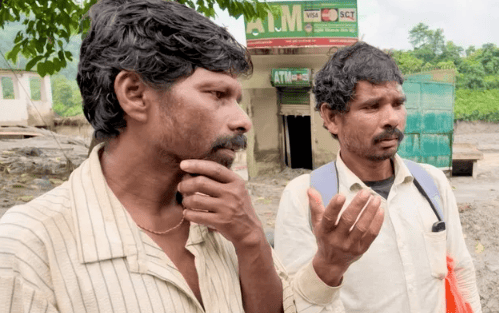
After devastating floods swept through northern Nepal, Talka Sada began a desperate journey across damaged roads, hospitals and disaster zones in search of his 19-year-old son.
Kathmandu/Nuwakot, Nepal — Talka Sada has been walking for days.
His feet are sore, his money is almost gone, and every unanswered phone call makes the possibility of finding his son feel increasingly remote. Yet despite the exhaustion, hunger and uncertainty, the father refuses to stop searching.
His 19-year-old son, Vinod, disappeared after catastrophic flash floods tore through northern Nepal in late August, destroying communities, infrastructure and workplaces in their path.
For Sada, the disaster is no longer simply a national tragedy measured in statistics. It has become a deeply personal journey through a country struggling to recover from one of its most devastating natural disasters.
With less than $13 borrowed from others and packed into a small handkerchief, Sada and his brother have travelled hundreds of kilometres from their home in the southern district of Saptari. Their destination is unclear. Their hope is fragile. But their mission remains the same: find Vinod.
A Son Missing After the Floods
Vinod had travelled to Rasuwa district, one of the areas most severely affected by the floods, only a month before the disaster.
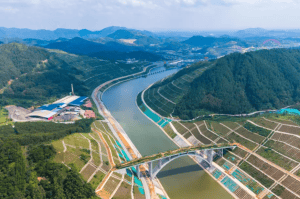
The 19-year-old had taken work at a hydropower project, carrying out physically demanding jobs that included mixing cement and other daily labour. He was one of several young workers at the site when the floods struck.
Four other young men who worked alongside him, all teenagers, were also reported missing.
Sada last spoke to his son the day before the disaster.
Then the floods came.
Homes, bridges, roads, schools and energy infrastructure were swept away as floodwaters surged through parts of northern Nepal. Communication networks were disrupted, rescue operations were launched and families across the country began searching for loved ones.
For Sada’s family, there has been no call, no message and no confirmation of what happened to Vinod.
Back home, his mother continues to wait.
For his father, waiting was never an option.
A Journey With Almost Nothing
Sada borrowed around 2,000 Nepali rupees — approximately $13 — to begin the search.
The journey from Saptari to Kathmandu alone covers nearly 300 kilometres and can take hours because of Nepal’s difficult mountain terrain. From there, Sada and his brother began moving from one hospital to another, searching through lists of survivors and victims.
They checked hospitals, mortuaries and emergency centres, hoping to find Vinod’s name or photograph.
There was nothing.
Many of the bodies recovered after the disaster were difficult to identify, adding another layer of pain to the search for families desperately seeking answers.
With no information in Kathmandu, the brothers continued towards the areas closest to the hydropower project where Vinod had been working.
At one point, they began walking towards Nuwakot, navigating damaged roads and communities still covered in mud and debris.
Every kilometre meant spending more money.
Every night brought the possibility that they would soon have nothing left.
The brothers said that even basic accommodation and food were becoming increasingly difficult to afford.
Yet returning home without answers seemed impossible.
Searching for Answers
Sada says he has repeatedly tried to gain access to mortuaries, military camps and other locations connected to the rescue operation.
But he believes his efforts have been met with indifference.
Coming from the Terai region in southern Nepal, Sada identifies as part of the Madhesi community. He also belongs to the Musahar community, one of the country’s most marginalised social groups.
Sada believes that his background, poverty and limited ability to speak fluent Nepali have made his search even more difficult.
He says he and his brother have registered their names and Vinod’s details with authorities, police and rescue teams, yet they continue to move from one location to another without receiving the answers they desperately need.
His frustration reflects a wider sense of helplessness felt by families searching for missing relatives after the disaster.
Nepalese authorities have been working to respond to a crisis of enormous scale, with more than 1,000 people reported dead and thousands still missing as search and recovery operations continue.
But for families like Sada’s, the size of the tragedy offers little comfort.
Each missing person has a name, a family and someone waiting for answers.
Hope and Helplessness
The brothers continue to call Vinod’s phone.
Again and again, there is no answer.
For moments at a time, Sada allows himself to imagine that his son may still be alive.
Vinod is young and physically strong, he tells himself. Perhaps he escaped. Perhaps he found shelter somewhere. Perhaps he simply has no way to contact his family.
But hope quickly gives way to fear.
Days have passed without a single sign.
The silence from his son’s phone has become increasingly difficult to bear.
Still, Sada continues walking.
He and his brother plan to search further around the hydropower facilities and the surrounding disaster zones, following any information that might lead them closer to Vinod.
The journey has become a cycle of searching, walking and searching again.
There is no guarantee of an answer.
There may not even be enough money left to continue.
But for a father who left home with only borrowed cash and the hope of bringing his son back, stopping is not yet possible.
Across flood-damaged roads and devastated communities, Talka Sada continues forward.
Somewhere ahead, he hopes, there may still be an answer waiting.








Comments are closed.