
Lead: Attack Disrupts High-Profile Washington Event
A shooting at the annual White House Correspondents’ Association (WHCA) dinner in Washington, D.C., has intensified concerns about political violence and the security of senior U.S. officials. Authorities say the suspect, now in custody, likely intended to target members of President Donald Trump’s administration, including potentially the president himself, though investigations into motive remain ongoing.
What Happened: Incident at a Major Political and Media Gathering
The incident unfolded at the Washington Hilton, where hundreds of political leaders, journalists, and public figures had gathered for the annual press dinner—one of the most prominent events on the U.S. political calendar.
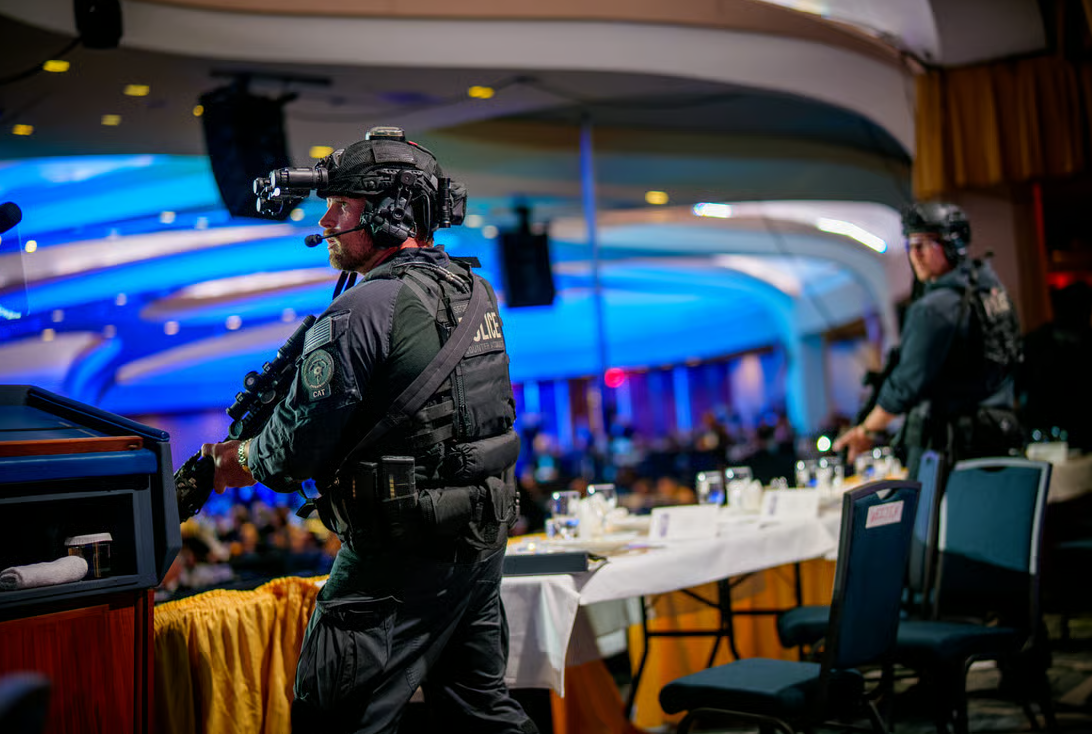
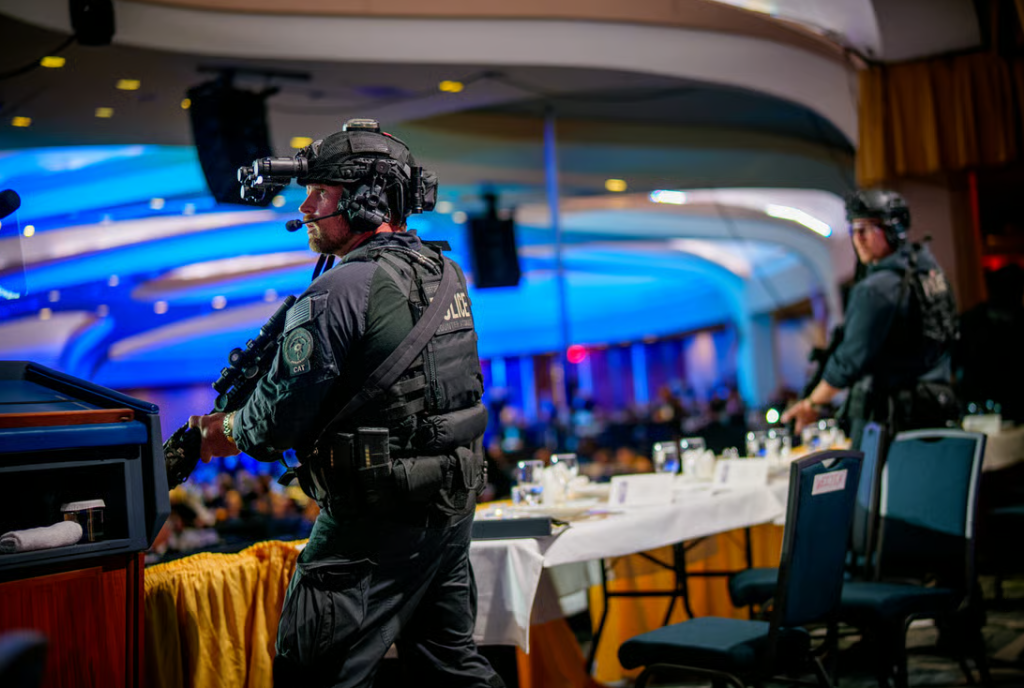
According to U.S. officials, the suspect approached a security checkpoint inside the hotel and fired at a Secret Service officer before being subdued. The officer, protected by a ballistic vest, was injured but later released from hospital. President Trump, the first lady, and other senior officials were swiftly evacuated from the venue as security personnel secured the area.
Eyewitness accounts and video footage indicate that the sound of gunfire triggered panic in the ballroom, with attendees taking cover as armed security teams responded. The event was ultimately canceled.
Suspect and Investigation: Charges and Early Findings
Law enforcement authorities have identified the suspect as a 31-year-old man from California. He is expected to face multiple federal charges, including assault of a federal officer, discharging a firearm, and attempted killing of a federal officer.
The acting U.S. attorney general stated that preliminary findings suggest the suspect intended to target government officials, possibly including the president. However, officials emphasized that the investigation is ongoing and that conclusions about motive remain tentative.
Authorities are also examining how the suspect was able to transport weapons into the hotel and whether any security lapses occurred. Early reports indicate the suspect may have stayed at the hotel prior to the event, raising questions about screening procedures for guests.
Security Concerns: Questions Over Protection of Officials
The incident has prompted renewed scrutiny of security arrangements at high-profile public events involving political leaders. Despite multiple security layers, the suspect reportedly breached at least one checkpoint before being stopped.
The Washington Hilton has historical significance in this context; it was also the site of the 1981 assassination attempt on President Ronald Reagan. The recurrence of violence at the same venue has intensified debate over whether existing protocols are sufficient.
The attack has also led to discussions about relocating such events to more secure locations, including proposals to host large gatherings within the White House complex itself.
Political Context: Rising Concerns Over Domestic Instability
The shooting occurred against a backdrop of increasing political polarization in the United States. Over the past decade, the country has experienced multiple incidents involving threats or violence against public officials, as well as broader patterns of gun-related violence.
Political leaders from both major parties, along with international figures, condemned the attack and expressed relief that no fatalities occurred. Several emphasized that violence should not be normalized within democratic systems.
Analysts note that the intersection of political rhetoric, social media influence, and individual grievances has created a complex environment for law enforcement and policymakers seeking to address security risks.
Broader Implications: Governance, Public Safety, and Democratic Norms
The incident underscores the challenges facing U.S. institutions in maintaining security while preserving openness in public life. Events like the WHCA dinner symbolize the relationship between government and the press, making them both high-profile and potentially vulnerable.
The attack may also influence ongoing debates about gun control, mental health policy, and the role of political discourse in shaping public behavior. While immediate policy responses remain unclear, the event has renewed attention on the need for preventive measures.
In addition, the timing of the incident—just ahead of a planned state visit by King Charles III—has prompted reassessments of security planning for international engagements.
Conclusion: A Renewed Focus on Risk and Resilience
As investigations continue, the shooting at the White House correspondents’ dinner highlights the persistent risks associated with political events in an era of heightened polarization. While security forces prevented a potentially more serious outcome, the incident raises fundamental questions about how to safeguard democratic institutions without compromising their accessibility.
The coming weeks are likely to bring further details about the suspect’s motives and potential policy responses, as officials seek to address both immediate security concerns and the broader environment in which such incidents occur.








Comments are closed.