
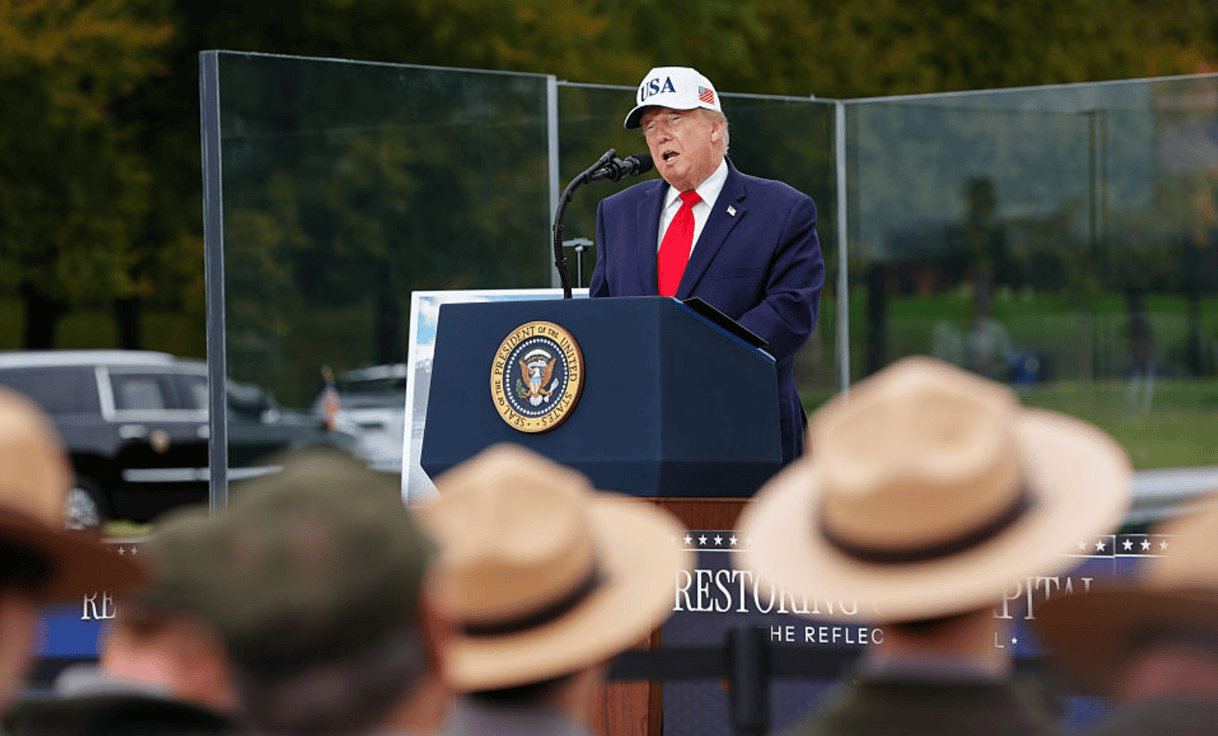
The US midterm elections 2026 have delivered a stunning political setback for President Donald Trump, with Democrats winning control of both the Senate and the House of Representatives. The results represent a major shift in Washington’s political balance and signal growing voter dissatisfaction with the Republican administration’s policies, particularly its handling of the economy, rising fuel prices, and the war in Iran.
The Democratic victory goes beyond a conventional midterm setback. By securing both chambers of Congress, the party has gained significant influence over legislation, government spending, congressional investigations, and the president’s remaining time in office. The outcome also raises important questions about Trump’s political strategy and the direction of American politics heading toward the next presidential election.
US Midterm Elections 2026 Deliver a Historic Democratic Victory
Democrats have emerged as the biggest winners of the November 3 elections, securing majorities in both chambers of the US Congress.
According to the reported results, Democrats won 54 Senate seats, while Republicans secured 44, with several contests still awaiting final confirmation. In the House of Representatives, Democrats reached 228 seats, comfortably exceeding the 218 required for a majority.
The results mark a dramatic reversal of political fortunes for Republicans, who had hoped to maintain their congressional influence and protect Trump’s legislative agenda.
Instead, Democratic candidates recorded victories in several traditionally Republican states, demonstrating the scale of the political shift.
Democrats Flip Republican Strongholds
Some of the most significant results came from states where Democratic victories had previously appeared unlikely.
Among the notable Senate outcomes:
- Texas: Democrat James Talarico defeated Republican Ken Paxton.
- Ohio: Democrat Sherrod Brown reclaimed the Senate seat.
- Kansas: Democrat Adam Hamilton secured a major victory in a historically Republican state.
- Iowa: Democrat Josh Turek won the seat previously held by Republican Joni Ernst.
- Maine: Democrat Troy Jackson defeated Republican incumbent Susan Collins.
- South Carolina: Democrat Annie Andrews defeated Republican Darline Graham.
These victories suggest that Republican candidates faced challenges extending well beyond traditionally competitive districts.
The results in Kansas are particularly significant because the state had not elected a Democratic senator for almost a century.
Why Did Democrats Win the 2026 Midterm Elections?
Although several factors influenced voting decisions, economic dissatisfaction appears to have played a central role in the Republican defeat.
Voters were particularly concerned about the cost of living, rising fuel prices, and the wider economic consequences of government policy.
Cost of Living Becomes a Major Election Issue
For many American households, everyday expenses remain a pressing concern. Higher fuel prices, combined with financial uncertainty, have created additional pressure on families and businesses.
Trump acknowledged that rising gasoline prices hurt Republican candidates during the campaign.
He also recognised that the Iran conflict contributed to voter dissatisfaction, although he continued to defend the administration’s foreign policy decisions.
The election results demonstrate how economic conditions can influence political outcomes, even when a president’s name does not formally appear on the ballot.
The Iran War Adds to Republican Challenges
The US involvement in the Iran war became another important issue during the election campaign.
Military conflict can create economic uncertainty, increase energy costs, and raise concerns about national security and America’s international commitments.
Iranian Parliament Speaker Mohammad Bagher Ghalibaf interpreted the Democratic victory as a rejection of the war, arguing that American voters had sent a message against military escalation.
However, the election outcome should not be attributed to a single issue. Economic concerns, political dissatisfaction, candidate performance, and foreign policy all contributed to the wider electoral picture.
Four Historic Firsts Make the Election Even More Significant
Beyond the transfer of congressional power, the 2026 elections produced several important milestones in American political representation.
Four results attracted particular attention.
Abdul El-Sayed Makes History in Michigan
Democrat Abdul El-Sayed claimed victory in Michigan’s Senate race against Republican Mike Rogers.
If confirmed, he will become the first Muslim to serve in the United States Senate, marking a significant moment for political representation.
Keisha Lance Bottoms Wins Georgia Governorship
Democrat Keisha Lance Bottoms secured victory in Georgia’s gubernatorial contest against Republican Rick Jackson.
Her election makes her the first Black woman elected governor in American history.
Chris Pappas Breaks New Ground in New Hampshire
Democrat Chris Pappas won the New Hampshire Senate race, becoming the first openly gay man elected to serve in the US Senate.
His victory represents another milestone in the growing diversity of American political leadership.
Deb Haaland Makes History in New Mexico
Democrat Deb Haaland won the New Mexico gubernatorial election.
She becomes the first Native American woman elected governor in the United States, adding another historic achievement to an already remarkable election night.
Together, these victories highlight broader changes in the country’s political representation.
What Democratic Control of Congress Means for Donald Trump
The biggest immediate consequence of the election is the new political environment facing the White House.
With Democrats controlling both congressional chambers, Trump will find it significantly more difficult to advance major legislative priorities.
Congress plays a central role in approving federal spending, passing legislation, overseeing government departments, and examining presidential policies.
Consequently, Democratic lawmakers will have greater opportunities to challenge the administration.
Trump Signals a Possible Veto Strategy
Following the Republican losses, Trump adopted a relatively conciliatory public tone.
He acknowledged that Democrats had performed well and indicated that cooperation could be possible on certain issues.
However, he also suggested that he would use his presidential veto powers when necessary.
This raises the possibility of increased confrontation between the White House and Congress.
Trump may also rely more heavily on executive orders and existing presidential authorities to pursue policies that face opposition from Democratic lawmakers.
Nevertheless, executive action cannot completely replace congressional approval. Major legislative changes, new tax measures, and federal spending decisions will remain subject to the political realities of a divided government.
Democrats Could Launch Congressional Investigations
Another major consequence involves congressional oversight.
With control of both chambers, Democrats will have greater authority to organise hearings, request government documents, and investigate decisions made by the administration.
Senior officials and members of Trump’s political circle could face increased scrutiny.
Such investigations could consume considerable political attention during the remainder of his presidency.
Financial Markets React to the Election Results
The election outcome has also attracted attention from international investors.
Technology-heavy Asian markets initially experienced significant declines, with Japan’s Nikkei 225 and South Korea’s Kospi falling sharply before recovering some losses.
Meanwhile, US stock market futures edged lower as investors assessed the possible implications of a Democratic-controlled Congress.
One area attracting particular attention is the technology sector, especially artificial intelligence.
Major technology companies, including Amazon, Alphabet, and Meta, have committed substantial resources to AI infrastructure and data centre development.
Democratic lawmakers could increase scrutiny of technology companies, data centre expansion, competition, and the wider consequences of artificial intelligence.
However, political changes do not necessarily mean that investment in AI infrastructure will stop. Instead, companies may face additional regulatory questions and congressional oversight.
Investors will therefore be watching how the new Congress approaches technology regulation and business policy.
What Happens Next in American Politics?
Although Democrats have secured control of Congress, the election does not change the presidency.
Donald Trump remains in office, and his administration will continue to direct executive policy and represent the United States internationally.
However, the balance of power in Washington has changed considerably.
Democrats now have an opportunity to influence national legislation, challenge Republican proposals, and establish a stronger position ahead of the next presidential election.
Meanwhile, Republicans face difficult questions about their campaign strategy, candidate selection, and relationship with the president.
Some Republican figures have already suggested that Trump’s influence contributed to the disappointing results. Others have pointed to economic pressures and the consequences of the Iran conflict.
The narrow contests still awaiting final confirmation, including races in Alaska and Mississippi, will also help determine the precise balance of power.
Conclusion: A Major Turning Point for Trump’s Presidency
The US midterm elections 2026 have delivered a decisive message about the political mood of American voters. Democrats have taken control of both the Senate and the House, turning what Republicans hoped would be a manageable election into a major defeat for Trump’s administration.
Economic dissatisfaction, higher fuel prices, foreign policy concerns, and changing voter priorities all contributed to the result.
For Trump, the challenge is now to govern with a Congress controlled by his political opponents. For Democrats, the victory creates an opportunity to influence national policy, strengthen congressional oversight, and prepare for the next electoral battle.
Ultimately, these elections represent more than a change in congressional leadership. They mark a significant moment in American politics, with consequences that could shape the remainder of Trump’s presidency and the country’s political future.












Comments are closed.