
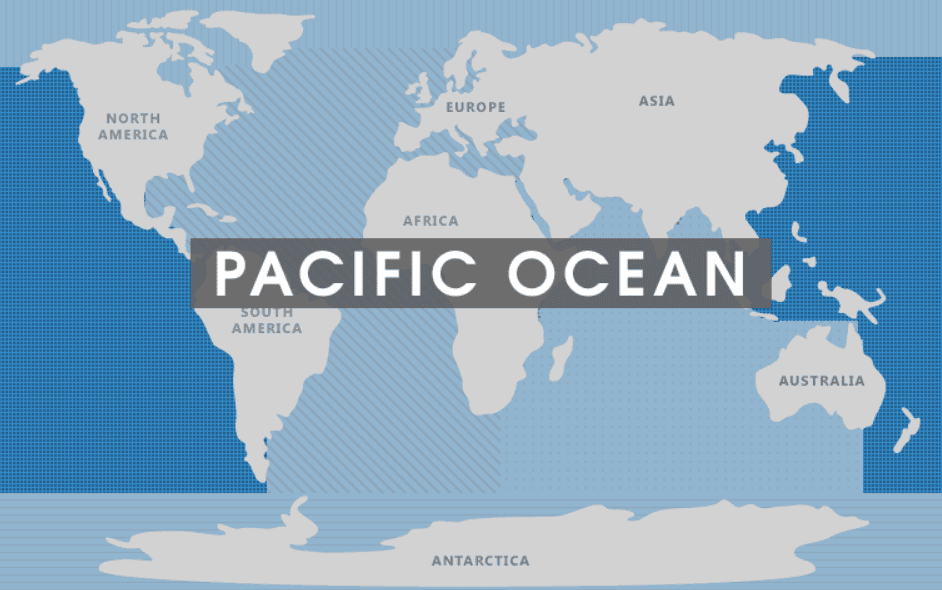
Scientists have discovered two remarkably well-preserved marine environments in the Pacific Ocean, offering a rare glimpse into what underwater ecosystems can look like when human interference is limited. Located in the remote Marshall Islands, the coral atolls of Bikar and Bokak contain thriving marine habitats, extensive seabird colonies, diverse fish populations, and coral reefs that could provide valuable lessons for restoring damaged oceans.
The findings, published in the scientific journal Frontiers in Marine Science, have attracted attention because these remote locations offer something increasingly difficult to find: relatively intact natural ecosystems. Researchers believe the two atolls could serve as important reference points for understanding how marine environments function before extensive human activity changes them.
Beyond their scientific importance, the discoveries are also strengthening the case for protecting vulnerable ocean habitats around the world.
Scientists Discover Two Nearly Untouched Ocean Ecosystems in the Pacific
Bikar and Bokak are located in the northern part of the Marshall Islands, far from heavily populated areas. Their geographical isolation has helped preserve their natural environments, making them particularly valuable for marine research.
Bikar lies approximately 116 kilometres from the nearest inhabited atoll, while Bokak is around 385 kilometres away. This distance from permanent human settlements has allowed many species and habitats to remain relatively undisturbed.
Researchers describe the locations as some of the most intact ecosystems remaining in the region.
During an extensive scientific expedition in 2023, a research team examined the islands, surrounding waters, coral reefs, and deeper marine environments. Their objective was to document the biodiversity of both atolls and establish a scientific baseline that could support future conservation efforts.
What they discovered was an unusually diverse collection of interconnected habitats.
The research documented:
- Extensive seabird and shorebird populations.
- Native vegetation and relatively undisturbed island habitats.
- Active sea turtle nesting areas on Bikar.
- Coral-dominated reefs and diverse fish communities around Bokak.
- Deep-sea habitats supporting a variety of poorly documented species.
- Large marine predators, including sharks.
The team also identified organisms that could potentially represent previously undocumented species, highlighting how much remains unknown about remote ocean environments.
What Researchers Discovered Beneath the Surface
The expedition involved several different research techniques to investigate habitats at varying depths.
Scientists used scuba diving, underwater video recordings, deep-sea camera deployments, and submarine exploration. Combining these methods allowed the team to examine environments that conventional surface-level surveys would struggle to document.
Remarkable Fish Diversity and Deep-Sea Communities
The biodiversity recorded during the assessment was particularly encouraging.
Researchers identified 266 groups of reef fish, alongside 138 groups of fish in deeper waters. They also documented 15 groups of open-water predators, including sharks, and 79 groups of deep-sea fishes.
The expedition further identified 15 seabird colonies that may have been actively breeding.
These findings demonstrate the ecological importance of the two atolls. Rather than supporting isolated populations, Bikar and Bokak contain interconnected habitats that provide food, shelter, and breeding grounds for numerous species.
Deep-sea environments were another important part of the research.
While coral reefs receive considerable attention in marine conservation, deeper ocean habitats remain comparatively understudied. The discovery of diverse communities in these environments gives researchers additional opportunities to understand marine biodiversity and the relationships between different ocean ecosystems.
According to marine ecologist Dr Alan Friedlander of the University of Hawai’i, the presence of these species is partly unpredictable. Remote locations can experience natural differences in which organisms arrive, establish populations, and survive over time.
That makes comprehensive scientific monitoring particularly important.
Why These Untouched Atolls Matter for Ocean Conservation
The significance of Bikar and Bokak extends far beyond their geographical location.
Marine ecosystems worldwide face growing pressures from human activities, including overfishing, pollution, coastal development, and climate change. Coral reefs are especially vulnerable to rising ocean temperatures, which can trigger widespread coral bleaching.
Once ecosystems lose important species and habitats, restoring their original ecological balance can become extremely difficult.
This is where the Marshall Islands discoveries could make a difference.
Because Bikar and Bokak have experienced relatively limited human disturbance, they provide researchers with valuable examples of how tropical marine ecosystems can function under more natural conditions.
Natural Reference Points for Restoring Damaged Oceans
Scientists often need healthy ecosystems to understand what degraded environments have lost.
For example, studying fish populations in relatively undisturbed reefs can help researchers evaluate the effects of fishing pressure elsewhere. Similarly, examining healthy coral habitats provides important information about biodiversity, reef structure, and ecological relationships.
Bikar and Bokak could therefore become valuable reference systems for future restoration projects.
Dr Friedlander described the atolls as important ecological treasures, not only for the Marshall Islands but also for the wider international community.
He also emphasised the importance of recognising the traditional stewardship provided by the community of Utirik Atoll, which has helped safeguard these fragile environments for decades.
This is an important aspect of the discovery. Protecting biodiversity is not solely a scientific responsibility. Local communities and traditional conservation practices can play an essential role in maintaining ecosystems over generations.
Marshall Islands Establish First National Marine Sanctuary
The scientific assessment also contributed to a major conservation development.
Following the research, approximately 48,000 square kilometres surrounding the atolls were designated as the Marshall Islands’ first national marine sanctuary.
The decision reflects the ecological importance of the region and the need to protect its marine and terrestrial environments.
The sanctuary aligns with the country’s broader Reimaanlok vision, a community-led conservation framework whose name translates to looking towards the future.
Its objective is to protect natural resources while ensuring that island communities can continue to thrive for generations.
The designation is particularly significant because large marine protected areas can help safeguard habitats, reduce pressures from certain human activities, and preserve important breeding and feeding grounds.
However, establishing a protected area is only one part of effective conservation. Long-term monitoring, enforcement, scientific research, and cooperation with local communities remain essential to maintaining its ecological value.
Could These Ocean Discoveries Help Protect Marine Life Worldwide?
The findings from Bikar and Bokak offer an encouraging example of what marine conservation can achieve.
Their relatively undisturbed habitats provide scientists with an opportunity to investigate biodiversity without the same level of human influence found in many other parts of the world’s oceans.
Nevertheless, the discoveries should not be interpreted as evidence that these ecosystems are completely protected from environmental threats.
Even remote coral reefs can be affected by rising sea temperatures, ocean acidification, changing weather patterns, and other large-scale environmental pressures.
That makes continued scientific observation particularly important.
Researchers can use these locations to monitor ecological changes, study species interactions, and better understand how tropical marine ecosystems respond to environmental pressures over time.
The findings could also help inform conservation strategies in other regions where marine biodiversity has declined.
Two Rare Ocean Environments Offer Hope for the Future
The discovery of thriving ecosystems around Bikar and Bokak is an important reminder of how much biodiversity remains hidden beneath the ocean’s surface.
From extensive seabird colonies and turtle nesting grounds to diverse reef fish and deep-sea communities, the two Marshall Islands atolls provide an exceptional opportunity to study relatively intact marine environments.
Just as importantly, their protection demonstrates how scientific research and community-led conservation can work together.
Although restoring damaged oceans will require substantial international cooperation, these remote Pacific ecosystems offer something invaluable: a living reference for understanding what healthy marine environments can look like.
As researchers continue investigating the world’s oceans, Bikar and Bokak could help shape future conservation efforts and strengthen the global commitment to protecting marine biodiversity.








Comments are closed.