
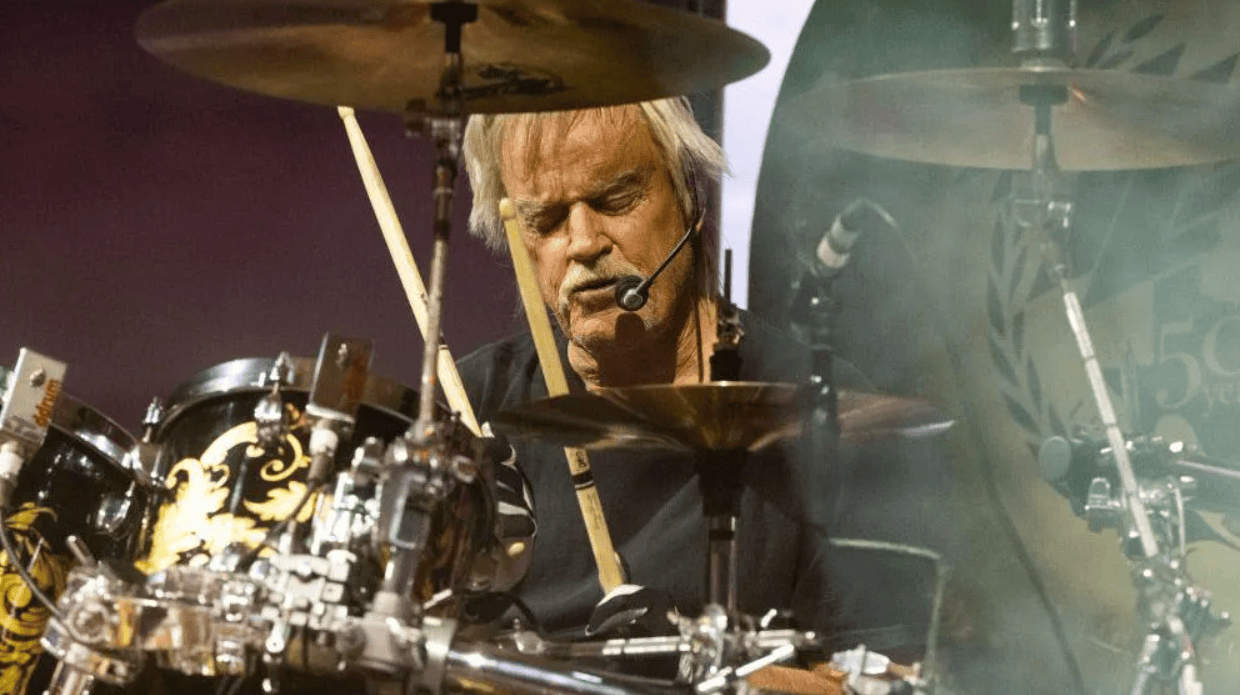
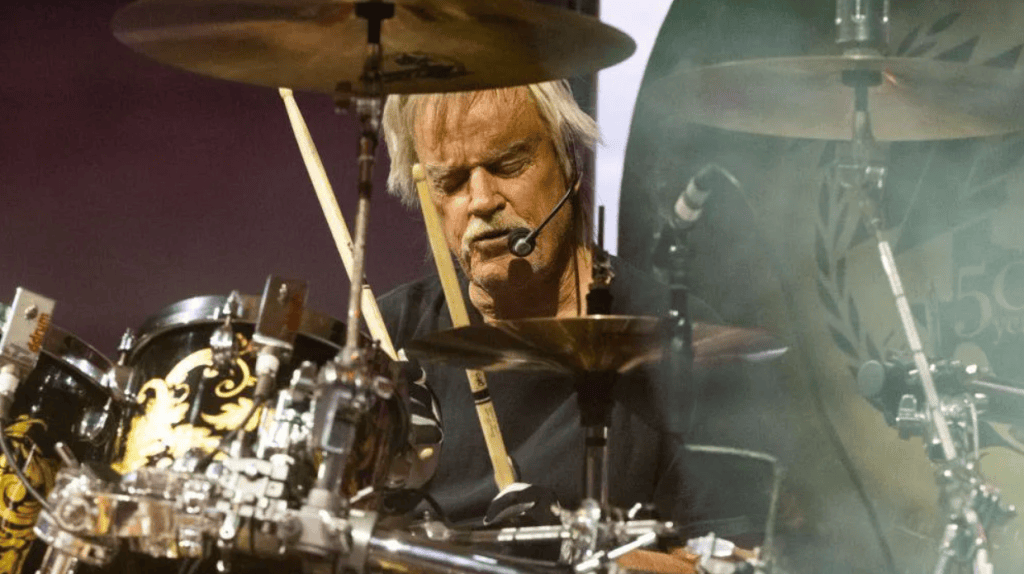
ZZ Top drummer Frank Beard has died aged 77, bringing the career of one of rock music’s most enduring rhythm players to a close. Beard died on August 17, 2026, in hospice care at his ranch in Richmond, Texas, surrounded by family, according to the band. His cause of death has not been disclosed.
His death marks the loss of a musician who helped define ZZ Top’s unmistakable sound for more than five decades. While Billy Gibbons became known for his guitar work and Dusty Hill for his bass and vocals, Beard supplied the steady, understated pulse that allowed the Texas trio to turn blues, boogie and rock into a distinctive musical identity.
ZZ Top Drummer Frank Beard Dies After More Than Five Decades With The Band
Beard’s death was announced as ZZ Top continued its latest tour. The band canceled scheduled performances in Salt Lake City, Utah, and Colorado Springs, Colorado, following his passing. The group has said it intends to continue performing, with upcoming Austin shows holding particular significance because Austin was one of Beard’s favorite places to play.
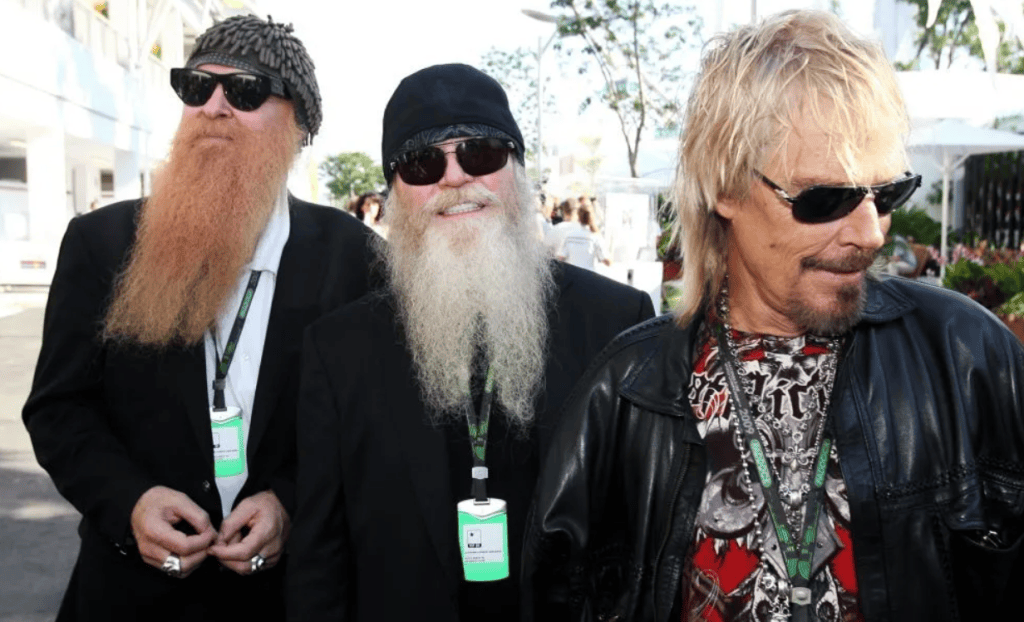
For fans, the news is especially poignant because Beard was part of the classic ZZ Top lineup for more than 50 years. The group formed in Houston in 1969 and built a reputation around the chemistry between Beard, guitarist and vocalist Billy Gibbons, and bassist and vocalist Dusty Hill.
That lineup became one of the most recognizable combinations in American rock.
Frank Beard Was The Man Behind ZZ Top’s Signature Backbeat
Beard rarely demanded attention from the front of the stage. Instead, his strength came from precision, restraint and feel.
His drumming helped give songs such as “La Grange,” “Tush,” “Cheap Sunglasses” and “Sharp Dressed Man” their unmistakable drive. His playing was rooted in blues and boogie, but he adapted easily as ZZ Top incorporated hard rock, funk and more polished production into its music.
Billy Gibbons described Beard as a naturally innovative drummer and a great friend and collaborator. He also credited Beard’s signature backbeat with helping keep ZZ Top’s music moving for decades.
That understated role was central to the band’s appeal. Gibbons could stretch out on guitar, while Hill’s bass locked tightly with Beard’s drums. The result was a groove that often sounded simple on the surface but was remarkably effective.
How Frank Beard Helped Build The ZZ Top Sound
ZZ Top’s appeal went beyond individual songs. The group developed a musical personality that blended Texas blues with rock swagger, humor and a powerful live presence.
The Rock & Roll Hall of Fame, which inducted ZZ Top in 2004, describes the band’s music and image as a combination of blues-based Texas rock, boogie and a larger-than-life performance style. The trio became instantly recognizable both visually and musically.
Beard was an important part of that formula.
Interestingly, his surname became one of rock’s great jokes. Gibbons and Hill were famous for their long beards, while Beard was generally the member without the enormous facial hair. That contrast became part of the band’s visual identity and reinforced ZZ Top’s sense of humor.
Yet behind the jokes was a serious musician. Beard’s drumming provided the foundation for songs that remained staples of classic-rock radio and live performances long after their original releases.
The Eliminator Era Turned ZZ Top Into MTV Superstars
Although ZZ Top had already established itself as a respected blues-rock act, the 1980s transformed the group into an international phenomenon.
The 1983 album Eliminator was crucial to that change. It combined the band’s blues and boogie foundations with synthesizers, drum-machine textures and highly produced arrangements. Songs including “Gimme All Your Lovin’,” “Sharp Dressed Man” and “Legs” became major hits.
The album also benefited enormously from inventive music videos. ZZ Top’s humor, cars, sunglasses and instantly recognizable appearance made the band a natural fit for the emerging MTV era.
Importantly, Beard’s role did not disappear as production became more elaborate. His rhythmic approach remained part of the band’s musical fingerprint, helping connect the newer sound to the blues-rock foundation that had defined ZZ Top from the beginning.
Eliminator eventually achieved diamond certification from the Recording Industry Association of America, reflecting sales of more than 10 million units in the United States. The album also earned a Grammy nomination.
Frank Beard’s Legacy Extends Beyond ZZ Top’s Biggest Hits
Beard’s importance cannot be measured only by record sales or chart positions. His career represented something increasingly rare in popular music: extraordinary consistency.
He remained with ZZ Top across changing musical fashions, generations of fans and dramatic shifts in the music industry. The band moved from vinyl records to MTV, CDs, digital downloads and streaming without abandoning the personality that made it distinctive.
ZZ Top was inducted into the Rock & Roll Hall of Fame in 2004, recognizing the group’s broader influence on rock music and American popular culture.
Beard also played a crucial role in preserving the group’s live identity. Even as the band evolved, its performances continued to revolve around the tight interaction between guitar, bass and drums.
That chemistry became even more significant after Dusty Hill died in 2021. Elwood Francis subsequently took over bass duties, allowing ZZ Top to continue touring while honoring the legacy of the original trio.
What Happens To ZZ Top After Frank Beard’s Death?
Beard’s death raises an obvious question about the future of ZZ Top. The band has indicated that it plans to continue, honoring Beard’s reported wish that the group keep performing.
That decision reflects the unusual resilience of ZZ Top. The band’s music has always been bigger than any single era, and its catalog remains deeply embedded in rock culture.
Still, Beard’s absence will be impossible to overlook. For longtime listeners, the sound of ZZ Top is inseparable from his drumming. His backbeat was not merely accompaniment. It was one of the elements that gave the band its swagger, balance and unmistakable momentum.
Future performances may therefore serve two purposes: continuing ZZ Top’s story while also remembering the musician who helped write so much of it.
Remembering Frank Beard’s Place In Rock History
Frank Beard never needed to stand at the microphone to become essential to one of America’s most recognizable rock bands. For more than five decades, he provided the rhythmic foundation beneath ZZ Top’s blues-heavy riffs, sharp humor and legendary stage persona.
The news that ZZ Top drummer Frank Beard has died at 77 closes another chapter in the history of classic rock. Yet his work remains alive every time “La Grange,” “Tush” or “Sharp Dressed Man” comes through a speaker.
For generations of listeners, that familiar beat will remain the sound of a drummer who understood that great rhythm does not always demand attention. Sometimes, it simply makes everything else sound better.














Comments are closed.