
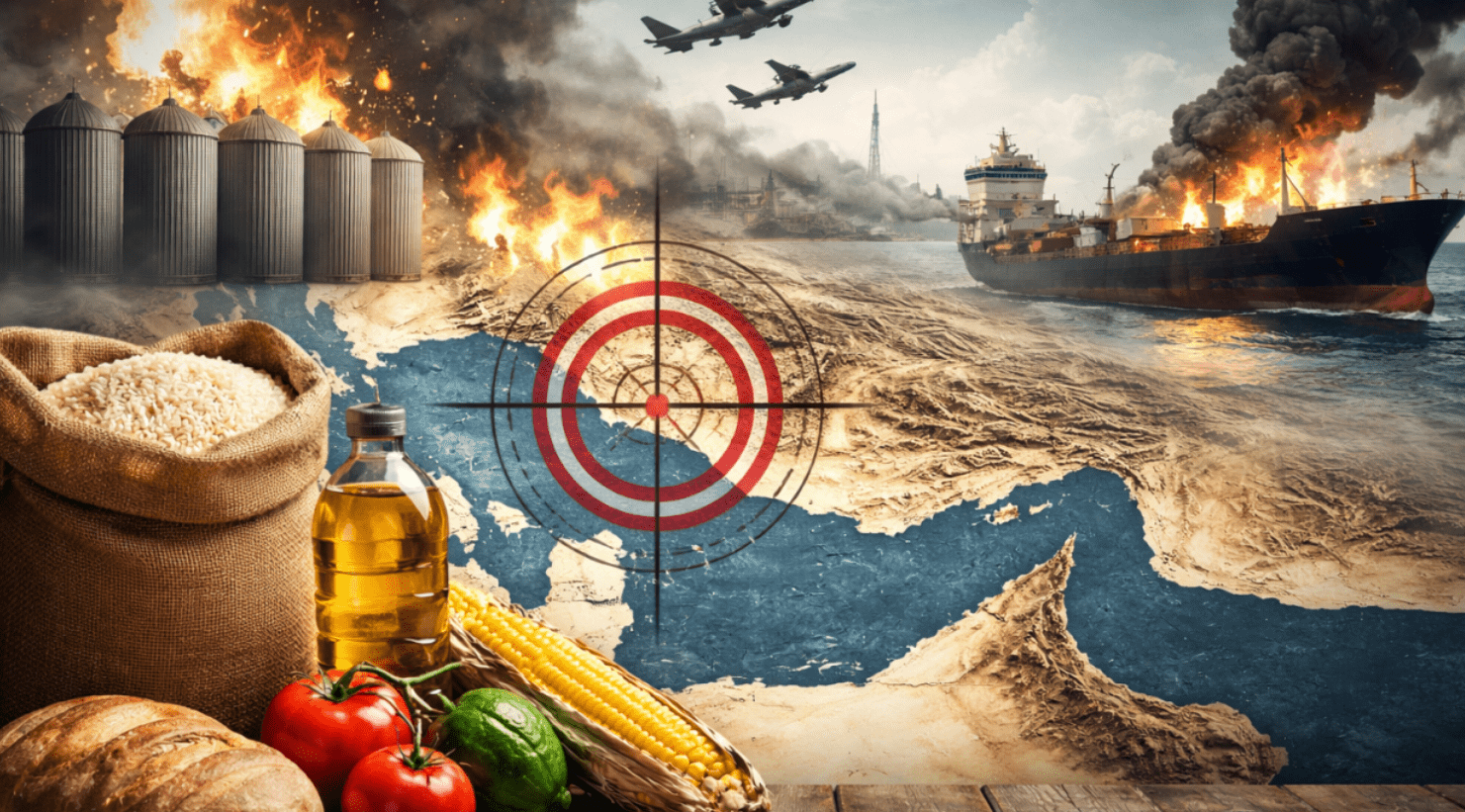
A growing international crisis is unfolding far beyond the oil market. According to new warnings from the United Nations, disruptions in the strategically vital Strait of Hormuz could spark a devastating global food emergency if tensions linked to the ongoing Iran conflict continue to escalate.
While much of the world’s attention has focused on rising energy prices and geopolitical instability, experts now fear the fallout could soon hit global agriculture, food supplies, and humanitarian systems on a massive scale.
The warning comes as food prices already sit near three-year highs and fertiliser costs continue climbing worldwide. Aid organisations and economists increasingly believe that prolonged shipping disruptions through the Strait of Hormuz could trigger severe shortages, particularly in vulnerable economies already struggling with inflation, debt, and import dependency.
If the situation worsens, millions more people could face hunger in the months ahead.
Why the Strait of Hormuz Matters to Global Food Security
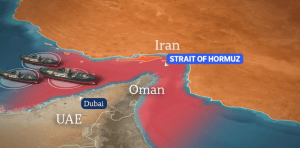
The Strait of Hormuz is one of the world’s most critical maritime trade routes. Located between Iran and Oman, the narrow waterway connects the Persian Gulf to global shipping lanes and serves as a vital corridor for oil, gas, and industrial exports.
However, its importance extends far beyond energy markets.
Large volumes of fertilisers and agricultural chemicals also pass through the strait every year. These materials are essential for global food production because modern farming systems depend heavily on fertiliser supplies to maintain crop yields and agricultural efficiency.
The United Nations now warns that if shipping disruptions continue for several weeks, fertiliser shortages could rapidly spread across international markets.
That scenario would create a dangerous chain reaction.
Reduced fertiliser availability would likely increase farming costs, lower crop production, and push food prices even higher worldwide. Countries already facing food insecurity would be especially vulnerable, particularly those heavily dependent on imported agricultural goods.
In many developing economies, even small increases in food prices can trigger widespread hardship.
Fertiliser Prices Are Already Surging
The global agricultural sector was already under pressure before the latest Middle East tensions intensified.
Over the last several years, supply chain disruptions, climate-related challenges, and geopolitical conflicts have repeatedly affected food production and fertiliser distribution. Farmers across multiple regions have struggled with rising operating costs, while consumers continue facing higher grocery prices.
Now, fears surrounding the Strait of Hormuz are adding another layer of uncertainty.
Fertilisers play a critical role in growing staple crops such as wheat, rice, corn, and soybeans. Without stable access to these products, agricultural output can decline significantly within a single growing season.
That risk becomes even more alarming when combined with existing global inflation pressures.
According to humanitarian agencies, many low-income nations already spend enormous portions of their budgets importing food and agricultural supplies. If fertiliser prices continue climbing, governments may struggle to maintain stable food access for their populations.
For millions of families worldwide, the result could mean rising hunger and deepening economic instability.
Global Hunger Risks Continue to Grow
The UN’s warning highlights a broader concern that the world may be approaching another major food crisis.
Humanitarian organisations have repeatedly stressed that global hunger levels remain dangerously high following years of economic disruption, regional conflicts, and climate shocks. In several parts of Africa, the Middle East, and Asia, food insecurity has already reached critical levels.
A prolonged disruption in the Strait of Hormuz could dramatically worsen those conditions.
Shipping instability affects more than just physical supply routes. It also creates panic across commodity markets, drives speculation, and increases transportation costs globally. As uncertainty rises, businesses and governments often rush to secure supplies, placing additional pressure on already strained markets.
The consequences tend to hit poorer countries hardest.
Nations with weaker currencies and limited financial reserves often cannot compete with wealthier economies when prices spike. That imbalance can lead to shortages, rationing, and humanitarian emergencies in regions already facing severe economic hardship.
Aid groups fear tens of millions of additional people could fall into food insecurity if disruptions continue through the coming months.
Energy Markets and Food Systems Are Deeply Connected
One reason the situation has become so concerning is the close relationship between energy markets and global food production.
Modern agriculture depends heavily on fuel at nearly every stage of the supply chain. Farmers use fuel-powered machinery for planting and harvesting, while transportation systems rely on energy to move crops, fertilisers, and food products worldwide.
When oil prices rise sharply, food production costs often increase as well.
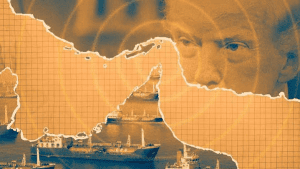
The Strait of Hormuz plays a central role in global oil transportation, with a significant percentage of the world’s crude exports moving through the route every day. Any threat to shipping stability can quickly send energy prices soaring.
That creates a double economic shock.
On one side, fertiliser supply chains face disruption. On the other, higher fuel prices raise farming and transportation costs globally. Combined, those pressures can rapidly accelerate food inflation.
Consumers around the world are already feeling the effects of rising grocery prices. If tensions escalate further, economists warn the impact could become far more severe.
Vulnerable Economies Face the Greatest Threat
Although the crisis could affect global markets broadly, lower-income countries remain the most exposed.
Many developing nations rely heavily on imported wheat, fertilisers, and fuel. At the same time, these economies often carry significant debt burdens and possess limited financial flexibility to absorb additional price increases.
For governments already managing inflation and social unrest, a new food shock could create serious political and economic consequences.
Some countries may be forced to increase subsidies or emergency food assistance programs, placing additional strain on public finances. Others could face rising poverty levels as household food costs consume larger shares of family incomes.
The UN and international aid agencies are now urging governments and global institutions to closely monitor supply chains and prepare contingency plans before disruptions intensify further.
Preventing panic and stabilising trade flows may become essential in avoiding a larger humanitarian crisis.
The World Is Watching a Critical Global Pressure Point
The growing fears surrounding the Strait of Hormuz reveal how interconnected the modern global economy has become. A conflict in one strategically important region can quickly ripple across agriculture, trade, energy markets, and household budgets worldwide.
While the immediate focus remains on geopolitical tensions and shipping security, the deeper concern now centers on food stability.
The world has already experienced how fragile supply chains can become during periods of conflict and disruption. From pandemic shortages to inflation crises, recent years have exposed the vulnerability of global systems that millions of people depend on daily.
If disruptions in the Strait of Hormuz continue, the impact could extend far beyond oil prices.
For vulnerable populations around the world, the stakes may ultimately come down to something even more fundamental: access to affordable food.












Comments are closed.