
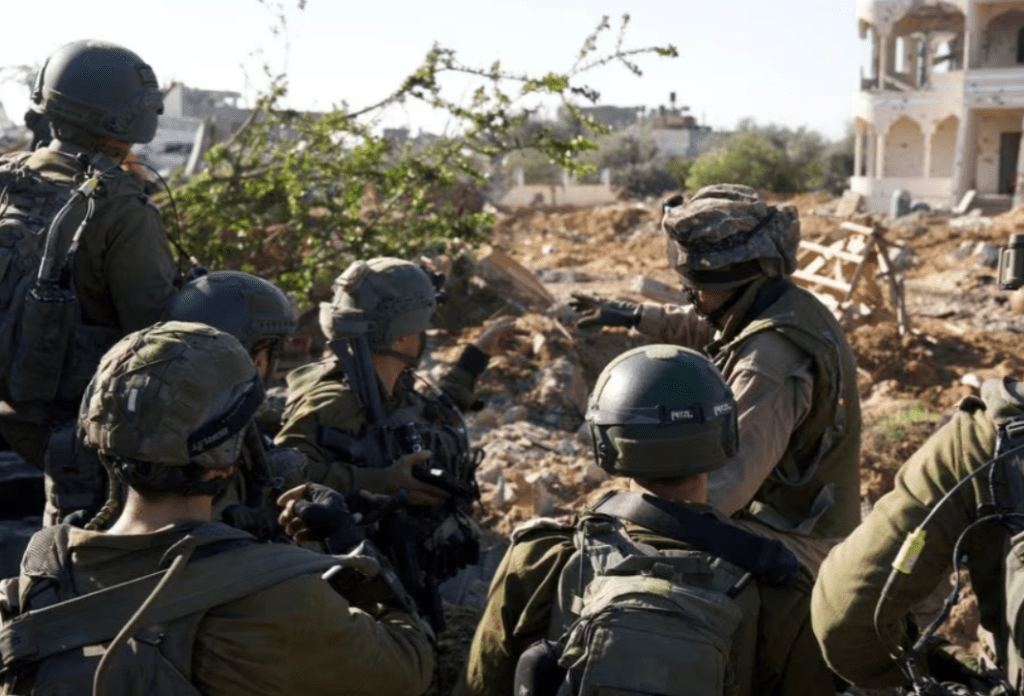
Tensions in the Middle East are escalating once more as renewed violence shakes southern Lebanon. Despite a recently extended ceasefire, deadly attacks have continued, raising urgent questions about stability, diplomacy, and civilian safety in the region.
The latest wave of strikes has not only increased casualties but also intensified international concern. As both political leaders and civilians react, the fragile truce appears to be under growing strain.
Deadly Attacks Continue Despite Ceasefire
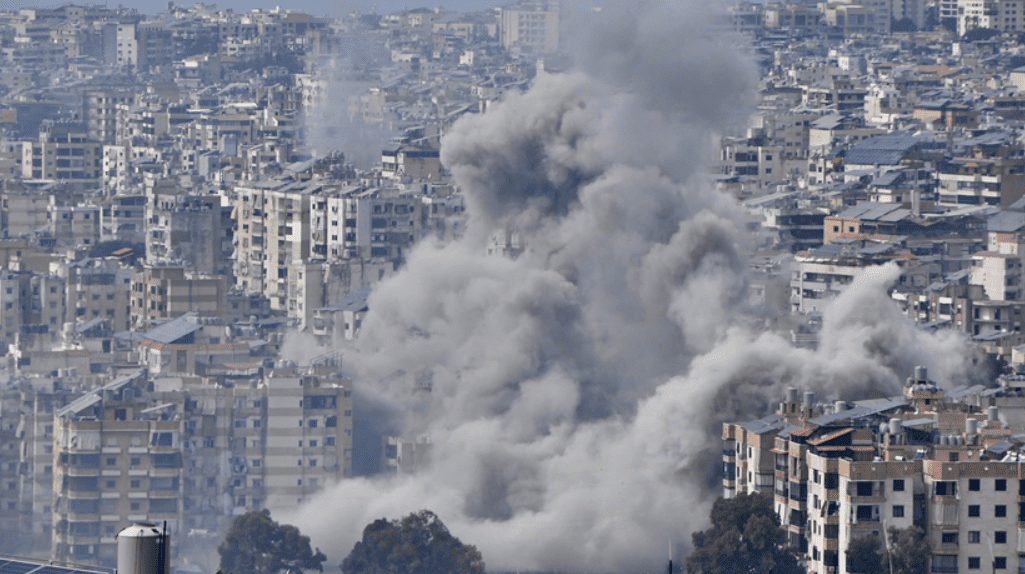
At least nine people have been killed in southern Lebanon following Israeli strikes, according to official reports. These incidents occurred even after a United States-mediated ceasefire extension, which was intended to reduce hostilities.
In the town of Jebchit, a residential building was destroyed, leaving three people dead and several others injured. Similarly, attacks in Toul claimed four lives, while two more were killed in Harouf after a house was hit.
Meanwhile, artillery shelling has been reported in multiple المناطق, further escalating tensions on the ground.
Rising Casualties and Civilian Impact
Over the past 24 hours, the scale of violence has increased significantly. Reports indicate that more than 20 people have been killed in air raids, including families, soldiers, and emergency responders. In addition, over 70 individuals, among them children, have been injured.
This surge in casualties highlights the ongoing risk to civilians, even under a ceasefire agreement. Homes, medical teams, and rescue workers have all been affected, deepening the humanitarian crisis.
Escalation Across Southern Lebanon
Israeli forces have intensified operations across several المناطق in southern Lebanon. Towns such as Zawtar al-Sharqiyah, Yohmor al-Shaqif, and Bayt al-Sayyad have experienced heavy shelling.
Additionally, new displacement warnings have been issued for at least 15 المناطق and villages. Residents in places like Jebchit, Toul, and Kafr Jouz now face the difficult decision of whether to leave their homes amid uncertainty and fear.
These developments suggest a widening scope of military activity, despite ongoing diplomatic efforts.
Political Reactions and International Pressure
Lebanese leadership has strongly condemned the continued attacks. President Joseph Aoun criticized what he described as repeated violations of the ceasefire, pointing to the destruction of homes and places of worship.
He called for increased international pressure to ensure compliance with international law and to protect civilians and humanitarian organizations.
At the same time, Parliament Speaker Nabih Berri urged the formation of an international fact-finding committee to investigate alleged violations.
The Role of Diplomacy in a Fragile Truce
The ceasefire, brokered with the involvement of the United States, was meant to create space for renewed negotiations. However, continued violence has complicated diplomatic efforts.
Lebanese officials are reportedly seeking clarity on when talks might resume. Yet, the ongoing escalation suggests that political solutions remain uncertain.
Observers note that increased international pressure could play a key role in stabilizing the situation. Without it, the ceasefire risks collapsing entirely.
Long-Term Impact of the Conflict
Since early March, the conflict has had a devastating toll. Thousands of people in Lebanon have been killed, and many more have been injured.
Infrastructure damage, mass displacement, and psychological trauma continue to affect communities across the الجنوب. The destruction of homes and essential services has made recovery increasingly difficult.
Moreover, the situation raises broader concerns about regional stability and the potential for further escalation.
Conclusion: A Ceasefire Under Threat
The latest developments in southern Lebanon paint a troubling picture. Despite diplomatic agreements, violence persists, and the human cost continues to rise.
While leaders call for accountability and renewed negotiations, the reality on the ground remains volatile. For now, the ceasefire appears fragile, and the path to lasting peace remains uncertain.
The coming days will be critical in determining whether diplomacy can prevail or whether the conflict will deepen further.









Comments are closed.