


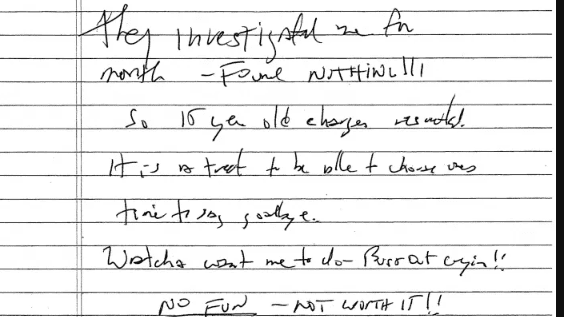
A federal court in the United States has released a document described as a purported suicide note attributed to financier Jeffrey Epstein, while stopping short of confirming its authenticity, in a case that continues to fuel debate over transparency in long-running investigations linked to his death in 2019.
Background & Context
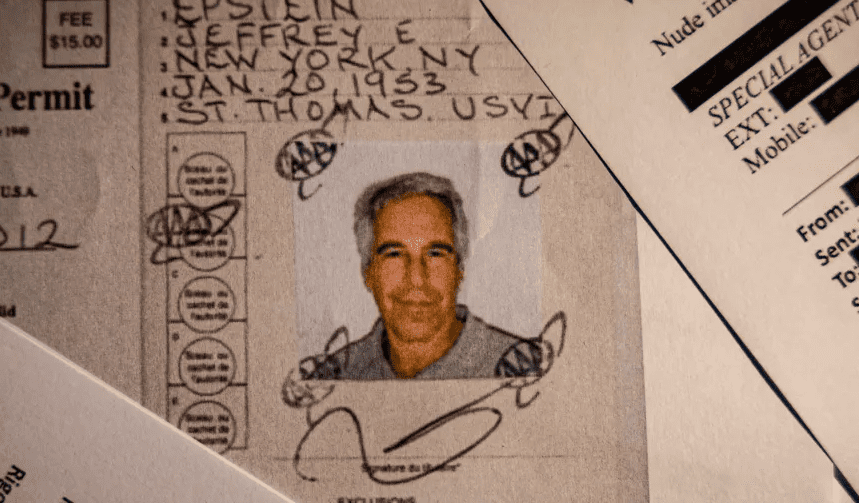
Jeffrey Epstein, a convicted sex offender facing federal sex trafficking charges, died in a Manhattan jail cell in August 2019 while awaiting trial. Authorities ruled his death a suicide, though the circumstances have remained the subject of sustained public scrutiny and political controversy.
Epstein’s case has generated extensive legal proceedings and congressional interest due to his connections with influential figures across politics, business, and entertainment. Over the years, U.S. authorities have released large volumes of investigative material, while lawmakers and journalists have continued to seek additional disclosures.
The newly released document emerged within a separate criminal case involving Nicholas Tartaglione, a former police officer and convicted murderer who had briefly shared a jail cell with Epstein shortly before his death.
Key Developments
A U.S. district judge in New York authorized the release of the document, determining that it qualified as a judicial record subject to public access. However, the court explicitly did not validate its authenticity, leaving open questions about its origin and accuracy.
According to court filings, the handwritten note—allegedly found by Tartaglione—contained references to Epstein’s legal situation and his reflections on his circumstances prior to his death. Tartaglione’s legal team stated that the document was discovered in their shared cell and later referenced its existence publicly.
The note was reportedly written on a legal pad and included statements suggesting frustration with legal investigations. Epstein died several weeks after the period during which he and Tartaglione were said to have shared custody space.
The document had not been included in earlier large-scale disclosures by the U.S. Department of Justice, prompting renewed attention after it was reported by media outlets and subsequently requested for release by journalists.
Analysis & Implications
The release underscores ongoing tensions in the United States between judicial transparency and unresolved public questions surrounding high-profile criminal cases. While courts have increasingly emphasized public access to records, they also face constraints in verifying disputed or secondary materials introduced in unrelated proceedings.
Politically, the Epstein case continues to intersect with broader debates in US politics, particularly around accountability, institutional trust, and the handling of sensitive investigative material. Lawmakers from both parties have at times called for expanded disclosures, reflecting sustained public interest in the case.
The document’s release is unlikely to resolve long-standing questions about Epstein’s death, but it adds another layer to a complex evidentiary record that has been shaped by multiple investigations, legal disputes, and partial document disclosures over several years.
Conclusion
As legal and congressional scrutiny of Epstein-related materials continues, the release of disputed documents is expected to keep the case in public discourse. However, without judicial confirmation of authenticity or new investigative findings, the broader questions surrounding the circumstances of Epstein’s death and his network of connections remain unresolved.
















Comments are closed.