
A multinational public health response is under way after a hantavirus outbreak linked to the cruise vessel MV Hondius prompted emergency evacuations, quarantines, and international monitoring efforts across several countries. Health authorities are working to trace the origins of the outbreak as confirmed and suspected infections continue to emerge among passengers who recently travelled aboard the expedition ship operating in the South Atlantic and Antarctic region.

The incident has drawn international attention due to the rare nature of the Andes strain of hantavirus, which is capable of limited human-to-human transmission. Officials from the World Health Organization (WHO), European governments, and the United States have emphasized that the broader public remains at low risk, while warning that exposed passengers require extended monitoring because of the virus’s incubation period.
International Evacuations and Quarantine Measures
The MV Hondius, operated by Oceanwide Expeditions, anchored near Tenerife in Spain’s Canary Islands after reports of severe illness among passengers and crew. Authorities coordinated a large-scale evacuation operation involving medical teams, military aircraft, and public health agencies from multiple countries.
Passengers from more than 20 nations have since been transported to their home countries for quarantine, testing, and observation. Governments including the United States, France, the Netherlands, Norway, Germany, the United Kingdom, and Australia have implemented varying isolation measures ranging from hospital monitoring to several weeks of self-quarantine.
US health officials confirmed that at least one American passenger tested positive for the virus without displaying symptoms. French authorities also reported that one passenger developed symptoms during repatriation, later requiring medical attention after arrival in Paris.
According to WHO guidance, exposed individuals may need to be monitored for up to six weeks due to the potential incubation period associated with hantavirus infections.
Fatalities and Ongoing Medical Investigations
At least three deaths have been linked to the outbreak, while several additional individuals remain hospitalized in countries including South Africa, Switzerland, and the Netherlands. One patient has reportedly been placed in intensive care.
Health authorities continue to investigate how transmission occurred aboard the vessel and whether infections originated before embarkation or spread during the voyage itself. Epidemiologists are particularly focused on the Andes strain, a variant endemic to parts of South America and considered the only hantavirus strain known to spread between humans under limited conditions.
Investigators are attempting to reconstruct passenger movements before the cruise departed from Argentina on April 1. Early inquiries have centered on possible exposure in Patagonia, including areas near Ushuaia, a major tourism hub commonly used as a gateway to Antarctic expeditions.
Focus Turns to South America
Public health agencies in Argentina and Chile have launched environmental investigations to determine whether infected rodents may have exposed travellers before boarding the ship. Local media reports suggested that some passengers may have visited remote landfill or wildlife observation areas in southern Argentina, though officials have not confirmed a direct connection.
Authorities in Ushuaia stated that no recent hantavirus cases had been recorded locally in decades, but experts cautioned that ecological conditions and rodent migration patterns can shift over time, potentially altering disease risks.
Chilean officials have also reviewed the travel history of infected passengers because the Andes strain remains endemic in several southern regions of the country. However, authorities indicated that the timing of the travellers’ stay in Chile may not align with the known incubation period.
Uruguayan health authorities similarly stated that available evidence suggests there was no active transmission risk during the passengers’ time in the country.
Understanding Hantavirus and the Andes Strain
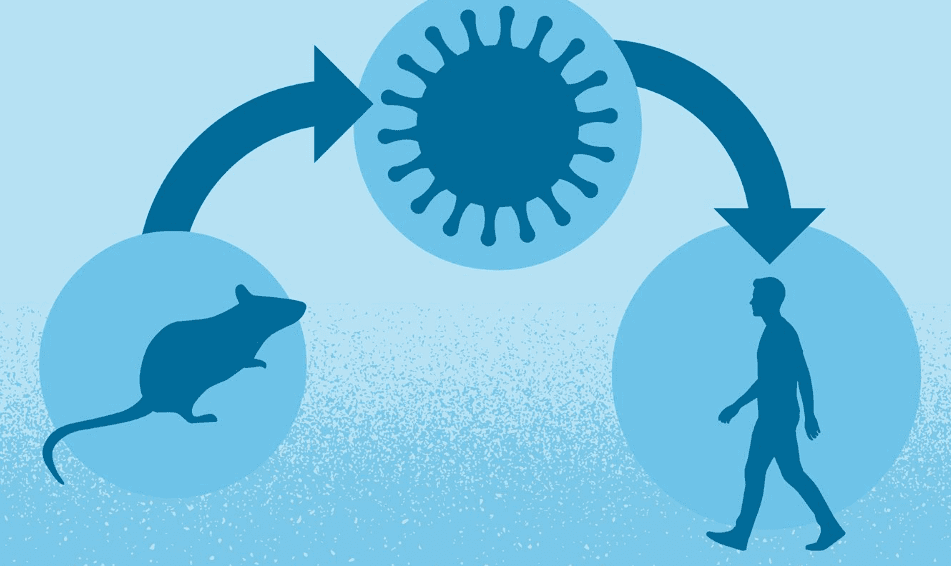
Hantavirus infections are typically transmitted to humans through contact with infected rodent saliva, urine, or droppings, often when contaminated particles become airborne. Symptoms can initially resemble influenza, including fever, muscle pain, fatigue, and respiratory complications, before progressing rapidly in severe cases.
While most hantavirus strains are not believed to spread between humans, the Andes strain identified in South America has been associated with limited person-to-person transmission in previous outbreaks.
The current incident has revived memories of earlier international disease emergencies, though health experts stress that hantavirus spreads far less efficiently than respiratory viruses such as COVID-19.

WHO officials have repeatedly stated that there is currently no indication of widespread community transmission linked to the cruise outbreak. Nevertheless, the international nature of the voyage and the dispersal of passengers across multiple countries have complicated containment and contact-tracing efforts.
Implications for Global Public Health and International Travel
The outbreak highlights continuing vulnerabilities in international travel and cruise operations when dealing with infectious diseases that may emerge in remote regions. It also underscores the importance of coordinated diplomacy, international relations, and cross-border health surveillance during public health emergencies.
Governments involved in the response are balancing public reassurance with preventive measures designed to contain potential transmission. The incident may also renew scrutiny of expedition tourism routes operating through remote areas of South America and Antarctica, where environmental exposure risks can be difficult to assess.
For the United States and European governments, the outbreak represents another test of international health coordination established after the COVID-19 pandemic, including rapid evacuation planning, information sharing, and quarantine protocols.
Public health agencies are expected to continue monitoring passengers and crew over the coming weeks as investigations into the outbreak’s source and transmission patterns remain ongoing.















Comments are closed.