
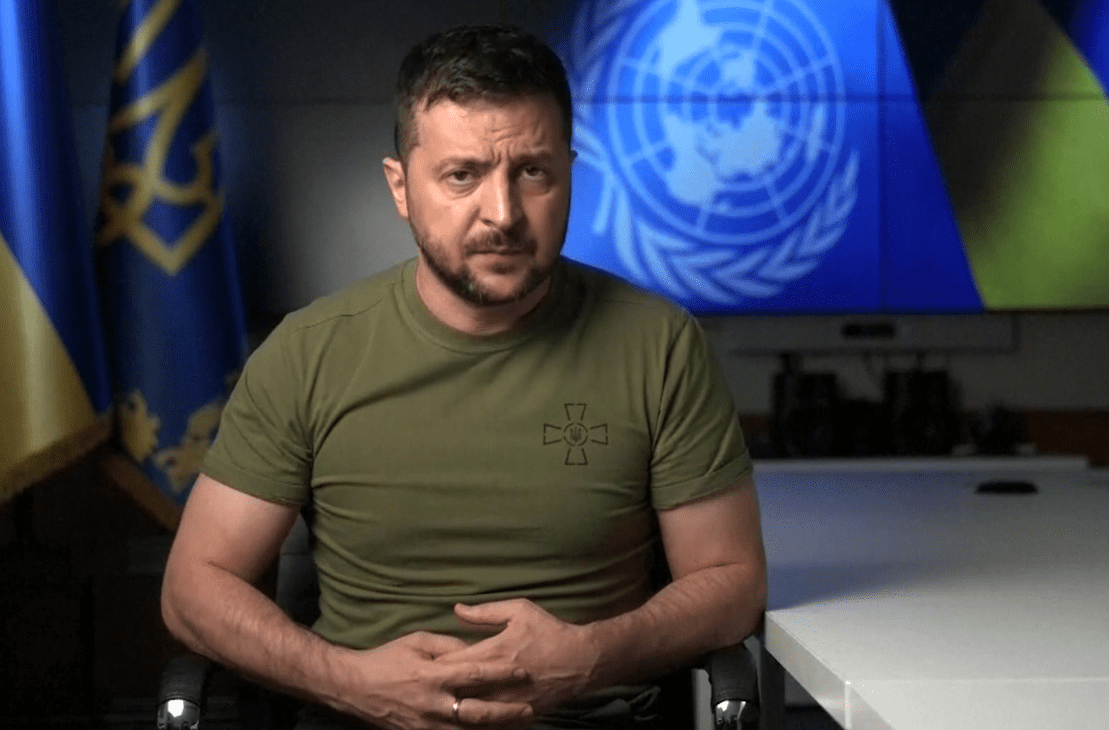
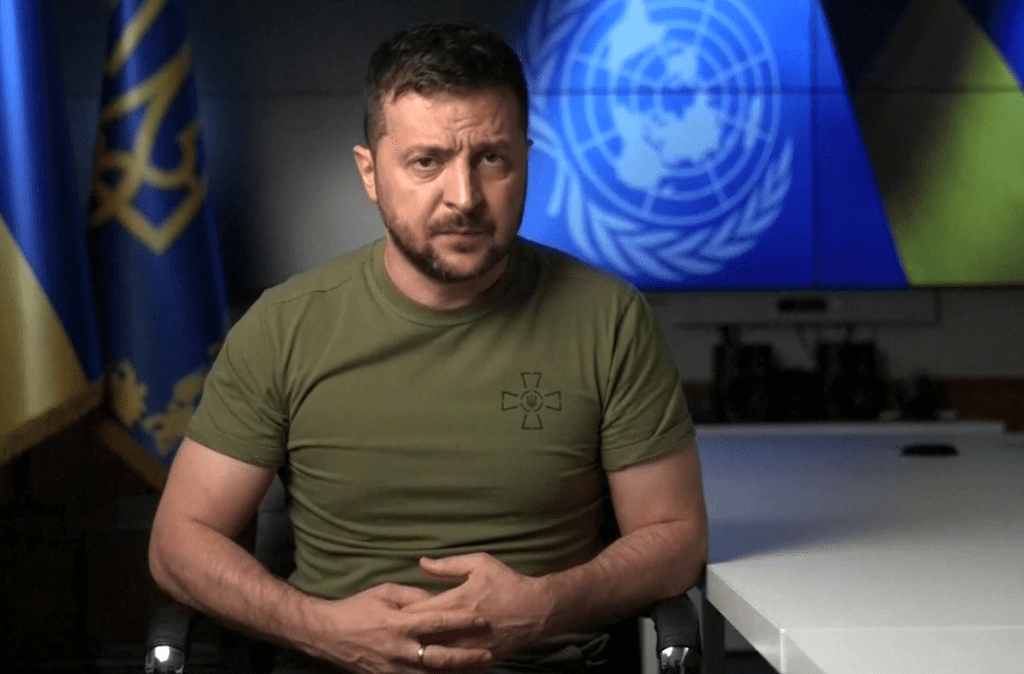
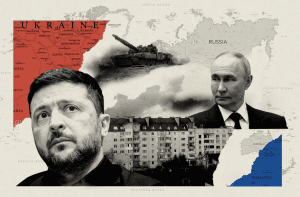
Ukrainian President Volodymyr Zelensky has sharply criticized a United States decision to extend a sanctions waiver allowing limited transactions involving Russian oil, warning that the move risks sustaining Moscow’s war effort. The extension comes amid escalating instability in the Middle East and renewed volatility in global energy markets, underscoring the complex trade-offs shaping US foreign policy and international efforts to contain Russia.
Background & Context
Since the launch of Russia’s full-scale invasion of Ukraine in February 2022 under Vladimir Putin, the United States and its allies have imposed sweeping sanctions targeting Russian banks, technology imports, and—critically—energy exports. Oil and gas revenues remain central to Russia’s economy, accounting for a substantial portion of state income and funding for military operations.
Sanctions on Russian crude have included price caps, import bans, and restrictions on shipping and insurance services. However, enforcement has proven uneven, with Moscow developing alternative trade networks, including a so-called “shadow fleet” of tankers operating under opaque ownership structures and often outside Western regulatory oversight.
The latest U.S. decision to extend a waiver—originally introduced to allow transactions involving already-shipped Russian oil cargoes—comes at a time of heightened geopolitical tensions in the Middle East. Conflict involving Iran, alongside attacks on energy infrastructure and shipping routes, has disrupted supply chains and heightened fears of a broader energy crisis.
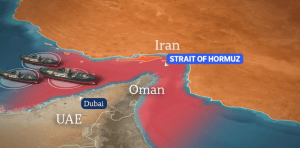
Particularly significant has been instability around the Strait of Hormuz, a narrow maritime corridor through which roughly one-fifth of the world’s oil and a significant share of liquefied natural gas typically passes. Any disruption to this route has immediate global repercussions, including price spikes and supply shortages.
Key Developments
The U.S. Treasury confirmed that the waiver would be extended until mid-May, allowing countries and companies to complete purchases of Russian oil already loaded onto vessels. Officials described the measure as temporary and necessary to ensure energy availability during a period of exceptional market stress.
Washington has linked the decision in part to the broader impact of conflict involving Iran and its regional implications, which have affected oil production, transportation, and infrastructure across multiple countries.
President Zelensky responded with strong criticism, arguing that any financial inflow to Russia’s energy sector ultimately supports its military campaign in Ukraine. “Every dollar paid for Russian oil is money for the war,” he said, emphasizing the direct link between energy revenues and continued attacks on Ukrainian cities.
Ukrainian officials have also raised concerns about the scale of Russia’s circumvention efforts. Kyiv estimates that Moscow controls more than 100 vessels within a shadow fleet used to bypass sanctions, potentially enabling billions of dollars in continued oil sales. While these figures are difficult to independently verify, analysts broadly agree that enforcement gaps remain a persistent challenge.
On the battlefield, the war shows little sign of de-escalation. Ukrainian authorities report ongoing large-scale aerial assaults involving drones, guided bombs, and missile systems targeting both civilian and strategic infrastructure. One recent wave of attacks reportedly involved hundreds of projectiles in a single night, marking one of the most intense bombardments in months.
Ukraine has also continued its own military operations, including strikes on Russian energy infrastructure, reflecting an increasingly reciprocal dynamic in targeting critical assets.
Analysis & Implications
Pressure on US Foreign Policy
The waiver highlights a central dilemma in US foreign policy: balancing economic stability with strategic pressure on adversaries. While sanctions remain a cornerstone of Washington’s approach to Russia, their effectiveness depends on consistent enforcement and international coordination.
Allowing limited transactions involving Russian oil may help stabilize global markets in the short term, particularly as supply disruptions linked to Middle East tensions threaten to drive prices higher. However, even temporary relief measures risk sending mixed signals to allies and markets about the durability of sanctions regimes.
Impact on Middle East Politics and Energy Security
The decision also reflects the far-reaching impact of Middle East instability on global economic policy. Escalating tensions involving Iran, including threats to maritime routes and energy infrastructure, have introduced new variables into already strained markets.
In this context, policymakers are navigating a complex landscape where disruptions in one region directly influence strategic decisions in another. The interconnectedness of global energy systems means that efforts to isolate one major producer—such as Russia—can be undermined by supply shocks elsewhere.
Implications for Ukraine and European Allies
For Ukraine, the waiver raises concerns about long-term Western commitment to economic pressure on Russia. Kyiv and several European partners have consistently advocated for stricter enforcement mechanisms and reduced loopholes in sanctions policy.
There is also a broader question of credibility. If sanctions are perceived as flexible or conditional, their deterrent effect may weaken, potentially complicating diplomatic efforts and negotiations aimed at ending the conflict.
At the same time, European economies remain sensitive to energy price fluctuations, particularly those still transitioning away from Russian imports. This creates an inherent tension between maintaining pressure on Moscow and ensuring domestic economic stability.
Global Economic Considerations
Beyond geopolitics, the decision reflects concerns about the global economy. Prolonged disruptions to oil supply—especially through key chokepoints like the Strait of Hormuz—could contribute to inflationary pressures and increase the risk of recession.
By extending the waiver, the United States appears to be prioritizing short-term market stability, even as it seeks to maintain long-term strategic pressure on Russia.
Conclusion
The extension of the Russian oil waiver illustrates the increasingly complex interplay between conflict, energy security, and international diplomacy. As wars in Ukraine and the Middle East continue to evolve, policymakers face difficult choices that balance immediate economic needs against longer-term strategic objectives.
Future decisions on sanctions enforcement are likely to depend on both developments on the battlefield and the stability of global energy markets. For now, the waiver underscores the challenges of sustaining a unified and consistent approach to economic pressure in an era of overlapping geopolitical crises.












Comments are closed.