
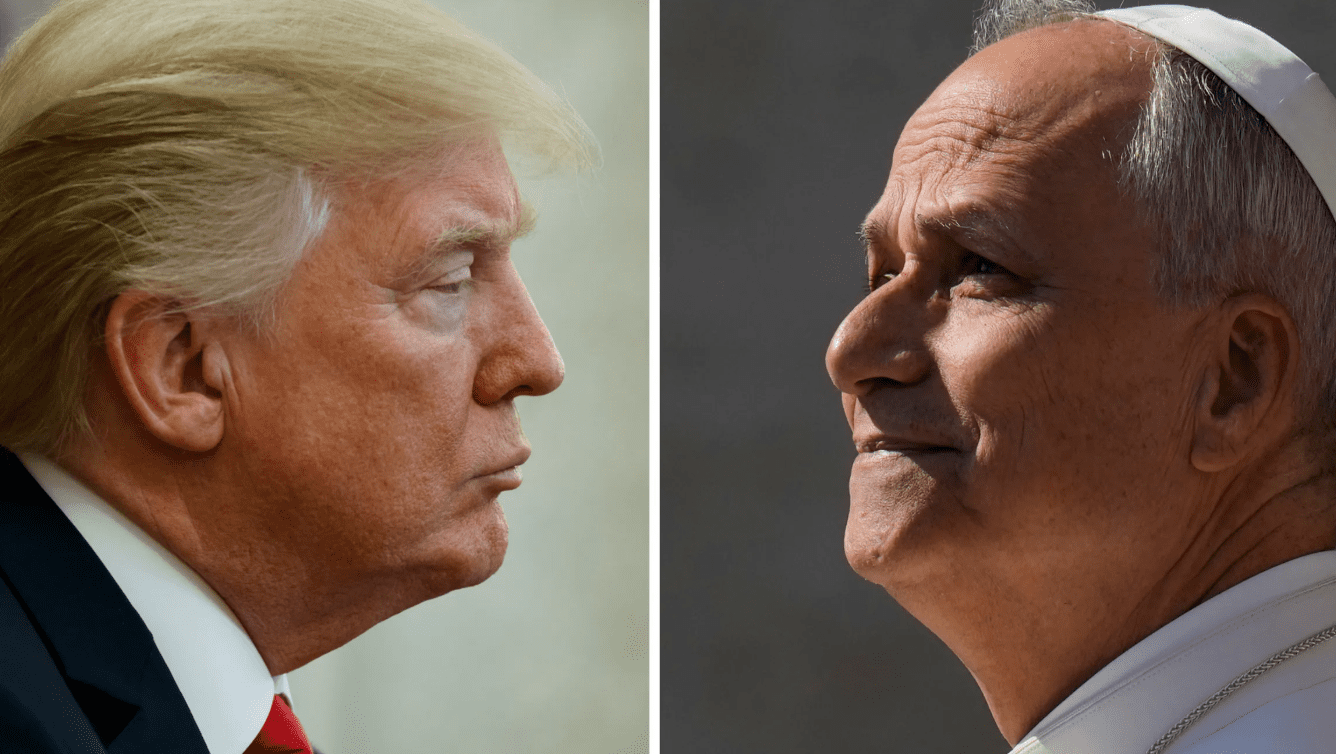
Tensions between the Vatican and Washington have intensified following public criticism by Donald Trump of Pope Leo XIV, who has reiterated his opposition to war in the Middle East and emphasized the Church’s mission to promote peace amid escalating geopolitical strains.
Background & Context
The exchange reflects a broader divergence between religious diplomacy and state-driven foreign policy, particularly in the context of ongoing conflict involving Iran and its regional implications. The Vatican has historically positioned itself as a neutral moral authority, advocating for peace and dialogue in global conflicts, while U.S. foreign policy in the Middle East has often prioritized strategic and security considerations.
Recent hostilities in the region—linked to tensions involving Iran, Israel, and U.S. interests—have heightened international concern and placed additional scrutiny on global leaders’ responses. The Holy See’s diplomatic engagement traditionally centers on de-escalation and humanitarian principles, occasionally placing it at odds with more assertive political approaches.
Key Developments
In recent remarks, Pope Leo XIV reaffirmed his commitment to advocating for peace, stating that the Church’s mission is to “preach the Gospel” and promote reconciliation. He acknowledged criticism but maintained that his position is rooted in longstanding religious principles.
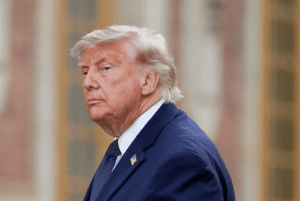
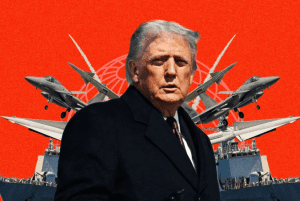
President Trump, however, has publicly criticized the pontiff, accusing him of undermining security and suggesting—without evidence—that the Pope supports Iran acquiring nuclear weapons. No such position has been expressed by the Vatican.
The dispute comes as Marco Rubio travels to the Vatican for scheduled diplomatic meetings. According to the U.S. State Department, discussions are expected to include Middle East developments and broader bilateral relations. Rubio has downplayed the significance of the disagreement, describing the visit as pre-planned and focused on ongoing cooperation.
Meanwhile, Giorgia Meloni has also entered the discussion, expressing criticism of the conflict and voicing support for the Pope’s stance. The situation has added complexity to Italy’s diplomatic balancing between its domestic leadership, Vatican proximity, and alignment with U.S. policy.
U.S. Ambassador to the Holy See Brian Burch has sought to minimize the dispute, stating that differences between nations and institutions are not unusual and can be addressed through dialogue.
Analysis & Implications
The episode highlights a growing intersection between US foreign policy, Middle East politics, and moral authority in international relations. While the Vatican lacks military or economic leverage, its influence lies in shaping global discourse, particularly among Catholic populations and diplomatic networks.
For Washington, maintaining alignment with allies—both political and moral—remains a key component of its broader strategy in the Middle East. Public disagreements with the Vatican could complicate this dynamic, especially in regions where religious leadership carries significant weight.
At the same time, the controversy underscores the domestic political dimension of foreign policy debates in the United States. Public criticism of religious figures by political leaders may resonate with certain constituencies while raising concerns among others, including Catholic communities.
From a geopolitical perspective, the situation reflects broader tensions surrounding Iran, nuclear policy, and the risk of regional escalation. Diverging narratives between political and religious actors may influence how global audiences interpret the legitimacy and direction of international responses to the conflict.
Conclusion
While officials on both sides have sought to downplay the significance of the dispute, the public nature of the exchange illustrates the challenges of aligning diplomatic, political, and moral perspectives in times of conflict. As discussions between U.S. and Vatican representatives continue, the focus is likely to remain on managing differences while preserving channels for dialogue amid ongoing instability in the Middle East.





Comments are closed.