
Introduction
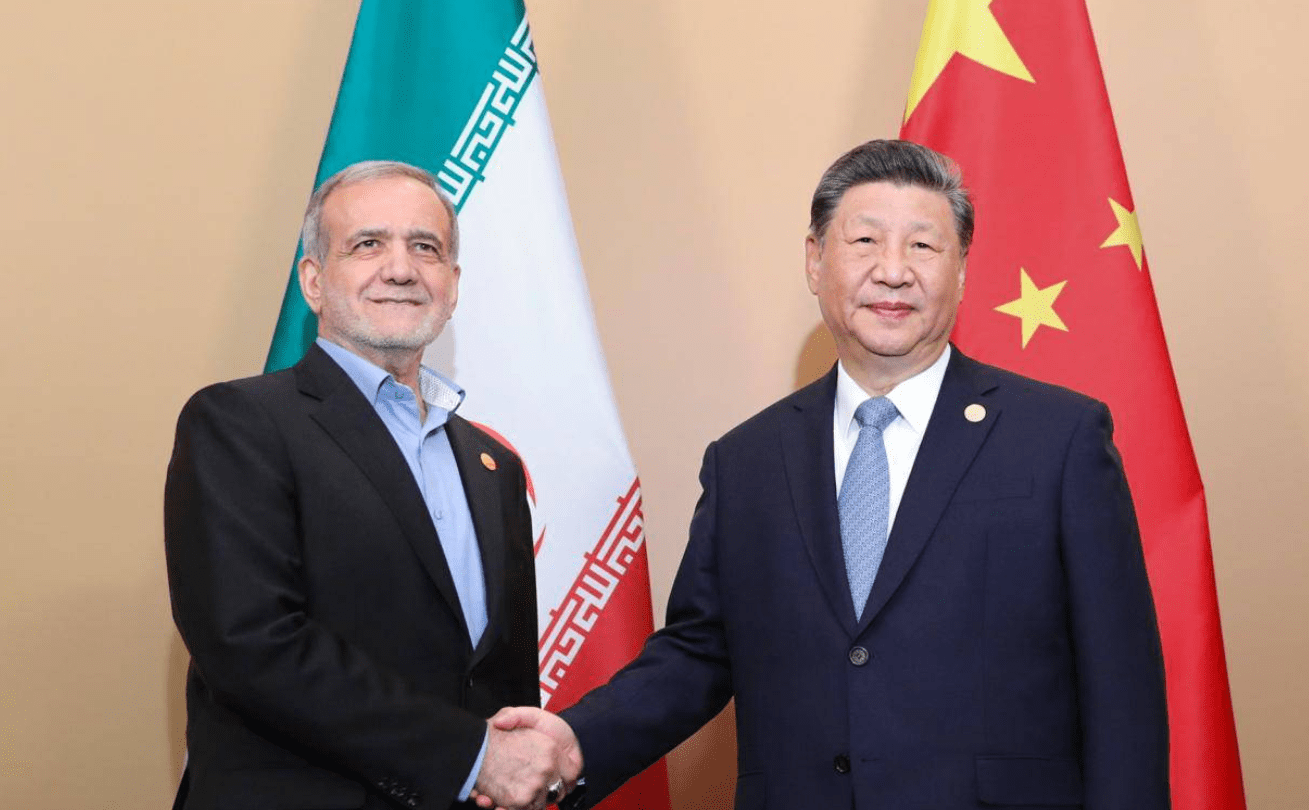
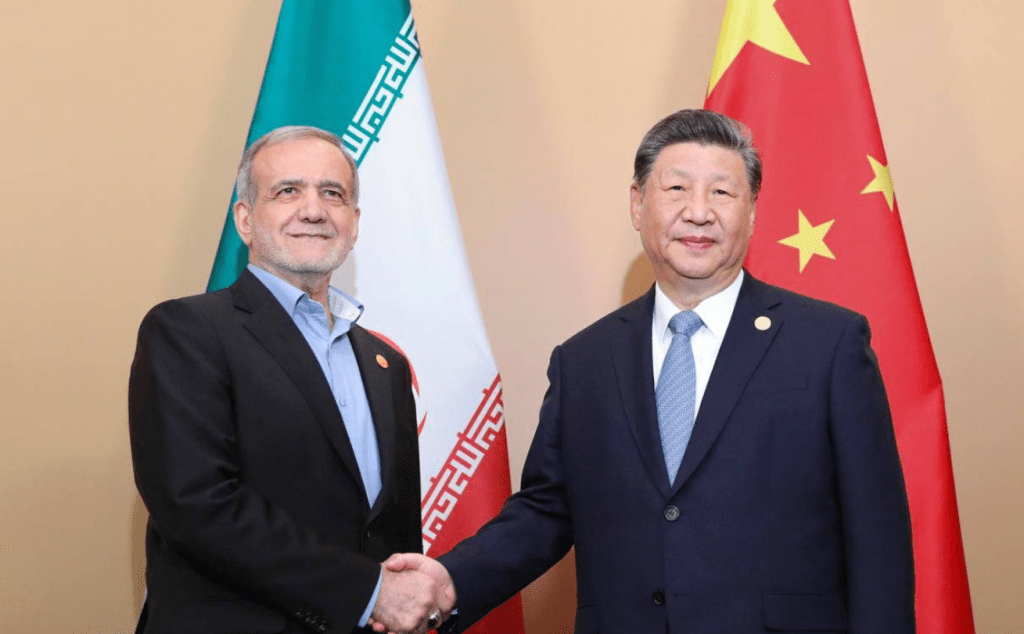
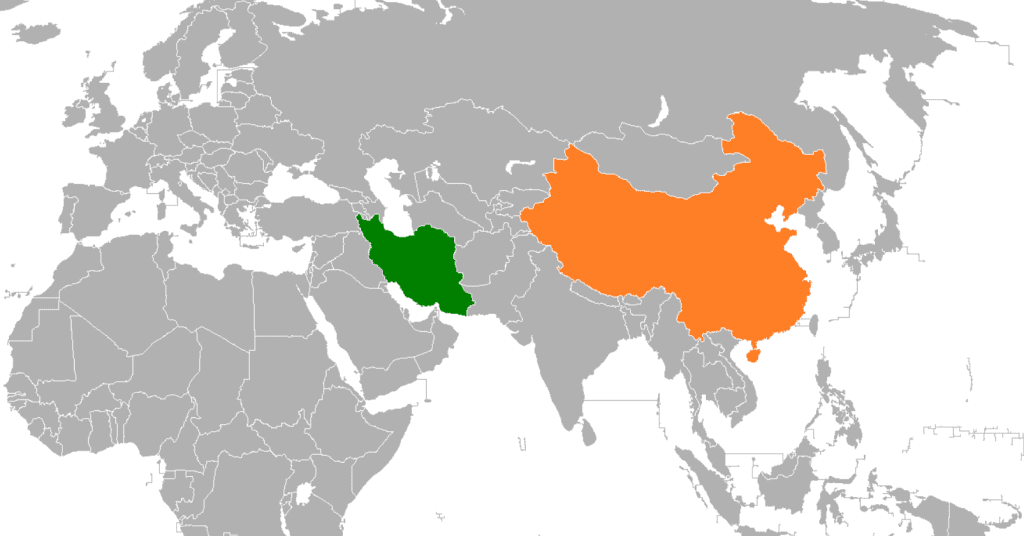
While global attention remains fixed on military escalation in the Middle East, a quieter strategy is unfolding behind the scenes. China is not leading airstrikes or issuing bold threats. Instead, it is carefully positioning itself as a stabilizing force. Through diplomacy, economic ties, and strategic patience, Beijing is gaining influence in the ongoing Iran war while presenting itself as a clear alternative to the United States.
This calculated approach is not accidental. It reflects a long-term vision that prioritizes stability, economic growth, and global positioning. As a result, China is emerging stronger, even without direct involvement in the conflict.
A Diplomatic Contrast That Shapes Global Perception
China’s response to the Iran war highlights a stark contrast in global leadership styles. President Xi Jinping has consistently emphasized dialogue and stability. He has called for reopening vital trade routes and resolving disputes through diplomatic means.
In contrast, the United States has adopted a more aggressive tone. Public declarations of military success and continued pressure on Iran have reinforced its hard-power image.
This difference matters. By avoiding inflammatory rhetoric, China positions itself as calm and rational. Consequently, many countries now view Beijing as a more predictable and balanced global actor.
Economic Interests Drive China’s Strategy
Why Stability Matters More Than Victory
China’s priorities in the Middle East are fundamentally economic. The region plays a critical role in its energy supply, with a significant portion of its oil imports coming from Gulf countries.
Therefore, prolonged conflict threatens Beijing’s core interests. Instead of taking sides, China focuses on preserving stability. Peace ensures uninterrupted trade flows, while war risks supply disruptions and rising costs.
Moreover, China maintains strong trade relationships with multiple players in the conflict. These include Iran, Saudi Arabia, the United Arab Emirates, Israel, and even the United States. This broad network allows Beijing to stay engaged without becoming entangled.
The Strait of Hormuz as a Strategic Lifeline
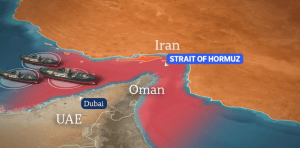
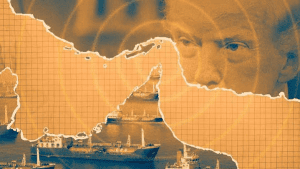
The Strait of Hormuz is one of the world’s most important energy corridors. Any disruption directly impacts global markets and China’s economy.
By advocating for its reopening, China reinforces its image as a defender of global commerce. At the same time, it protects its own economic lifeline. This dual benefit strengthens its position both regionally and globally.
The Power of Neutrality and Noninterference
A Longstanding Policy with Strategic Benefits
China’s foreign policy emphasizes noninterference in the internal affairs of other nations. While critics sometimes see this as passive, it has proven highly effective in complex conflicts.
This stance allows China to maintain relationships with opposing sides. In the Iran war, Beijing continues to engage with all key players without alienating any of them.
As a result, China can act as a mediator when needed. Its neutrality builds trust, especially among countries wary of external intervention.
Strategic Patience Over Immediate Action
Unlike traditional superpowers, China does not rush into conflicts. Instead, it observes, evaluates, and acts when opportunities arise.
This patience gives Beijing a unique advantage. While others expend resources and political capital, China preserves both. Over time, this approach allows it to step in as a problem solver rather than a participant.
Behind-the-Scenes Diplomacy Gains Momentum
Quiet Engagement with Major Players
Although China avoids the spotlight, its diplomatic activity has been intense. High-level phone calls, meetings, and negotiations have taken place with leaders across the Middle East.
These efforts demonstrate a consistent commitment to dialogue. However, China deliberately downplays its role in mediation. This helps it avoid being held responsible for complex peace processes.
Peacemaker Without the Burden
China’s approach can be described as selective engagement. It supports peace efforts but avoids taking full ownership of outcomes.
This strategy reduces risk. If negotiations fail, China’s reputation remains intact. If they succeed, Beijing still gains credit as a constructive force.
In contrast, countries that lead peace processes often face criticism when agreements collapse. China sidesteps this challenge effectively.
Balancing Relationships in a Complex Region
Walking a Diplomatic Tightrope
Maintaining strong ties with rival nations is not easy. Yet China has managed to build trust across the region.
Its partnerships span Iran, Gulf states, and Western economies. This balance allows Beijing to operate freely in a highly polarized environment.
However, this strategy requires careful calibration. Any perceived bias could damage relationships. Therefore, China continues to emphasize neutrality in both words and actions.
Preparing for the Post-War Economy
China is not only focused on the present conflict. It is also planning for what comes next.
Reconstruction efforts, infrastructure projects, and renewed trade will create major opportunities. By maintaining good relations with all sides, China ensures it can participate in post-war development.
This forward-looking strategy positions Beijing as a key economic partner in the region’s recovery.
Risks and Global Scrutiny
Allegations and Strategic Sensitivities
Despite its careful approach, China faces scrutiny from Western media and intelligence reports. Allegations of military support or surveillance cooperation with Iran have raised concerns.
While these claims remain contested, they highlight the delicate nature of China’s balancing act. Any misstep could damage its carefully built image.
Navigating Relations with the United States
At the same time, China must manage its relationship with the United States. Trade tensions and potential tariffs add another layer of complexity.
Beijing cannot afford to jeopardize economic ties with Washington. Therefore, it continues to act cautiously, ensuring its actions in the Middle East do not trigger broader conflicts.
Conclusion
China’s strategy in the Iran war is a masterclass in modern geopolitics. By prioritizing diplomacy, economic stability, and neutrality, Beijing is strengthening its global influence without direct confrontation.
This approach allows China to benefit from the situation while avoiding its risks. It preserves relationships, protects economic interests, and enhances its reputation as a responsible power.
As the conflict evolves, one thing is clear. China is not just watching from the sidelines. It is carefully shaping the future, one strategic move at a time.












Comments are closed.