
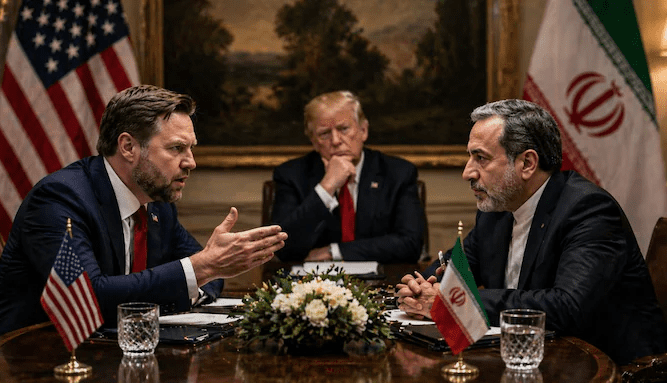
The United States has extended its ceasefire with Iran, delaying a potential return to open conflict as negotiations remain deadlocked. The move, announced by President Donald Trump, comes amid stalled diplomatic efforts, rising regional tensions, and increasing uncertainty over whether the pause in hostilities can translate into a longer-term political settlement.
Background: A Fragile Pause in a Longstanding Rivalry
The current ceasefire follows a period of intensified confrontation between Washington and Tehran, rooted in years of strained relations over Iran’s nuclear ambitions, regional influence, and U.S. sanctions policy. The latest escalation has drawn in multiple actors across the Middle East, underscoring how quickly bilateral tensions can spill into a broader geopolitical crisis.
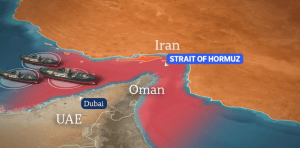
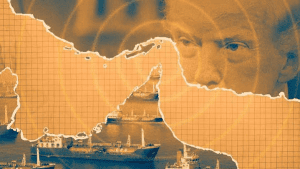
At the center of the dispute is the Strait of Hormuz, a strategic maritime corridor through which a significant portion of the world’s oil supply passes. The U.S. naval presence in the region—intended to restrict Iranian-linked shipping and enforce pressure—has been sharply criticized by Tehran as a violation of international norms and an act of economic warfare.
These developments are part of a broader pattern in U.S. foreign policy that combines deterrence with conditional diplomacy, often resulting in cycles of escalation followed by temporary de-escalation.
Ceasefire Extension: Conditions and Contradictions
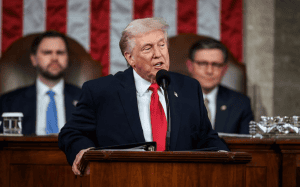
In announcing the extension, President Trump indicated that the ceasefire would remain in effect until Iran submits what he described as a “unified proposal” for negotiations. At the same time, he confirmed that U.S. military forces would maintain operational readiness and continue enforcing a naval blockade.
This dual-track approach—maintaining pressure while extending a diplomatic window—reflects a strategy aimed at compelling concessions without fully disengaging militarily. However, it has also introduced ambiguity, with inconsistent messaging from U.S. officials about timelines and objectives complicating the diplomatic landscape.
Iranian leaders have rejected the premise of negotiating under such conditions. Officials in Tehran argue that meaningful dialogue cannot take place while military pressure and economic restrictions remain in force, framing the blockade as incompatible with the spirit of a ceasefire.
Diplomatic Efforts Stall as Mediation Faces Setbacks
Efforts to revive direct negotiations have encountered significant obstacles. A planned round of talks in Pakistan—intended as a follow-up to earlier discussions—appears to have collapsed after Iran declined to participate. Iranian sources cited what they described as excessive demands from the United States, while mediation efforts by Pakistani officials have yet to produce a breakthrough.
Diplomatic sources indicate that multiple actors, including regional governments and international partners, are actively attempting to bring both sides back to the negotiating table. However, the absence of confirmed delegations and the lack of agreement on preconditions suggest that progress remains limited.
The United Nations has also called for renewed dialogue, emphasizing the need to extend the ceasefire and prevent further escalation. Yet without mutual trust or a clear framework for talks, the diplomatic process faces significant structural challenges.
Regional Flashpoints Intensify Pressure
Even as the ceasefire holds between the United States and Iran, tensions across the broader Middle East continue to rise. Exchanges of fire between Israel and Hezbollah have raised concerns about a parallel escalation that could intersect with the U.S.-Iran standoff.
In the Gulf, maritime security has deteriorated, with multiple reported attacks on commercial vessels. International maritime authorities have warned that thousands of civilian seafarers remain stranded under increasingly difficult conditions, highlighting the human and economic toll of the crisis.
Iranian military officials have issued warnings that renewed conflict could target energy infrastructure across the region, raising the stakes for neighboring countries that host U.S. military assets. Such threats underscore the interconnected nature of regional security, where local conflicts can rapidly assume global significance.
Military Posturing and Strategic Calculations
Alongside diplomatic developments, both sides continue to signal military readiness. The United States is reportedly advancing plans to increase defense spending, particularly in areas such as drone technology, missile defense, and advanced munitions—capabilities that have proven central in recent engagements.
From Washington’s perspective, maintaining a credible deterrent is seen as essential to shaping negotiations. For Tehran, demonstrating resilience in the face of pressure serves both domestic and strategic purposes, reinforcing its negotiating position.
Analysts suggest that this pattern—combining military signaling with diplomatic overtures—is characteristic of high-stakes geopolitical tensions, where both sides seek to maximize leverage without crossing into full-scale conflict.
Analysis: Implications for U.S. Policy and Global Stability
The extension of the ceasefire reflects a cautious recalibration in U.S. foreign policy, balancing the risks of escalation with the need to sustain diplomatic options. While the move reduces the immediate likelihood of renewed hostilities, it does not resolve the underlying disputes that continue to drive tensions.
For Middle East politics, the situation highlights the fragility of current security arrangements. The involvement of multiple state and non-state actors increases the risk of miscalculation, particularly in an environment where ceasefires are partial and enforcement mechanisms remain unclear.
On a global level, the implications extend to energy markets, international trade, and the credibility of diplomatic institutions. Continued instability in the Strait of Hormuz could disrupt oil flows, while prolonged geopolitical tensions may strain alliances and complicate broader international relations.
Conclusion: A Narrow Window for Diplomacy
The extension of the ceasefire offers a temporary reprieve but leaves fundamental questions unresolved. Whether this pause evolves into a sustained diplomatic process will depend on both sides’ willingness to adjust their positions and engage in substantive negotiations.
With mediation efforts ongoing and regional tensions showing no clear signs of easing, the coming period is likely to be decisive. A breakthrough could stabilize a volatile situation, but failure to achieve progress may set the stage for renewed confrontation with far-reaching consequences.














Comments are closed.