
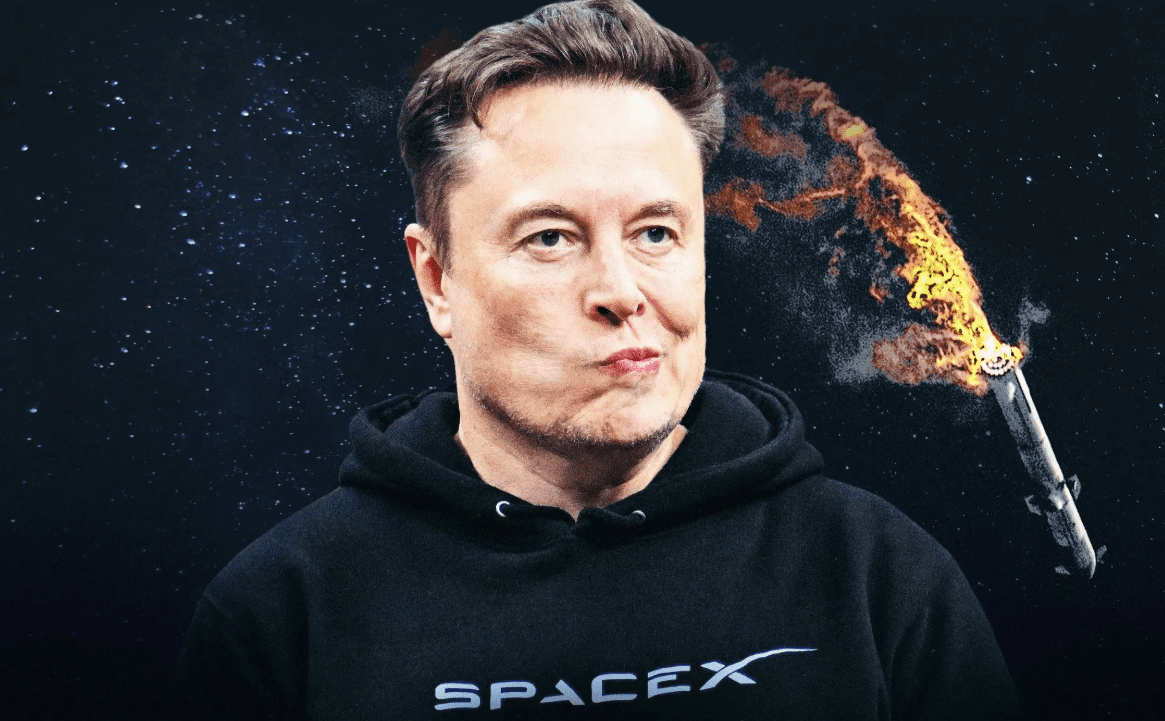
A new agreement between SpaceX and Anthropic marks a notable development in the global artificial intelligence race, as the two firms align on high-capacity computing infrastructure despite prior tensions involving Elon Musk and rival AI developers.
Background & Context
The partnership emerges amid intensifying competition in the artificial intelligence sector, where access to large-scale computing power has become a defining factor. Training and operating advanced AI models require vast data processing capabilities, often supported by specialized hardware such as high-performance graphics processing units (GPUs).
Anthropic, led by Dario Amodei, is one of several companies competing to develop next-generation AI systems. Its Claude platform is positioned as a major rival to tools developed by OpenAI and other technology firms. Meanwhile, Elon Musk—who co-founded OpenAI but later distanced himself—has become an increasingly prominent figure in the AI landscape through his ventures, including SpaceX and xAI.
The deal also comes against the backdrop of ongoing legal disputes between Musk and OpenAI, highlighting broader disagreements over the direction, governance, and commercialisation of AI technologies.
Key Developments
Under the agreement, Anthropic will gain access to significant computing resources housed within SpaceX’s “Colossus 1” facility in Tennessee. The infrastructure reportedly includes hundreds of thousands of advanced processors, providing substantial capacity to support the development and scaling of AI systems.
Anthropic has indicated that the additional computing power will enable expanded capabilities for its Claude platform, including enhanced performance for enterprise and developer applications. The company has also introduced new features aimed at improving AI autonomy and contextual learning, reflecting broader industry trends toward more advanced, agent-based systems.
Elon Musk stated that the agreement followed discussions with Anthropic leadership and expressed confidence in the company’s stated commitment to developing AI systems aligned with human interests. The collaboration represents a shift from earlier criticism Musk had directed at competing AI firms.
At the same time, tensions persist within the sector. Musk is currently engaged in legal action against OpenAI and its chief executive Sam Altman, alleging that the organization has deviated from its original nonprofit mission. OpenAI has rejected these claims, arguing that the lawsuit reflects competitive motivations linked to Musk’s own AI ventures.
Separately, recent agreements between the U.S. government and major technology firms—including Microsoft and Google—to test AI systems for security purposes have underscored the growing intersection between artificial intelligence and national policy. Anthropic was not included in some of these arrangements, highlighting competitive and regulatory dynamics within the industry.
Analysis & Implications
The SpaceX–Anthropic deal illustrates how control over computing infrastructure is becoming central to international technology competition and global innovation ecosystems. As AI systems grow more complex, partnerships that secure access to large-scale processing capacity are likely to shape the competitive landscape.
For U.S. policy, the development reflects broader efforts to maintain leadership in artificial intelligence amid rising global competition. The involvement of private companies in both commercial and government-linked AI initiatives also raises questions about regulation, security, and oversight.
Geopolitically, while the agreement is primarily commercial, it intersects with wider discussions around technological sovereignty, data control, and strategic industries. As AI capabilities expand, their implications extend beyond economics into national security and international relations.
The partnership may also influence investment trends, particularly as SpaceX reportedly explores future growth strategies, including capital-intensive projects such as space-based data infrastructure. Such initiatives, while still in early stages, point to the evolving scope of AI-related infrastructure.
Conclusion
The agreement between SpaceX and Anthropic underscores the increasing importance of infrastructure alliances in the artificial intelligence sector. As competition intensifies and regulatory scrutiny grows, collaborations of this kind are likely to play a central role in shaping both the technological and geopolitical dimensions of AI development in the years ahead.














Comments are closed.