
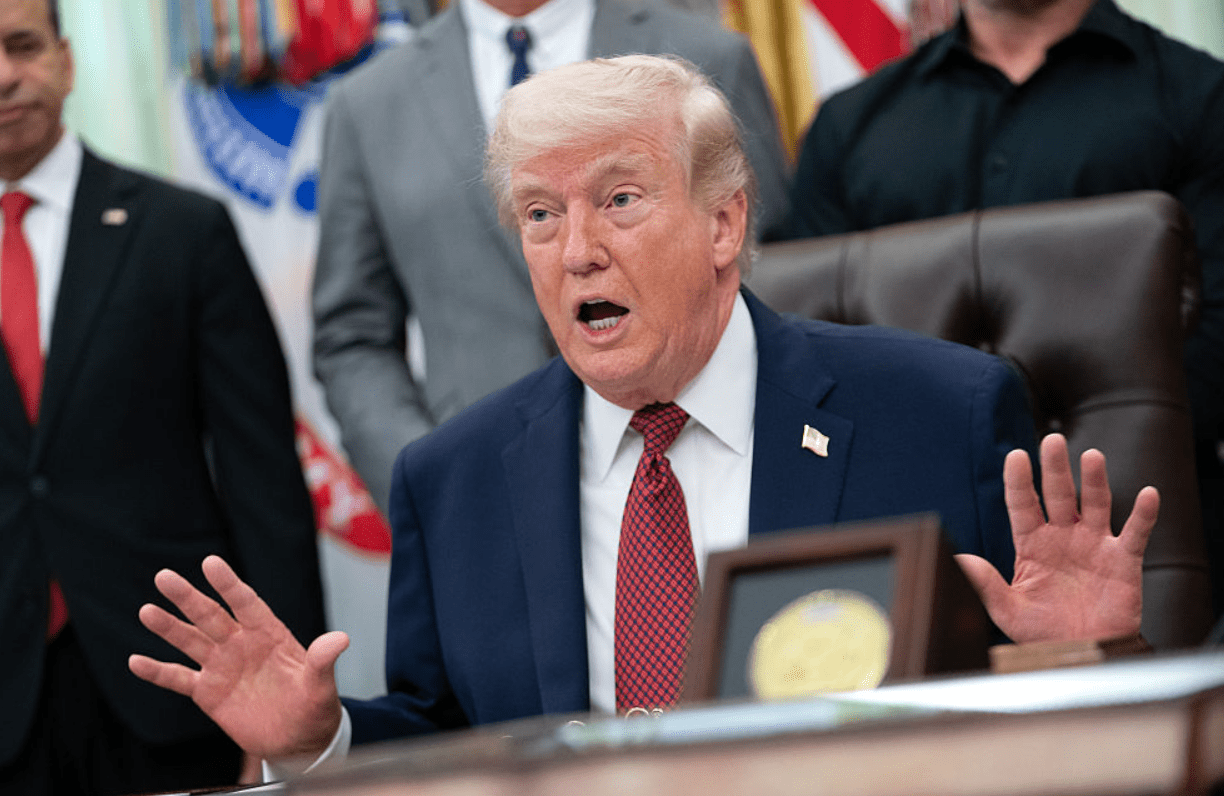
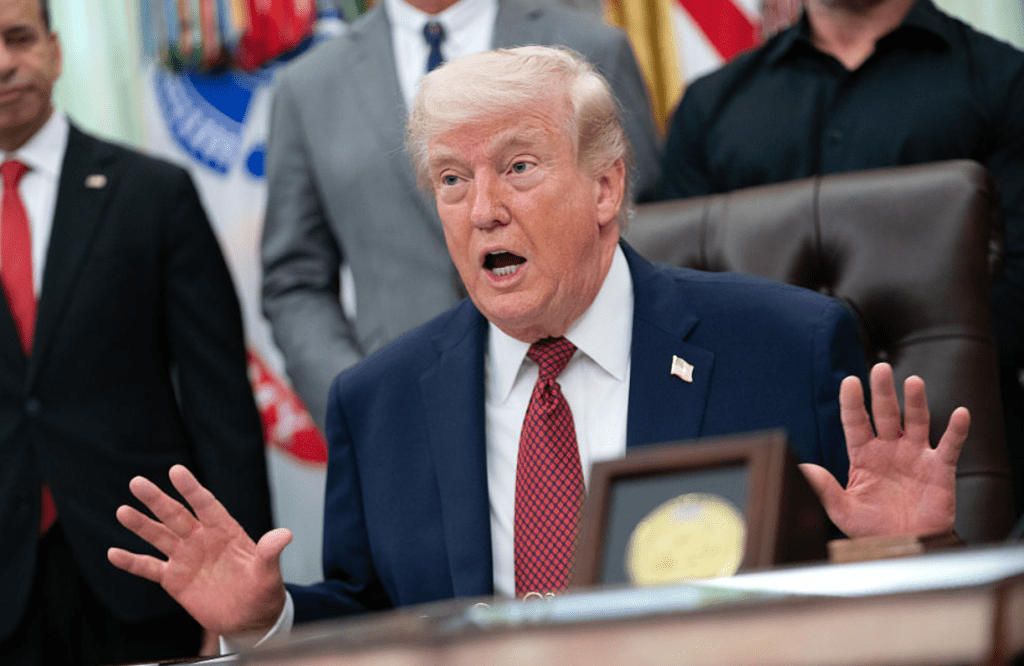
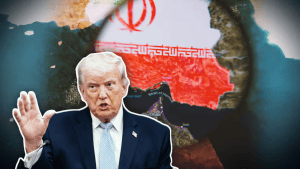
As tensions continue to simmer in the Middle East, a critical deadline is fast approaching for Donald Trump. While global attention remains fixed on the fragile ceasefire with Iran, a legal clock is ticking back in Washington. By May 1, the US president faces a pivotal decision that could reshape the course of the conflict.
At the center of this moment lies a powerful but often misunderstood law that limits presidential war authority. The question now is clear. Can Trump legally continue military operations against Iran without Congress?
Understanding the War Powers Act and Its Impact
The foundation of this debate is the War Powers Resolution of 1973. This federal law was designed to prevent unchecked presidential power in military conflicts.
Under its provisions, the president must notify Congress within 48 hours of deploying armed forces. More importantly, military engagement can only continue for 60 days without congressional approval. A further 30-day extension is possible, but only under strict conditions.
After that 90-day window, the law requires the president to end military involvement unless Congress authorizes continued action.
However, in practice, enforcement has always been complicated.
Trump’s May 1 Deadline Explained
The current conflict with Iran has pushed this legal framework into the spotlight. Trump now faces a May 1 deadline to secure approval from both chambers of Congress.
Without it, he is technically required to scale back or terminate US military operations.
Yet, the situation is far from straightforward. Congress remains deeply divided, making it uncertain whether any authorization will pass in time.
Political Divisions in Washington
The divide between Democrats and Republicans has made consensus difficult. Recent efforts to limit Trump’s war powers have failed, often along party lines.
While some Republicans support the president’s actions, others have raised concerns about a prolonged conflict. Meanwhile, Democrats have pushed for greater oversight and accountability.
As a result, the likelihood of swift congressional approval remains low.
Can Trump Continue the War Without Congress?
Despite legal restrictions, history suggests that presidents often find ways to continue military operations.
Alternative Legal Pathways
One key option is the Authorization for Use of Military Force, commonly known as AUMF. Originally passed after the September 11 attacks, it has been used by multiple administrations to justify military action in various regions.
Trump himself relied on this authorization during his first term. For instance, it was used to justify the 2020 killing of Iranian General Qassem Soleimani.
Therefore, it is possible that similar legal reasoning could be applied again.
Historical Precedents
Previous US presidents have also bypassed Congress in times of conflict:
- Bill Clinton authorized military action in the Balkans without explicit approval
- Barack Obama continued operations in Libya by redefining the nature of “hostilities”
These examples highlight a long-standing pattern. While the War Powers Act exists, its enforcement has often been challenged.
What Is Happening on the Ground?
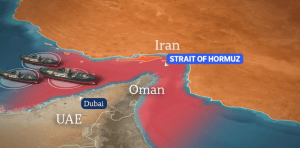
Although a ceasefire was announced, tensions remain high. Military activity has not fully stopped, particularly at sea.
Recent developments include:
- US forces intercepting Iranian vessels in key waterways
- Iran responding by seizing foreign ships
- Continued naval pressure in strategic regions
These actions suggest that the conflict is far from over. Instead, it appears to be shifting rather than ending.
Public Opinion and Political Pressure
Another critical factor is public sentiment. Reports indicate that the war is increasingly unpopular among American voters.
This creates additional pressure on the administration, especially with upcoming elections on the horizon.
For Trump, the situation presents a difficult balancing act. Ending the conflict could be seen as a political setback. However, continuing it without support risks further criticism.
Will Trump Escalate or Step Back?
Experts believe that Trump is unlikely to fully disengage. His political identity has often been tied to projecting strength and achieving decisive outcomes.
At the same time, prolonging the conflict could deepen domestic and international challenges.
This leaves several possible scenarios:
- Seeking delayed or partial congressional approval
- Relying on existing authorizations like AUMF
- Continuing limited operations while avoiding full escalation
Each option carries legal and political risks.
Why the War Powers Debate Matters
The current situation is not just about one conflict. It reflects a broader issue in US governance.
The balance of power between the president and Congress has long been contested. The War Powers Resolution was meant to clarify this balance, but decades of practice have blurred its limits.
As a result, the outcome of this situation could set an important precedent for future conflicts.
Conclusion: A Defining Moment for US War Authority
As the May 1 deadline approaches, the stakes could not be higher. The decision facing Donald Trump is not only about Iran but also about the limits of presidential power.
Will he seek congressional approval, find legal alternatives, or push the boundaries of existing laws?
One thing is certain. The coming days will play a crucial role in shaping both US foreign policy and the interpretation of war powers for years to come.














Comments are closed.