
Lead: Nuclear Science at the Center of a Geopolitical Crisis
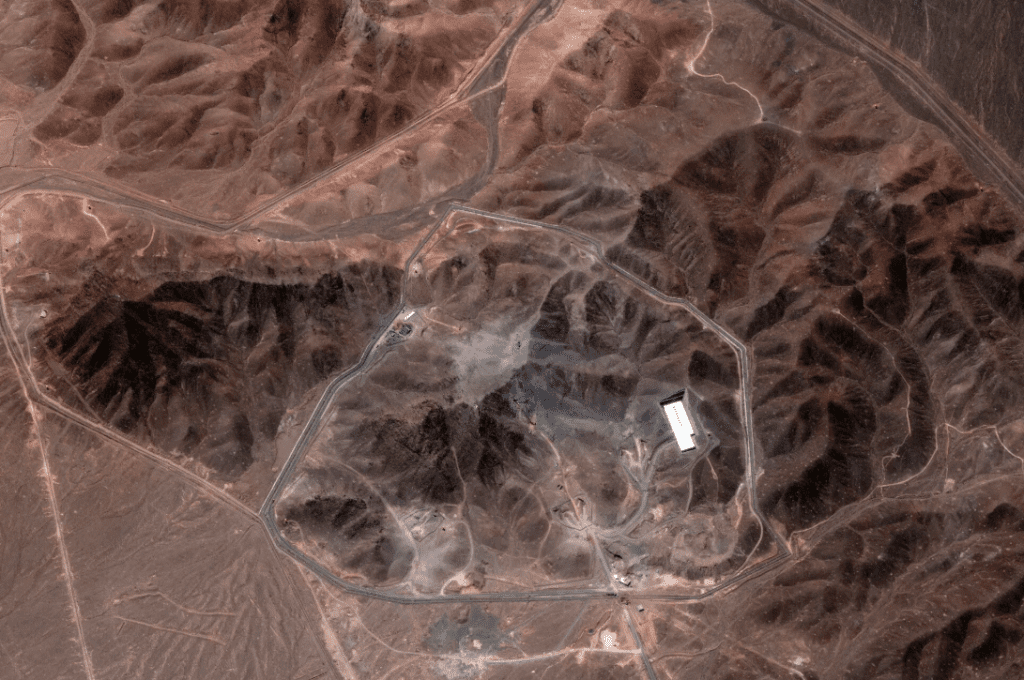
As tensions between the United States and Iran continue amid a fragile ceasefire extension, renewed attention has turned to Iran’s nuclear capabilities—particularly its stockpile of highly enriched uranium. Washington’s insistence that Tehran halt enrichment altogether remains one of the most contentious issues in stalled negotiations, while Iran maintains that its nuclear programme is strictly civilian. At the heart of the dispute lies a technical but politically decisive question: how uranium enrichment works, and how close it can bring a country to nuclear weapons capability.
Background: The Long Shadow of the JCPOA and Renewed Tensions
The current crisis cannot be separated from the collapse of the 2015 Joint Comprehensive Plan of Action (JCPOA), the landmark nuclear agreement between Iran and world powers. The deal placed strict limits on Iran’s enrichment levels—capping them at 3.67 percent in exchange for sanctions relief and international monitoring.
The United States withdrew from the agreement in 2018 under President Donald Trump, reimposing sanctions and triggering a gradual escalation in Iran’s enrichment activities. Since then, diplomatic efforts to revive the accord have repeatedly stalled, with disagreements over sequencing, sanctions relief, and verification mechanisms.
In the current round of tensions, Washington has demanded a complete halt to uranium enrichment, while Tehran argues it has a legal right under the Nuclear Non-Proliferation Treaty (NPT) to pursue peaceful nuclear energy development.
What Uranium Enrichment Means in Practice
Uranium is a naturally occurring heavy metal used as fuel in nuclear reactors. In its natural state, it contains mostly uranium-238, with a small fraction of uranium-235—the isotope capable of sustaining a nuclear chain reaction.
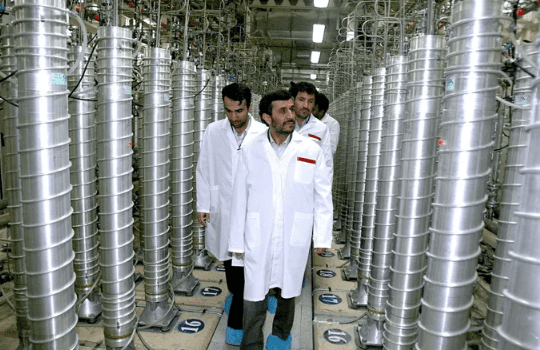
To be useful for either energy production or weapons development, uranium must be “enriched,” a process that increases the concentration of uranium-235. This is typically done using centrifuges that spin uranium gas at extremely high speeds, separating isotopes by weight.
Different enrichment levels determine its use:
- 3–5%: nuclear power generation
- Up to 20%: research and specialized reactors
- Above 20%: highly enriched uranium
- Around 90%: weapons-grade material
The technical threshold is central to current diplomatic disputes, particularly given allegations that Iran has accumulated uranium enriched up to 60 percent.
Key Technical Assessments and Timelines
Experts cited in recent analyses suggest that once uranium reaches higher enrichment levels, the process of reaching weapons-grade material becomes significantly faster.
According to assessments referenced in the debate, moving from natural uranium to intermediate levels can take years, but advancing from 60 percent to 90 percent enrichment may require weeks rather than months under certain conditions. However, these estimates depend heavily on centrifuge capacity, operational stability, and stockpile configuration—factors that remain partly undisclosed.
Iran is believed to operate advanced centrifuges alongside older models, with facilities dispersed across multiple sites. The physical scale of enrichment infrastructure is relatively small, making it difficult to verify capacity without continuous international inspection.
Iran’s Position: Civilian Use and Legal Rights
Iran has consistently maintained that its nuclear programme is peaceful, focused on energy production, medical isotopes, and scientific research. Under the NPT, signatories are permitted to enrich uranium for civilian purposes, provided they adhere to safeguards overseen by the International Atomic Energy Agency (IAEA).
Tehran has also pointed to its previous compliance under the JCPOA as evidence of its willingness to limit enrichment levels. Iranian officials argue that the U.S. withdrawal from the agreement undermined trust and removed the framework that previously constrained nuclear activity.
In current discussions, Iranian representatives have reportedly suggested reducing enrichment levels as a gesture of goodwill, though not eliminating enrichment entirely.
U.S. and Allied Concerns: Proliferation Risk and Regional Security
The United States and several allied governments argue that uranium enrichment beyond civilian thresholds increases proliferation risks, particularly when combined with advanced centrifuge technology and accumulated stockpiles.
A central concern is the so-called “breakout capability”—the time required to produce sufficient weapons-grade material if a political decision were made to do so. Even without immediate weaponization, advanced enrichment capacity is viewed by some policymakers as strategically significant.
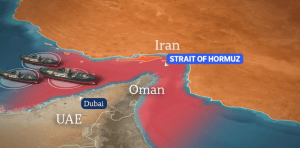
This concern is amplified by regional instability, including ongoing tensions involving Israel, Hezbollah, and maritime security in the Persian Gulf. Any perception of nuclear escalation could further destabilize an already volatile security environment.
The Nuclear Non-Proliferation Framework Under Strain
The Nuclear Non-Proliferation Treaty remains the cornerstone of global nuclear governance, but it faces increasing pressure. While it grants non-nuclear states the right to peaceful nuclear energy, it also imposes obligations to prevent diversion toward weapons development.
Critics argue that enforcement is uneven and politically influenced, particularly in regions where geopolitical rivalries dominate. Meanwhile, nuclear-armed states continue to modernize their arsenals, complicating efforts to strengthen global non-proliferation norms.
Strategic Implications: Diplomacy Under Pressure
The uranium enrichment issue sits at the core of the broader U.S.–Iran confrontation. For Washington, restricting enrichment is seen as essential to preventing future nuclear escalation. For Tehran, maintaining enrichment capability is tied to sovereignty, technological development, and deterrence.
This structural divide helps explain why negotiations remain stalled even during ceasefire extensions. Diplomatic efforts are effectively attempting to reconcile two incompatible strategic positions under conditions of mutual distrust.
Conclusion: A Scientific Process with Political Consequences
While uranium enrichment is a technical nuclear process, its implications are profoundly political. The debate over percentages and centrifuges has become a proxy for broader questions of security, sovereignty, and regional power balance.
As ceasefire arrangements remain fragile and negotiations continue without clear progress, the future of Iran’s nuclear programme will likely remain one of the most consequential variables shaping U.S. foreign policy and Middle East stability.
Whether diplomacy can re-establish a durable framework similar to the JCPOA—or whether the region moves toward further escalation—will depend on how this technical dispute is ultimately resolved.














Comments are closed.