
Inside the pay, pressure, and prestige of NASA’s most daring modern spaceflight
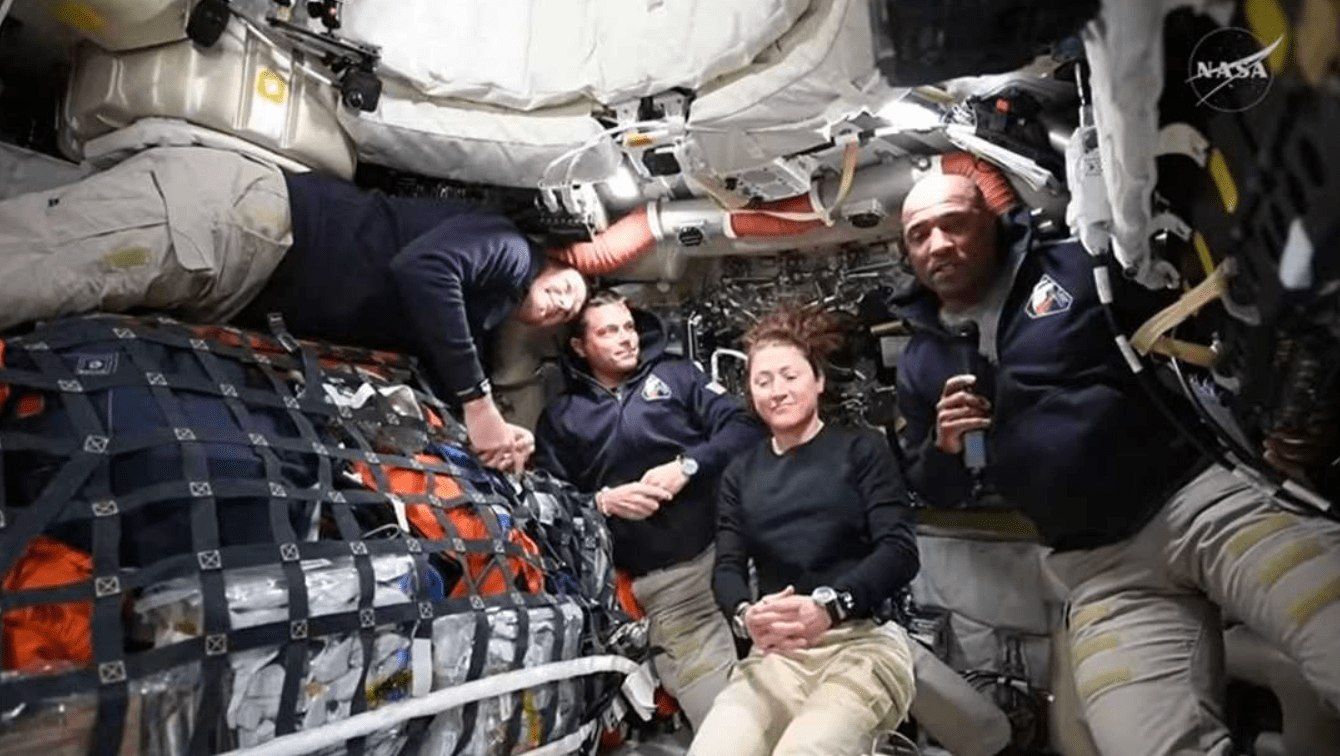
When humanity looks back at this decade, the Artemis II mission will stand out as a defining moment. Four astronauts have traveled farther than any humans in over 50 years. They ventured beyond Earth orbit, looped around the Moon, and reignited deep space exploration.
But while the world watches in awe, one question continues to spark curiosity. How much do these astronauts actually earn for risking their lives and making history?
Let’s break down the reality behind the paycheck, the preparation, and the prestige.
Meet the Artemis II Crew Making History
The Artemis II crew includes Reid Wiseman, Victor Glover, Christina Koch, and Jeremy Hansen.
Together, they launched aboard NASA’s Orion spacecraft on April 1, becoming the first humans to travel to the Moon since Apollo 17.
During their journey, they passed the Moon’s far side, temporarily losing communication with NASA for 40 minutes. Despite that tense moment, the mission has proceeded successfully and continues to capture global attention.
How Much Artemis II Astronauts Are Paid
Understanding the NASA Pay Scale
Despite the extraordinary nature of their work, astronauts are paid like other federal employees. NASA uses the General Schedule system, which determines salaries based on experience, education, and responsibility.
Most astronauts fall within the GS-13 to GS-14 range.
Here is what that means in practical terms:
- GS-13 salaries typically range from about $90,000 to $120,000 per year
- GS-14 salaries can reach up to around $150,000 annually
According to NASA’s latest available figures, the average astronaut salary is approximately $152,258 per year. However, this number is an estimate based on recent pay schedules.
Does Space Travel Increase Their Pay?
Surprisingly, astronauts do not receive massive bonuses for space missions. Their salary remains largely fixed under government pay rules.
This means:
- No special “Moon mission bonus”
- No guaranteed overtime pay for extended missions
- Limited public details about additional benefits
In other words, even while flying farther than any human in modern history, their compensation remains grounded.
Why the Salary Might Surprise You
At first glance, the salary may seem lower than expected. After all, these astronauts face extreme risks, long separations from family, and intense physical and psychological challenges.
However, the role offers something far beyond financial reward.
Prestige and Purpose
Working for NASA places astronauts among the most elite professionals in the world. They contribute to scientific discovery, technological advancement, and humanity’s future in space.
For many, that purpose outweighs the paycheck.
Extensive Training and Expertise
Astronauts must master a wide range of demanding skills. Training often takes years and includes:
- Advanced scientific and engineering knowledge
- Survival training in extreme environments
- SCUBA diving for spacewalk simulation
- Robotics and spacecraft systems
- Psychological endurance and teamwork
Facilities like the Johnson Space Center play a key role in preparing astronauts for these challenges.
The Technology Behind Artemis II’s Stunning Images
Beyond the human story, Artemis II is also a technological milestone. For the first time, modern digital imaging equipment has traveled this far into deep space.
Cameras on Board the Orion Spacecraft
The Orion capsule carries an impressive array of imaging tools:
- Professional DSLR cameras with wide-angle and zoom lenses
- Mirrorless cameras for high-quality stills
- Action cameras such as GoPros
- Smartphones, including the iPhone 17 Pro Max
In total, there are 32 cameras on board. Fifteen are mounted externally, while the rest are operated by the crew.
A New Era of Space Photography
These devices have already captured breathtaking views of the Moon, including detailed images of its far side. The mission marks a turning point in how space exploration is documented and shared with the public.
NASA plans to release more visuals, giving people unprecedented access to deep space imagery.
Risks, Rewards, and Reality of Space Exploration
While the Artemis II astronauts are making history, their journey highlights the balance between risk and reward in space exploration.
The Reality of Mission Challenges
Even with advanced technology, challenges remain. The temporary communication blackout during the Moon flyby serves as a reminder of how fragile space missions can be.
Astronauts must rely on their training, teamwork, and problem-solving skills in high-pressure situations.
Why People Still Dream of Becoming Astronauts
Despite modest pay compared to some private sector jobs, the role continues to attract top talent worldwide.
Why?
Because it offers:
- The chance to explore beyond Earth
- The opportunity to contribute to historic missions
- A career defined by purpose, not just profit
Conclusion: A Salary That Tells Only Part of the Story
The Artemis II astronauts may not earn millions, but their work carries immeasurable value. Their salaries reflect a structured government system, not the scale of their achievements.
As NASA pushes forward with future missions, including potential lunar landings and Mars exploration, these astronauts are laying the groundwork.
In the end, their compensation is only one piece of the story. What truly sets them apart is their courage, expertise, and willingness to go farther than anyone has in decades.
















Comments are closed.