
Governments around the world are rapidly tightening border controls and travel rules as fears grow over the latest Ebola outbreak spreading across Central and East Africa.
The outbreak, linked to the rare and highly dangerous Bundibugyo strain of Ebola, has already triggered emergency measures in multiple countries, including flight suspensions, entry bans, airport screenings, and quarantine protocols. While health authorities insist the global risk remains low for now, the speed of the outbreak has pushed officials into urgent action.
With hundreds of suspected cases reported and the World Health Organization warning that the epidemic is currently “outpacing” response efforts, international concern continues to rise.
Ebola Travel Restrictions Intensify Across Multiple Countries
The Democratic Republic of the Congo and Uganda remain at the center of the outbreak, prompting immediate regional restrictions designed to limit cross-border transmission.
According to the World Health Organization, the Democratic Republic of the Congo has recorded approximately 900 suspected cases and more than 220 suspected deaths linked to the Bundibugyo strain since the outbreak was officially declared on May 15, 2026.
Uganda has also confirmed several infections and at least one death connected to the virus.
Although WHO still considers the overall global risk low, the agency recently raised its national risk assessment for the DRC from high to very high. That change has encouraged governments worldwide to strengthen health measures at borders and airports.
What Is the Bundibugyo Strain of Ebola?
Unlike some previous Ebola outbreaks, this epidemic involves the Bundibugyo strain, often referred to as BVD.
The strain is relatively rare compared to the more widely known Zaire Ebola virus, but it remains highly dangerous and potentially fatal. Ebola spreads through direct contact with infected bodily fluids, contaminated surfaces, or close physical interaction with infected individuals.
Symptoms often include:
- Fever
- Severe weakness
- Vomiting
- Bleeding complications
- Muscle pain
- Headaches
- Gastrointestinal issues
Because the virus spreads through close contact rather than airborne transmission, health officials continue emphasizing the importance of screening, contact tracing, isolation measures, and rapid containment strategies.
Countries Imposing Ebola Travel Bans
Several governments have already implemented temporary travel bans or strict entry limitations targeting regions affected by the outbreak.
Canada Introduces 90 Day Entry Restrictions
Canada announced temporary restrictions affecting residents from the Democratic Republic of the Congo, Uganda, and South Sudan.
The measures block affected residents from entering Canada for 90 days. Canadian citizens and permanent residents returning from outbreak regions may also face mandatory 21-day quarantine requirements even if they show no symptoms.
The move marks one of the strictest international responses announced so far.
United States Expands Entry Controls
The United States has also intensified restrictions in recent days.
Officials previously banned non-citizens who had recently traveled to affected countries from entering the US. The Centers for Disease Control and Prevention later expanded those measures to include green card holders who recently visited outbreak zones.
American travelers returning from affected areas are now being directed through designated airports equipped with enhanced health screening systems, including:
- Washington Dulles International Airport
- Hartsfield-Jackson Atlanta International Airport
- George Bush Intercontinental Airport in Houston
Reports also suggest US health authorities may establish quarantine support operations in Kenya for high-risk American travelers exposed to the virus.
Bahamas, Jordan, and Bahrain Tighten Borders
The Bahamas announced immediate 30-day restrictions on travelers arriving from affected countries.
Meanwhile, Jordan suspended entry for arrivals from Uganda and the DRC, while Bahrain imposed temporary restrictions on travelers from Uganda, South Sudan, and the DRC.
Importantly, none of these countries have reported confirmed Ebola cases domestically.
African Nations Increase Regional Restrictions
Regional governments closest to the outbreak have introduced some of the strongest containment measures.
Uganda Suspends Flights and Border Crossings
Uganda has halted all direct flights to and from the Democratic Republic of the Congo.
Authorities also suspended bus and boat crossings between the two countries for four weeks. Weekly border markets have been paused as officials attempt to reduce human movement across high-risk zones.
However, freight transport and essential food supplies continue crossing borders to avoid major supply shortages.
DRC Suspends Flights to Bunia
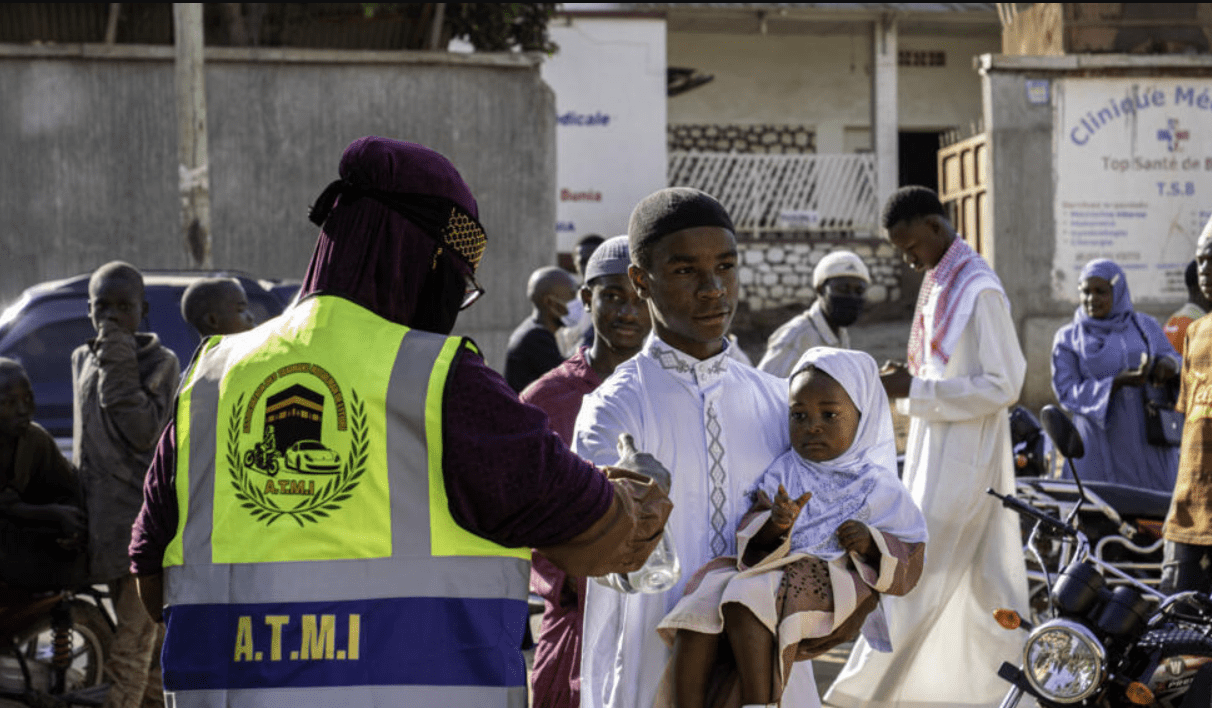
Inside the Democratic Republic of the Congo, authorities suspended flights to and from Bunia, one of the outbreak’s most heavily affected health zones.
Officials stated that humanitarian, emergency, and medical flights may still receive special approval under strict monitoring procedures.
The suspension reflects growing fears that transportation hubs could accelerate transmission if left unrestricted.
Airport Screening Expands Worldwide
Not every country has introduced outright travel bans. Several governments instead focused on increasing health screenings and monitoring systems at airports.
India Increases Screening Measures
India has strengthened health checks at major international airports while issuing travel advisories urging citizens to avoid visiting outbreak regions.
The country also postponed an India-Africa summit and canceled several international meetings connected to African partner nations as a precautionary measure.
Thailand and Mexico Introduce Enhanced Monitoring
Thailand announced that travelers arriving from Uganda and the DRC would only be allowed entry through Bangkok’s Suvarnabhumi Airport, where enhanced Ebola screening measures are now active.
Mexico has also increased airport monitoring procedures in response to the outbreak.
These measures reflect a broader global strategy focused on early detection rather than complete border shutdowns.
Can Ebola Travel Restrictions Stop the Outbreak?
Public health experts remain divided on how effective large-scale travel bans truly are during outbreaks.
The World Health Organization continues encouraging countries to prioritize targeted health screenings, contact tracing, and rapid isolation rather than fully closing borders.
The International Civil Aviation Organization also stated that international air travel remains safe when proper health protocols are followed.
Instead of widespread shutdowns, aviation authorities recommend “exit screening” at departure points in affected countries. This process checks passengers for symptoms before they board international flights.
Health officials argue this strategy can reduce disruption while still limiting transmission risks.
WHO Warns the Epidemic Is Moving Fast
Despite growing containment efforts, WHO Director-General Tedros Adhanom Ghebreyesus warned that delayed outbreak detection has complicated response operations.
According to Tedros, response teams are now “playing catch-up” against a rapidly expanding epidemic.
Authorities continue scaling up:
- Contact tracing
- Emergency treatment centers
- Community education campaigns
- Infection prevention systems
- Cross-border surveillance
Even so, officials remain cautiously optimistic.
Health experts note that previous Ebola outbreaks were eventually contained through aggressive monitoring, medical response coordination, and public awareness campaigns.
Is Air Travel Currently Safe?
For most travelers, international flights remain considered safe at this stage.
Health organizations continue stressing that Ebola does not spread through casual airborne exposure like influenza or COVID-19. Transmission generally requires direct physical contact with infected bodily fluids.
Airlines and airports worldwide are now following updated international health protocols introduced after the COVID-19 pandemic, including digital health monitoring systems and contactless screening procedures.
Still, travelers heading to or from affected regions are being advised to stay informed, monitor official health advisories, and avoid unnecessary travel to outbreak zones whenever possible.
Global Health Systems Face Another Critical Test
The latest Ebola outbreak is quickly becoming one of the most closely watched international health emergencies of 2026.
While the Bundibugyo strain remains geographically concentrated for now, the growing number of travel restrictions shows how seriously governments are treating the situation.
From airport screenings to border suspensions and quarantine measures, global authorities are racing to contain the virus before it spreads further internationally.
For now, health experts continue emphasizing vigilance rather than panic. However, with WHO warning that the outbreak is evolving rapidly, the coming weeks could prove critical in determining whether current Ebola travel restrictions are enough to stop the epidemic from expanding further.









Comments are closed.